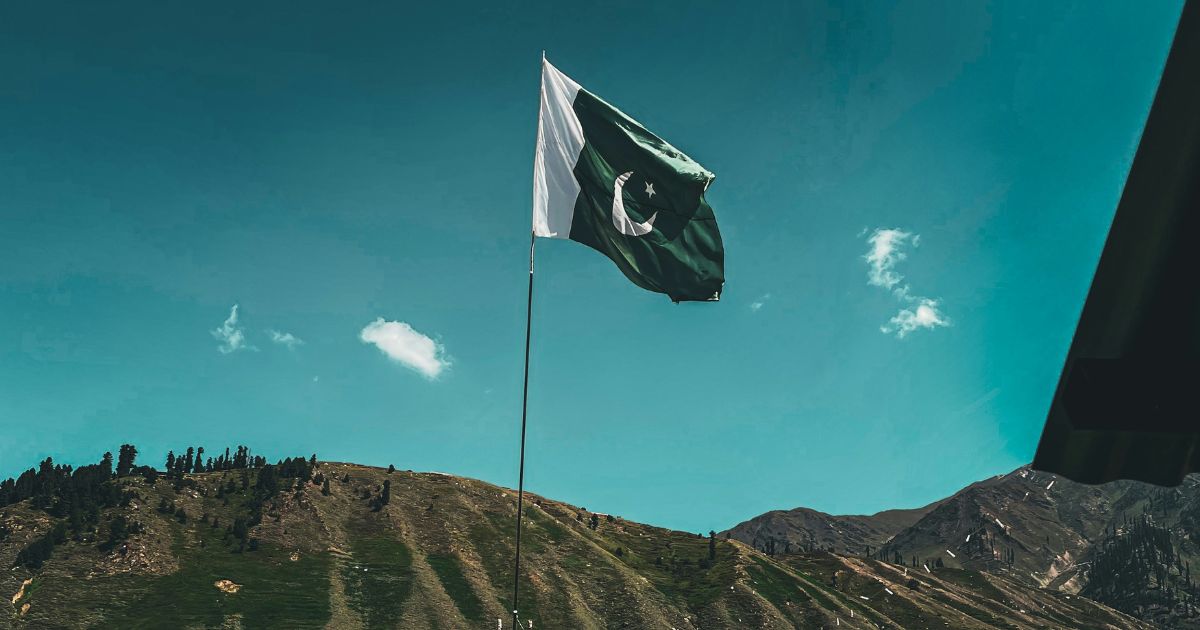
Inflation on consumer prices in Pakistan decreased to 5.6% annually in December, and prices declined in the month of December, according to official data released on 1st January.
The data follows after the State Bank of Pakistan (SBP) reduced its main policy rate by 50 basis points to 10.5% last month, the first time in four months this was done, and it was unexpected by markets. All those polled by Reuters had anticipated that the rates would be stable by the December gathering.
According to the official statistics, inflation softened to 6.1% in November and had a steep decrease compared with the previous rates that hit 30% in 2023.
The price of perishable food items continued to decline in the month, with the Pakistan Bureau of Statistics (PBS) saying that the urban and rural areas experienced a decline of 1.7 percent in December, with food prices declining the most.
On Wednesday, the finance ministry had indicated that inflation would be moderate at a level of 5.5-6.5% during December.
It has been reported by the SBP that inflation has maintained a range of 5-7% in the months of July-November, but core inflation is sticky, and headline inflation might increase temporarily towards the end of this fiscal year, which concludes in June, because of base effects.
Inflation of non-foodstuffs was also high in both urban and rural regions in December, which highlights that there were underlying price pressures.
The central bank has indicated that the outlook for inflation is not seriously changing, and the International Monetary Fund has warned that there should not be premature monetary easing through the loan programme of $7 billion.