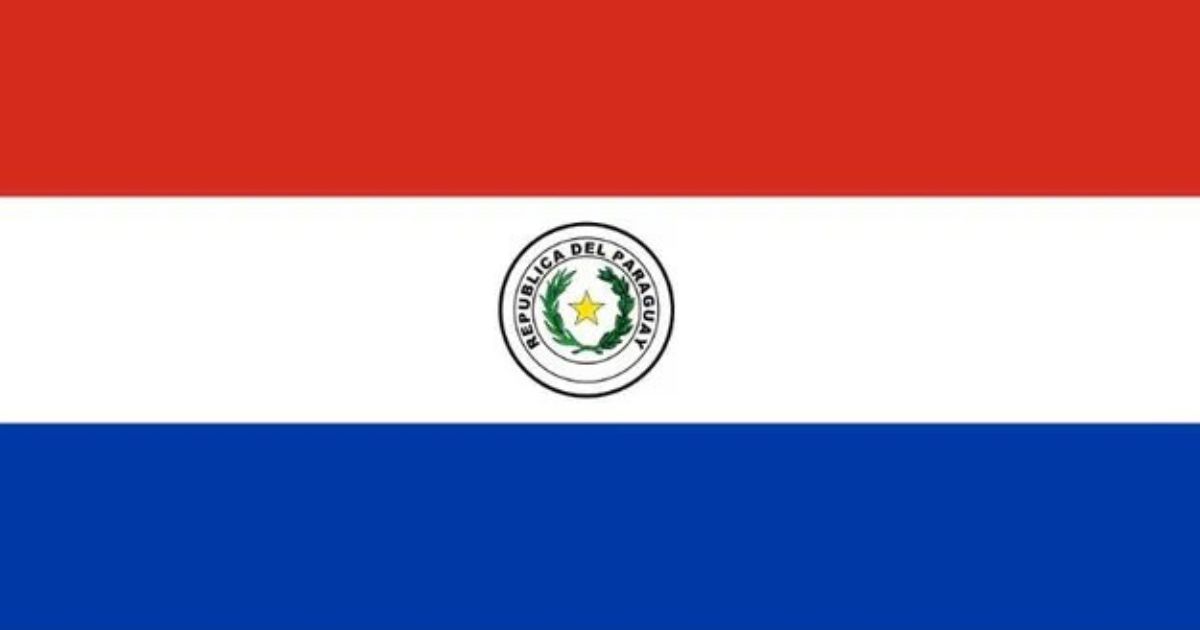
With the beginning of the new year, the cultural activity of Paraguay is again discovering their rhythm along the banks of rivers, historic places, libraries and community areas around the country. Art and heritage, as well as collective memory, keep people in touch with their lands and their common narratives through a multiplicity of programs that are facilitated by the National Secretariat of Culture (SNC).
The cultural season began at the Port of Asunacion, where Embarcate -Tardes Culturales en el Puerto came back with its inaugural issue of 2026. The historic port was turned into an outdoor meeting place featuring music, creativity and summer fun by the river on January 10 and received families and visitors throughout the afternoon and evening.
From afternoon onwards, a fair of art, design, crafts, gastronomy and local entrepreneurship welcomed people to have a glimpse of the Paraguayan creativity, in a free-flowing atmosphere, with the background of the Paraguay River at sunset.
Music was at the centre stage with El Barullo Festival, which also comprised six national bands who represented a broad spectrum of styles and generations. The open-air free event once more confirmed the port as a cultural interaction zone and the presence of citizens, but accompanied by the exhibition Del río las coronas, which gave the experience a visual arts touch. All these activities brought to the fore the importance of public spaces as places where culture is practised as a group.
In addition to capital, heritage work is also growing with the help of Tekorenda, which is a nationwide program aimed at the preservation and renewal of historical sites. By early 2026, there will be ongoing restoration and preservation projects in former railway stations, temples, cultural houses and corridors in cities like Areguá, Ybytymí, San Salvador de Guaira, San Pedro del Ycuamandiyu, Piribebuy, Isla Umbuy, Yaguaron and Asunacion.
These initiatives are an amalgamation of architectural conservation and social and educational aspects, and collaborate closely with communities to enhance the relationship between heritage, its everyday use and knowledge sharing.
Such a community-based strategy is also viewed in the programs that promote reading, writing, and oral traditions. The book Sooso in the Enlhet language in the Chaco region praises the art of narrating in storytelling, which has an origin in the collective memory and the daily experience.
The publication, which is supported by the SNC under the CONALIB Culture Funds, supports the Indigenous languages and provides more access to cultural material produced by and on behalf of Indigenous communities.
Education in heritage is also an important topic. A practical workshop in San Salvador on heritage asset registration asks people to understand how to record and document railway heritage, providing them with practical means of recognising and appreciating these sites as part of local history.
The project motivates both youths and the adult population to take direct involvement in the activities that preserve cultural memory.
Even the libraries are being reshaped to become cultural spaces. Reading is integrated with artistic, educational, and community-based experiences through such projects as Biblioteca Viva in the Popular Library El Cántaro.
During workshops and open activities, children and young people are invited to work with books using art, nature, movement, and imagination, changing the library into a collective participatory experience and their creative space.
Central to these efforts is the understanding that heritage does not just reside in buildings or archives, but instead exists in people. Narratives like the ones told by people living in Isla Umbu (they tell about their connection with the Church of San Atanasio) help us to remember that cultural sites are maintained by the memory, by the care, by the daily devotion.
Paraguay still uses festivals, restoration initiatives, books, workshops, and community stories to assert that culture is a living process – a place-based, people-based, and place-free process.