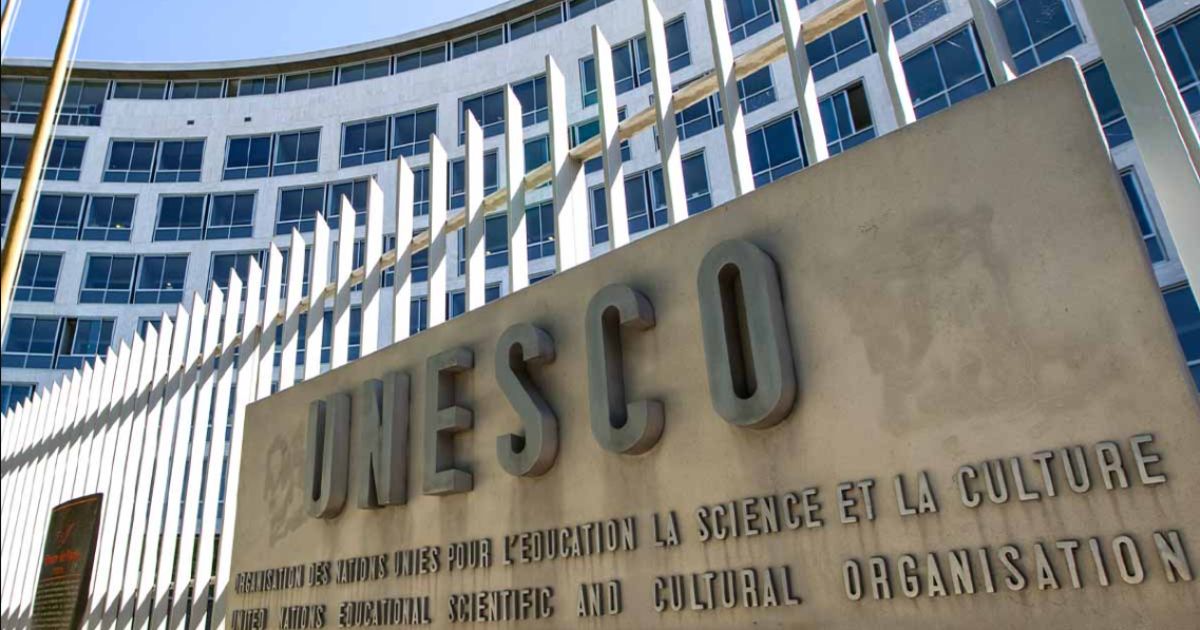
The Paraguayan government has formally made bids to have two of its most prized cultural traditions recognised and granted UNESCO heritage status. The National Secretariat of Culture declared the candidacies of chipa, a savoury bread of the traditional kind and of the tradition of making pesebre, or nativity scene. They are both to be included in the list of the Representative List of the Intangible Cultural Heritage of Humanity.
A historic nomination among multinationals
This nomination of the pesebre is a historic event for Paraguay. It is the first multinational entry of the country, and it was done along with Spain and Italy. This is also a co-op strategy, emphasising the common cultural origins and religious traditions that unite the three countries, especially during the Christmas season. The collective initiative will help to support the bid with the aim of showing the prevalence of the tradition in various countries and its long-term legacy.
Minister of Culture Adriana Ortiz highlighted the need for such initiatives in national pride as well as in cultural education. “The citizenry,” she said, “must appropriate its own living culture, and those who do not know it in this case must still learn in detail the richness of Paraguay.
The above statement by the minister highlights how the government feels that these international accolades can create a higher respect for local practices within the country and internationally.
UNESCO heritage status
The two candidacies emphasise some of the most significant but also different sides of life in Paraguay. Chipa is a favourite dish, a cheese and cornflour bread that is a regular part of life and particularly noticeable, especially during religious holidays such as Holy Week. The process of its preparation is frequently a family process, and recipes and techniques are passed down by generations. The status of UNESCO would be honouring the gastronomic art and socialising that comes with this food.
The culture of the pesebre is one of the major parts of Christmas celebrations in the country. Families carefully make detailed nativity scenes at home and in the open area, and usually use the local flora and art. It is not just a decoration and a deep faith and community practice, which unite people together to experience the festive spirit.
Advancement in other cultural directions
Another cultural achievement that was celebrated at the meeting was the others. People recognised the recent recognition of the art of Ñai’ũpo (a traditional form of pottery art) by UNESCO on its List of Urgent Safeguarding. This identification is critical in avoiding the extinction of the craft. There were a number of artisans to represent their communities, and they included Vicenta Rodriguez, Elena Dielma of the Kambuchi Apo, and Leidy Esquivel of the San Rafael Association of Tobatí.
Moreover, the executive report was introduced on the safeguarding plan of the Poncho Para’i de 60 Listas, which is a very elaborate and culturally handcrafted poncho. It has also been observed that the nomination of the Frazada de Trapo (rag blanket) has gone a long way. These initiatives reveal an all-inclusive plan to preserve the various artisanal heritages in Paraguay.
A wider cultural promotion
In addition to the UNESCO bids, the National Commission of the Commemoration of the National Year of Guarania gave its report for 2025. This is a body that works under the Ministry of Culture and outlined a programme of 150 cultural events that would be held in Paraguay and also abroad.
The UNESCO Representative List of the Intangible Cultural Heritage of Humanity, which was created in 2003, is dedicated to the idea of the preservation of significant traditions, oral expressions, performing arts, social activities, rituals, and craftsmanship all over the world. Being included in this list not only gives it international prestige but also contributes by mobilising resources and focusing on the preservation of such cultural practices to ensure that future generations get the same.