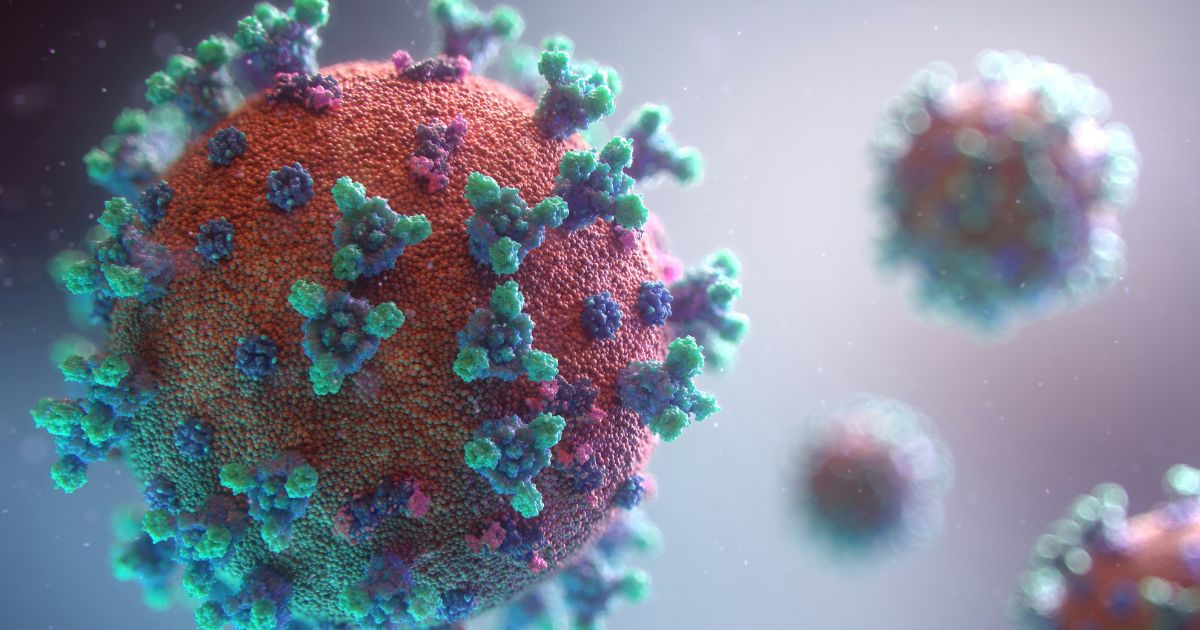
The Nipah virus is a deadly virus that has claimed many lives, and the authorities in Pakistan have ordered to screen people entering the country more closely for signs of infection to curb the spread of the disease, as India has confirmed two cases, which have also increased the number of Asian countries that have heightened their controls.
Thailand, Singapore, Hong Kong, Malaysia, Indonesia and Vietnam have also increased screening in the airports. Yet one Indian official said that there were no intentions to implement screening at the airports and said that there was no indication of any outbreak.
The Nipah virus has a high death rate and is able to cause brain inflammation and fever. There is also no vaccine. Person-to-person transmission is not an easy task and might usually take a long period of contact with an infected person.
PAKISTAN WANTS TRANSIT HISTORY
The Border Health Services department said in a statement that it had become swift to “intensify the prevention and surveillance” of the borders of Pakistan.
The department added that all travellers will have their” thermal screening and clinical check at the Point of Entry,” which includes seaports, land borders and airports.
The agency advised that travellers would be required to “submit a transit history of the last 21 days” to determine whether they had been in an area that had been under the monitoring of the Nipah or under the threat.
Direct flights are not available between Pakistan and India, and the movement between the two is very low, especially after their worst fighting in decades broke out last May.
On Wednesday, the health department of the Vietnamese capital Hanoi also mandated the screening of incoming passengers at Noi Bai airport, especially those arriving and those who had an Indian or the eastern state of West Bengal descent, because two health workers were confirmed to have the virus in late December.
Body temperature scanners will be used on the passengers.
The department said in a statement that this will enable timely isolation and epidemiological investigation.
This is after authorities in Ho Chi Minh City, the largest city in Vietnam, reported that they had tightened health-related restrictions at crossings of the international borders.
HIGH FATALITY RATE
Nipah is an uncommon viral disease that is transmitted extensively by infected animals, primarily fruit bats, to human beings. According to the World Health Organisation, it may be asymptomatic but may be very dangerous, where the case fatality rate is 40 to 75 per cent, depending on the ability of the local healthcare system to detect and treat it.
The first outbreak of the virus was a little more than 25 years ago in an outbreak of pig farmers in Malaysia and Singapore, but scientists think that the virus has been present in flying foxes, or fruit bats, for thousands of years.
The Nipah is considered by the WHO as a priority pathogen. India also records occasional cases of infection, especially in the southern state of Kerala, which is considered to be one of the riskiest areas in the world regarding Nipah.
According to the Coalition for Epidemic Preparedness Innovations, which is contributing to the development of a vaccine trial in order to help prevent Nipah, 750 Nipah infections have been confirmed across the world, including 415 fatalities, as of December 2025.