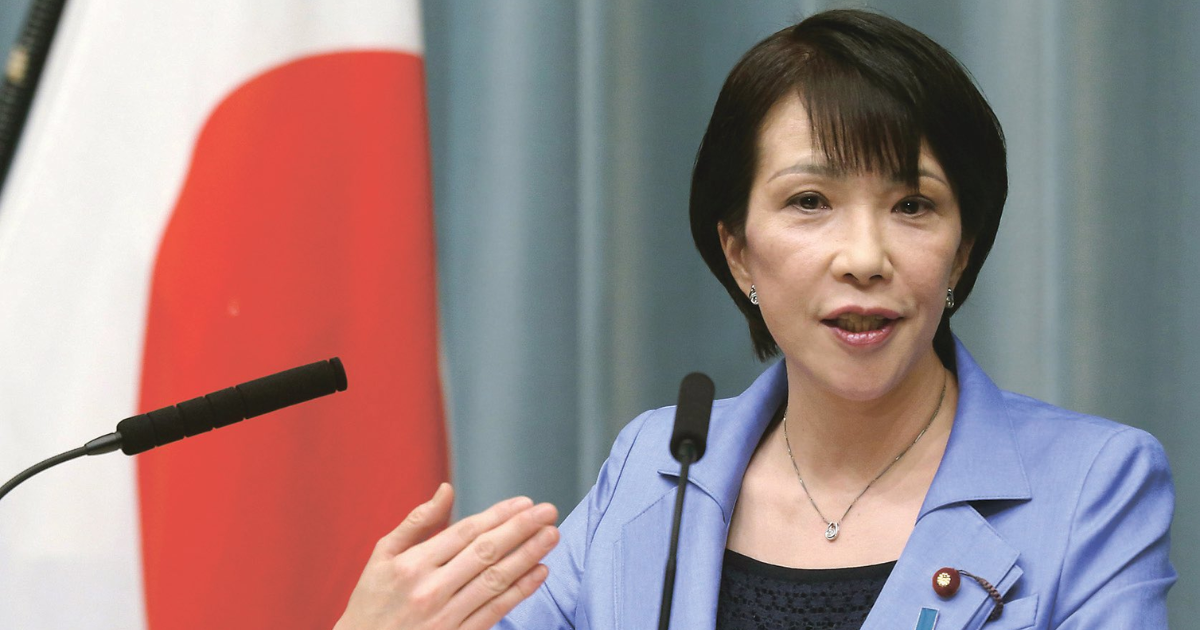
Japan’s Prime Minister Sanae Takaichi dissolved the country’s lower house of parliament on Friday. She has called a snap general election for February 8. Takaichi said she wants public support for her economic and security plans.
The move has started a short election campaign. Both the ruling party and the opposition are talking about cutting or removing the tax on food to help families struggling with rising prices.
Takaichi’s ruling alliance hopes to win a majority in the lower house. However, there are worries that some voters from her party’s former coalition partner may support a new opposition group. Her cabinet approved the dissolution of the 465-seat house on Friday morning. While prime ministers can dissolve parliament, this is the first time it has happened at the start of a regular session in 60 years.
Takaichi became prime minister in October. She said she has not yet received a clear public mandate. Her party, the Liberal Democratic Party, formed a new coalition with the Japan Innovation Party the same month.
The election will also include candidates from a new opposition alliance. This group was formed by the Constitutional Democratic Party of Japan and Komeito, which was the LDP’s coalition partner for 26 years.
Later on Friday, Takaichi said voters should judge her major policy plans directly. These include her budget approach and policies agreed with her coalition partner. She also apologised to people in heavy-snow areas for holding an election in February. She said the government will try to reduce inconvenience. Takaichi urged students to vote, even as university entrance exams are underway. In Japan, people aged 18 and above can vote.
During the campaign, tax policy is expected to be a key issue. The ruling bloc is considering suspending food taxes, while the opposition wants to remove them completely. How to replace lost tax income will be a major question. Other issues likely to be discussed include political funding scandals, foreign residents, and tourism.
Although Takaichi’s cabinet has strong public support, her coalition holds only a narrow majority in the lower house. It is also a minority in the upper house, which makes passing laws harder.
Experts say the exit of Komeito from the coalition could hurt the LDP badly. Komeito is known for bringing in large numbers of votes in each district.
Many are watching to see if the new opposition alliance can attract voters from Komeito’s support base, which is backed by a large Buddhist organisation.
Some LDP members are worried about fighting the election without Komeito’s support. One senior lawmaker said the impact is difficult to predict.
However, LDP Secretary General Shunichi Suzuki said long-standing local ties may still help candidates work together at the regional level.
The Japanese Communist Party has said it will not support the new opposition alliance.
Takaichi has faced criticism for setting the election just 16 days after dissolving parliament. Critics say voters do not have enough time to compare policies.
Opposition parties have also criticised her for calling an election before passing the budget for the next financial year.
This is the first lower house dissolution at the start of a regular session since 1966. It is also the first February election since 1990.