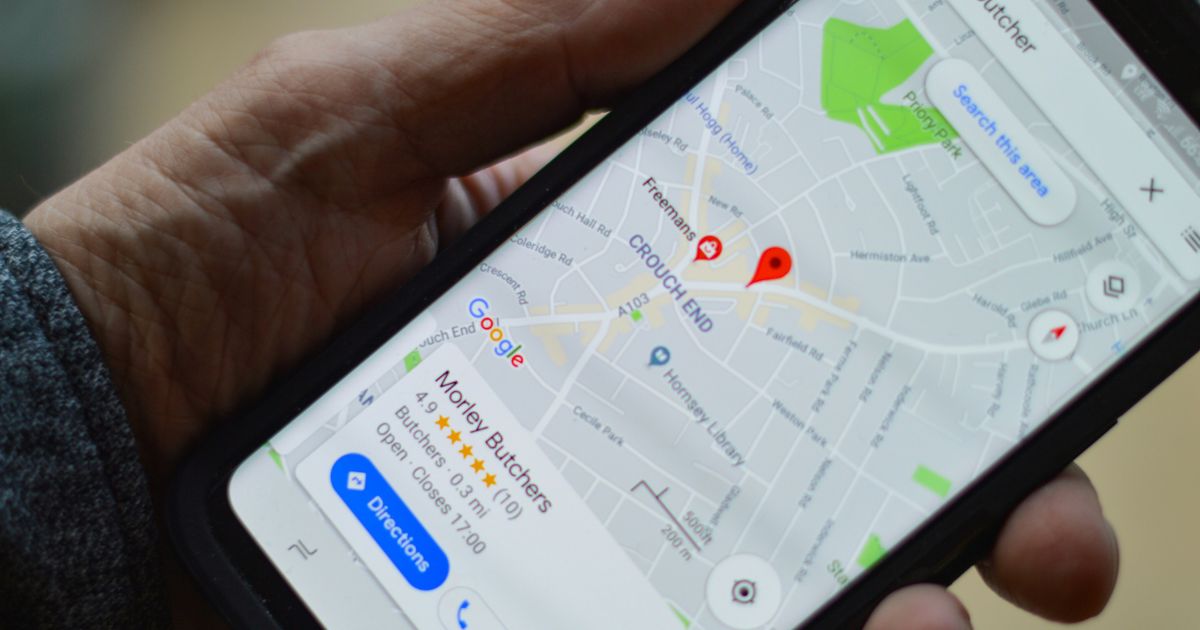
The Indian government is considering a plan that may force smartphone manufacturers to ensure that their location tracking systems that use satellites are continuously on, an act which has attracted a lot of criticism among the top technology players such as Apple, Google, and Samsung. The telecom operator supported proposal has led to a new wave of debate that cuts across the nation, on the issue of digital privacy, surveillance rights, and individual rights.
This new controversy is months after the government was compelled to rescind an order, which would have compelled smartphone manufacturers to install a cyber safety application run by the state onto every gadget. This ruling came after privacy advocates, civil rights actors and opposition leaders had issued serious threats against the similarity of the app enabling people to monitor citizens without restriction.
In India, it is possible to find that even today the Indian law enforcement agencies can get location information through the telecom companies by using signals of mobile towers. The approach offers a rough riding point and may also be off by a few metres, which the government feels restricts the performance of criminal probes and national security services. To enhance accuracy, the Cellular Operators Association of India that represents Reliance Jio and Bharti Airtel has suggested that Assisted GPS (A-GPS) should be permanently enabled on every smartphone.
A-GPS utilises the use of satellite signals along with mobile network information in order to determine the location of a device with an extraordinary level of precision at times as low as a single metre. Nevertheless, the proposal would eliminate the option of turning off the location services of the user. This has raised the concerns of smart phone makers and industry associations. The India Cellular and Electronics Association in a secret letter to the government cautioned that such a rule would amount to an overreach of the regulatory powers and may pose grave legal, privacy and national security challenges.
Industry players have emphasized that among smartphone users are those judges, journalists, military industry, diplomats and company executives who deal with sensitive data. Constant tracking of location, claiming, will subject them to hacking, stalking, and spying by other countries. Technology specialists have also complained. The proposal was described by digital forensics expert Junade Ali as making personal phones surveillance devices.
There is also an escalation between telecommunication companies and phone manufacturing companies regarding user warnings. Telecom companies have lamented that pop-up messages warning users that their carrier is accessing their location information may raise the awareness of investigation targets. They have called on the government to deactivate these warnings, and tech companies believe that user consent and transparency are the basis of digital safety.
The country is now the second-largest smartphone market in the world, with approximately 735 million phones in the country as of mid-2025. Over 95% of them operate on the Android operating system developed by Google and the rest of the users use the iOS of Apple.
At this point, the proposal is still under consideration by both the IT and home ministries and no definitive ruling has been arrived at. Any decision, nevertheless, is likely to cause significant consequences in the area of privacy rights and online governance in India.