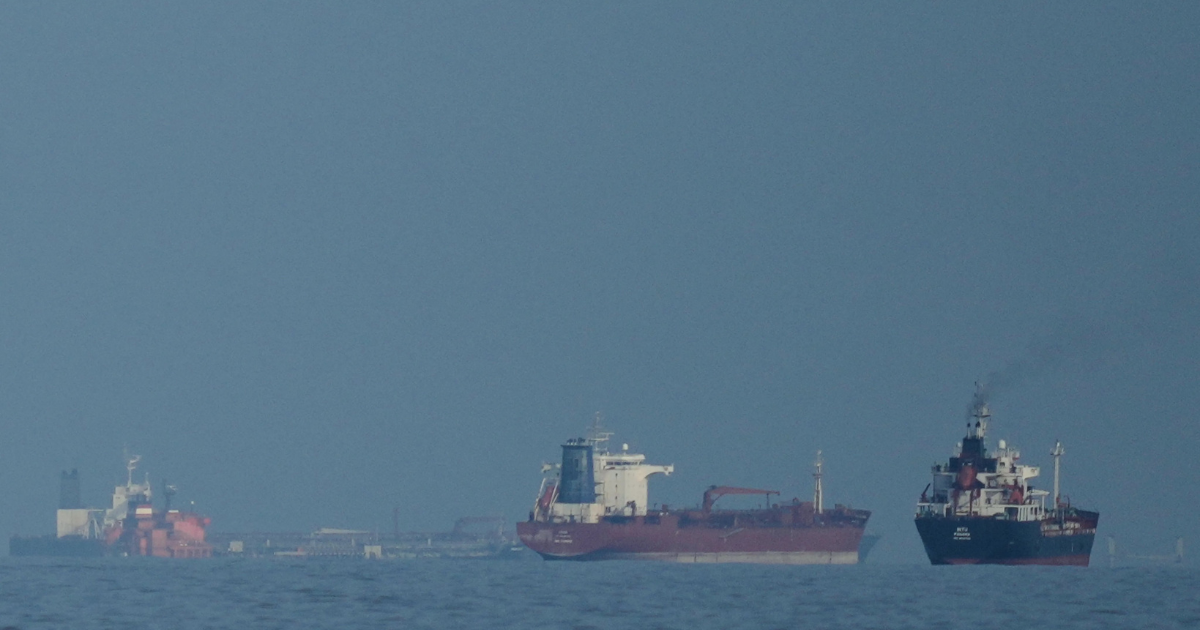
The global energy markets faced an enormous disturbance this week after U.S. President Donald Trump delivered a television speech which included a strong warning against Iran. The President declared during his White House broadcast that he would launch severe attacks against the nation during the upcoming weeks.
The international community saw their hopes for an upcoming Middle Eastern conflict resolution dashed by his change to harsher speaking. The financial markets throughout the world declined at high speed while energy commodities faced sudden, large price increases which showed extreme market worries about future supply chain instability.
Brent Crude Reverses Previous Declines
The international benchmark for oil prices reacted violently to the latest geopolitical developments. Brent crude prices surged by as much as 8% during Thursday’s trading sessions, reaching a staggering $109.74 a barrel.
The market experienced an abrupt increase in prices which destroyed the temporary market confidence that had emerged one day before. On Wednesday, fleeting hopes of diplomatic resolutions had temporarily pushed the international benchmark below the critical $100-a-barrel threshold. Traders assessed the extended dangerous situation because international energy authorities like the International Energy Agency had issued new operational guidelines for monitoring energy operations.
The global economic situation now experiences its most extreme fluctuations because economic conditions have turned extremely unstable. Energy markets maintain their high sensitivity because U.S. Department of Defense military operations create operational hazards that affect both vital infrastructure sites and critical maritime shipping routes.
U.S. Oil Markets Experience Double-Digit Spikes
The economic consequences for the United States extended beyond international oil benchmarks because domestic American oil production faced extreme cost increases after the President’s speech. The primary U.S. crude oil grade reached double-digit price growth which resulted in West Texas Intermediate (WTI) experiencing an enormous price increase.
The WTI price increased by 11% to reach a final value of $111.60 per barrel. The energy industry achieved an important milestone because U.S. crude oil prices reached their first $110 level since March 9. The U.S. Energy Information Administration tracks these domestic price standards which affect gasoline prices and consumer product prices throughout the United States.
The steep rise in energy prices is creating economic challenges which affect multiple industries. The U.S. Department of the Treasury and other federal agencies monitor the cascading impacts of price increases because rising fuel costs create threats to overall inflation and contribute to instability in international financial markets.