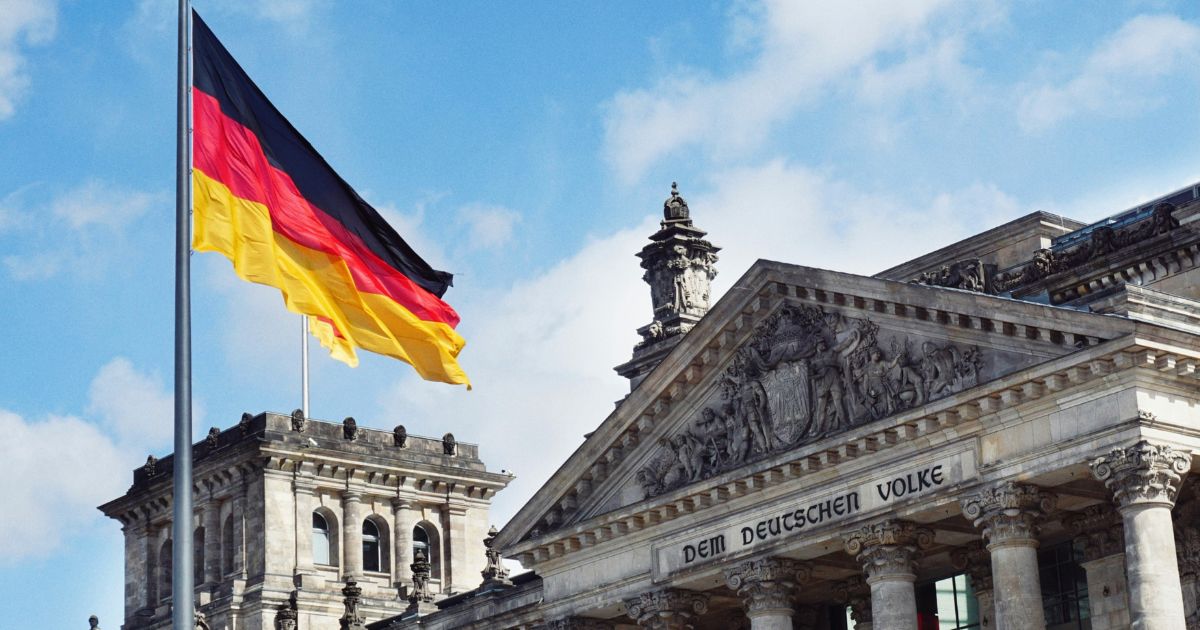
This year, the German economy is projected to stand still following two years of decline, and the German Chamber of Commerce (DIHK) forecasted a sluggish growth of 0.7 percent in 2026.
Its forecasts were also lower than the government forecasts that expect 0.2 this year and 1.3 next year.
German Chancellor Friedrich Merz came to power in May with a promise that he would turn around growth in the already largest economy in Europe, which is stuck with rising energy prices, low global demand, realignments in environmental issues, and increased competition with China.
“Nevertheless, the desired turnaround has not come to fruition, and the economy is sitting in stasis,” DIHK said.
The state of affairs has not gotten any better during the summer months; on the contrary, the situation has become somewhat worse again, at least according to DIHK director general Helena Melnikov, who presented the forecasts in Berlin.
A survey of 23,000 firms conducted by DIHK found that only 15 percent of companies believe that the economic situation will improve in the next twelve months, and only one in four thinks that the situation will get worse.
Melnikov said that the government has the right issues, yet it has not come up with the required punch.
Companies are becoming increasingly wary: a fifth of them are planning to invest more, and a third are planning to reduce it.
“The corporate investment remains approximately 10% lower than it was before the crisis five years later,” Melnikov said. That is an alarm signal since 85 percent of the annual investment in Germany is through the private sector.
The job market is also performing badly: 1 in every 4 businesses is intending to reduce the number of employees, and 11 percent are intending to hire more employees. The highest percentage of business risks was listed at 56 percent on labour costs.
The effect of rising social contributions and the recent upsurge of the minimum wage, which Melnikov notes, is being felt particularly in labour-intensive industries like hospitality.
The survey indicated that 58 percent of the companies interviewed felt that weak domestic demand was a heavy burden, and 57 percent of the companies evaluated the economic policy environment as a risk to the business.