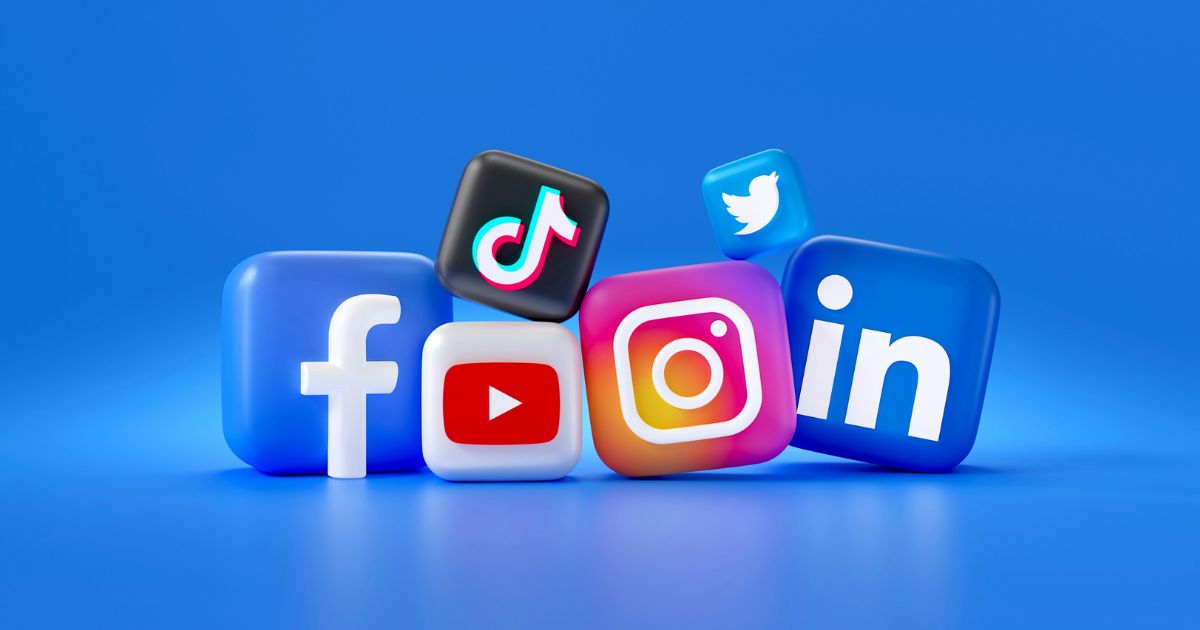
In Gabon, Facebook and TikTok have indefinitely blocked communications following the claims of the Central African media regulation that social media platforms publish content that promotes conflict and division in society.
On 18th February, the AFP news agency said that the two social media sites were not accessible in Gabon anymore. It was not immediately evident whether other platforms were still in existence or not.
On Tuesday, the media regulator of Gabon announced the suspensions due to the danger of excesses that could lead to conflicts. It has not mentioned any social media that was to be included in the ban.
This was determined against the background of a social uproar where teachers were on strike and other civil servants threatening to go on strike less than a year down the road since President Brice Oligui Nguema took over the presidency.
In December, teachers started striking on the basis of pay and conditions, and similar demands have since been protested in other sectors of the population, such as health, higher education and broadcasting.
Its spokesman, Jean-Claude Mendome, announced in a televised statement that “the High Authority of Communication ordered the social media to be suspended immediately in Gabon.”
According to him, “improper, defamatory, hate and insulting material was compromising human dignity, societal morality, the honour of citizens, social integrity, the stability of the republican institutions and national security.”
The spokesman also mentioned “the dissemination of fake information, cyberbullying, and unauthorised transfer of personal data as the causes of the decision.”
Since freedom of expression was guaranteed in Gabon, Mendome said that “this could not be practiced in flagrant disregard of the national and international laws that were in operation.”
Such acts are probable, as in the instance of Gabon, to create social conflict, disturb the institutions of the republic and put national unity, democratic development and success under a grave threat.
A military coup removed the president, Ali Bongo Ondimba, in August 2023. It was among the numerous ones on the west coast of Africa in recent years, among others in Mali, Niger and Burkina Faso.
In November, the media regulator of Mali banned French stations LCI and TF1 on allegations of broadcasting fake news regarding a fuel blockade by an al-Qaeda-linked armed organisation.