Ethiopia perhaps has no place as closely related to coffee as it is. It is the birth of coffee, the cradle on which Kaldi and his goats were known to receive their initial caffeine rush. Gesha was provided to the world by Ethiopia. And even 12 centuries later, with the initial finding, Ethiopia still continues to produce some of the most popular coffees in the whole world.
The Ethiopian coffee ceremony is nearly as ancient as coffee itself. It can be traced to the ninth century and more than 1,000 years has been associated with Ethiopian hospitality and culture. The country is now bidding to get it recognised by UNESCO.
According to Qahwa World, this call to be recognised is a part of Ethiopian Coffee Culture Day 2026. The event, organised in Addis Ababa, was developed by Warka Coffee, and the major goal was to highlight that the Ethiopian coffee ceremony was declared Intangible Cultural Heritage by UNESCO.
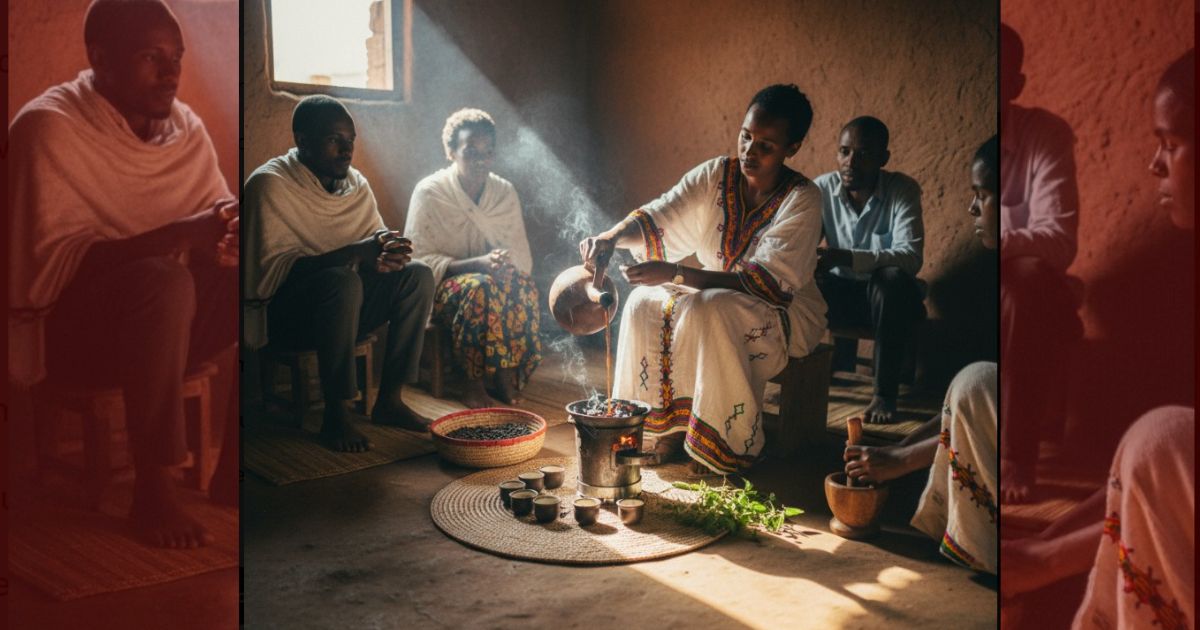
The Ethiopian coffee ritual is heavily showcased by women who will roast and grind coffee for the visitors and will brew it three times in a jebena. This service is still present to date, both in the country and throughout the world, as numerous coffee shops and restaurants that are Ethiopian-oriented provide people with a chance to participate in the ceremony.
By attaining the status of a UNESCO Heritage, Worka CEO and its founder, Seada Mustefa, expects not only to emphasise the role of the coffee ceremony but also to establish Ethiopia in the world coffee network. It aims at providing coffee not as a commodity but as a medium of culture.
In case of success, the coffee ceremony of Ethiopia would become part of the Turkish coffee as a UNESCO intangible cultural heritage. An attempt to get espresso recognised was made in 2022 by Italy, but the bid failed to be formalised, instead pushing for the inclusion of opera, which succeeded in making the list in 2023.
It may require years for the whole approval process, and it is difficult to imagine that the Ethiopian coffee ceremony will fail the cut. It is as old as coffee itself, and perhaps no other process reflects the entire history of the most popular beverage in the world.