Iran on 25th March rejected an American proposal to stop the war in the Middle East and continued to attack Israel and Gulf Arab countries, including an attack that resulted in a huge fire at Kuwait International Airport.
Iran’s decision to attack Israel and Gulf Arab countries comes at a time when Israel is conducting airstrikes against Iran and when the United States is deploying paratroopers and more Marines to the region.
Iran’s foreign minister says that they have no plan to negotiate to stop the war.
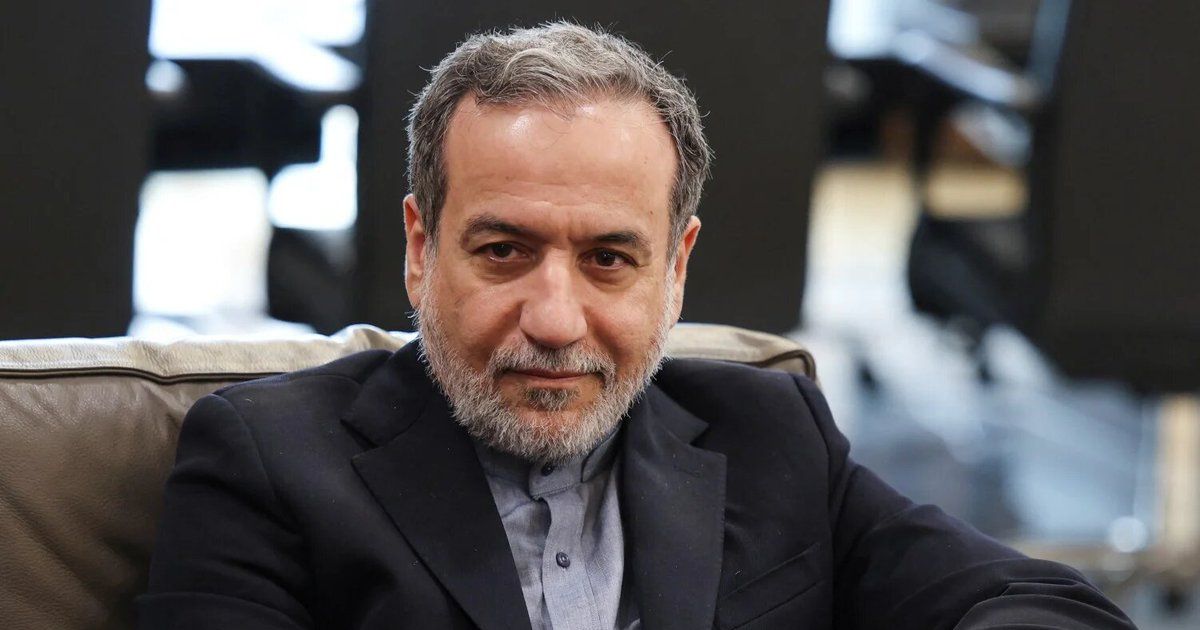
Speaking to Iranian state television, Iranian Foreign Minister Abbas Araghchi said, “We have not conducted any negotiations to stop the war, and we do not plan on any negotiations.”
Earlier, two officials from Pakistan, who delivered the U.S. plan to Iran, indicated that the plan was a 15-point proposal that included sanctions relief, rolling back Iran’s nuclear program, limiting its missile capabilities, and reopening the Strait of Hormuz, through which a fifth of the world’s oil exports pass.
According to an Egyptian official who is part of these mediation processes, “The proposal also includes limits on support for armed groups in the region.” The officials asked not to be named because they were not authorized to release the information.
The White House Press Secretary, Karoline Leavitt, has continued to maintain that talks with Iran are ongoing, even when Iranian officials deny them. “Talks continue. They are productive, as the president said on Monday, and they continue to be,” Leavitt said at a White House briefing on Wednesday.
Leavitt continued, “If those talks don’t work out, President Trump will ensure they are hit harder than they have ever been hit before.”
Among some of the terms included in the U.S. proposal for a ceasefire, some were never on the table in past negotiations leading up to the war, such as a halt to Iran’s ballistic missile tests and its support for regional militias. And perhaps one of the largest advantages Iran has is its ability to control passage through the Strait of Hormuz.
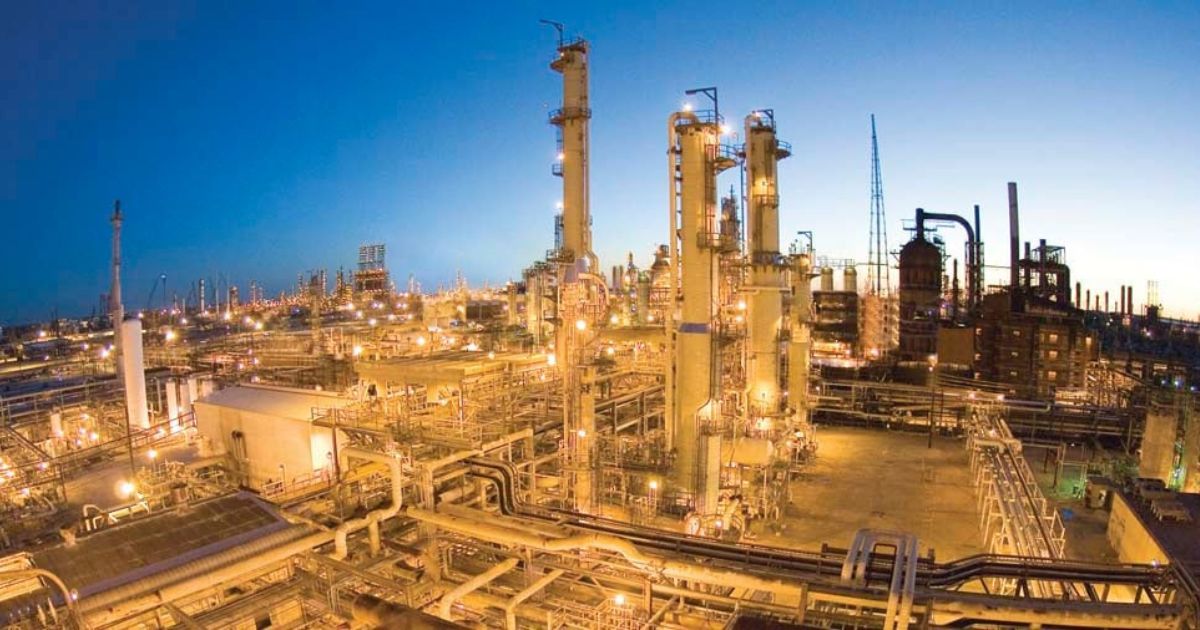
Iran’s strikes on the region’s energy infrastructure, as well as its restrictions on the strait, have caused oil prices to soar, prompting the U.S. to seek a way to break the chokehold.
More U.S. troops on the way to the Middle East
At least 1,000 troops from the 82nd Airborne Division are set to deploy to the Mideast in the coming days, according to three officials with knowledge of the plans who spoke to The Associated Press on condition of anonymity.
The 82nd Airborne Division is an elite unit that specializes in parachuting behind enemy lines to capture vital territory.
The Pentagon is also preparing to deploy 5,000 more Marines, who specialize in amphibious assaults, as well as thousands of sailors.
Most Americans think the U.S. military strikes against Iran have gone too far, and many are concerned about the cost of gasoline, according to the results of a new poll by the AP-NORC.
The survey, however, reveals that the approval rating of the U.S. President Donald Trump remains constant, the conflict has the potential to rapidly turn into a major political drawback for his Republican administration.
Diplomatic efforts face major challenges
The negotiators are working hard to arrange possible meetings between the Iranians and the Americans, possibly as early as Friday in Pakistan, according to the Egyptians and Pakistanis.
The U.S. President has claimed that his country is “in negotiations right now” and that the parties involved in the talks included his envoy Steve Witkoff, his son-in-law Jared Kushner, his Secretary of State Marco Rubio, and his Vice President JD Vance. Mr. Trump has not revealed the Iranian side of the talks. However, he claimed, “On the other hand, I can tell you, they’d like to make a deal.”
According to Press TV, Iran has presented a five-point plan for a ceasefire through the Iranian official who had refused the U.S. offer. The five-point plan included a halt to the killing of Iranian officials, means to ensure that no other war is waged against Iran, reparations for the war, the end of hostilities, and Iran’s “exercise of sovereignty over the Strait of Hormuz.”
These actions, especially reparations and its continuation of a chokehold over the Strait of Hormuz, will most likely not be acceptable to the White House.
Both Iran and Oman have territory in the Strait of Hormuz, but the shipping lanes are considered international water that all ships are free to pass through.
There are monumental problems that any dialogue between the U.S. and Iran will have to overcome. It is not clear if anyone in the Iranian government has the power to negotiate—or even will, such as the Israeli vow to continue killing Iran’s leaders.
Iran is very distrustful of the U.S., which has twice bombed them during high-level diplomatic negotiations, including the strikes on February 28 that started the current war.
Israel unleashes fresh attacks on Iran, but they are not alone in the attack
The Israeli military announced on Wednesday afternoon that they had carried out a series of airstrikes in Tehran. The military further asserted that as part of their attack a day ago, they targeted an Iranian submarine development facility in Isfahan.
Israel was alerted to a number of missile attack sirens, indicating that Iran, along with its ally Hezbollah, which operates from Lebanon, carried out attacks on Israel. Iran and its ally Hezbollah have been firing rockets at northern Israel around the clock since the war began, interfering with the lives of hundreds of thousands of people.
Iran, on its part, continued to put pressure on its Gulf neighbors. Saudi Arabia’s Defense Ministry asserted that they destroyed at least eight drones in its oil-rich province in the East, while missile attack sirens were heard in Bahrain.
Kuwait asserted that they destroyed a number of drones, but one of them hit a fuel tank at Kuwait International Airport.
Iran’s death toll is now above 1,500, the Health Ministry said. Israel’s death toll is 20 people, including two soldiers killed in Lebanon. At least 13 US military personnel have been killed, as well as over a dozen civilians in the occupied West Bank and Gulf states.
About 1,100 people have been killed in Lebanon, where the military campaign by Israel against Hezbollah militants is ongoing. In Iraq, where Iranian-backed militant groups have also been drawn into the war, 80 security personnel have been killed, said the security adviser to the government, Khalid al-Yaqoubi.
Energy prices fall back but remain high
News of the possible talks caused oil prices to fall. Brent crude oil, the global benchmark, has traded as high as US$120 a barrel during the war. It traded at around $100 Wednesday. It remains up about 35 percent from the start of the war.
Economists have warned of serious repercussions if these prices remain high. Prices of food items, for example, could increase, along with mortgage loans and auto loans.
Iran has allowed some ships to pass through the Strait of Hormuz, but none of those from the U.S. or Israel, or countries that are considered to be allied with these two.