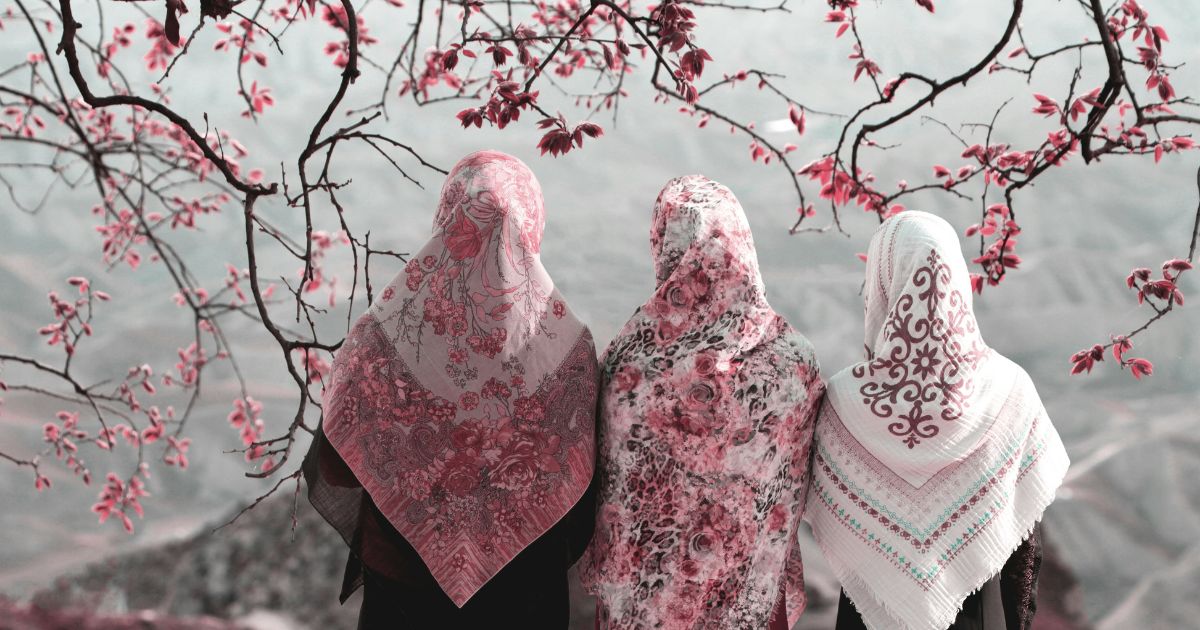
Austria has enacted a law that prohibits school-going girls below 14 years old from wearing headscarves.
The three centrist parties – the ÖVP, the SPÖ and the Neos- led by conservatives claim that the law is a pure promise of gender equality in the country but the critics claim that the law will encourage anti-Muslim sentiment in the nation and even be unconstitutional.
Austrian lawmakers approved a new law banning hijab for girls under 14 in schools, a move critics say is discriminatory and marginalises Muslims pic.twitter.com/EiH9HS2oMR
— TRT World (@trtworld) December 12, 2025
It will be implemented for both girls in the public and private schools.
A similar ban on the headscarf among girls below 10 in 2020 was also declared unconstitutional by the Constitutional Court, since it singled out Muslims.
The new law will require girls younger than 14 years to wear the traditional Muslim head covering (hijabs or burkas).
In case a student breaks the ban, he/she will be forced to undergo a set of talks with the school leadership and his/her legal guardians. In case of repeated violations, the child and youth welfare agency needs to be informed.
In the very unlikely scenario, families or guardians would be fined a maximum of 800euros (£700).
The government representatives claim that it is all about enabling the young girls, as they are protecting them against being oppressed.
Ahead of the vote, the leader of the liberal Neos party in parliament, Yannick Shetty, stated that it was not an act against a religion. It will be a step to safeguard the liberties of girls in this nation, and as an extra, it would influence approximately 12,000 children.
The conservative right-wing Freedom Party of Austria, the FPÖ, which supported the ban, claimed that it was “not enough.”
It referred to the ban as the first step, which should be extended to encompass all pupils and school staff.
The FPÖ spokesperson on families, Ricarda Berger, claimed that there must be a blanket ban on headscarves in schools; political Islam had no business in this country.
Opposition Green Party member, Sigrid Maurer, termed the new law as “obviously unconstitutional.”
The IGGoe, the official Islamic Community in Austria, declared that the ban was against the basic rights and would divide the society.
Through its statement on its website, it stated that rather than empowering the children, they will be stigmatised and marginalised.
The IGGO declared it would reconsider the constitutionality of the law and make all efforts.
The IGGö stated, “Such a ban is unconstitutional, namely because it specifically concerns the minorities of religions and contradicts the principle of equality, which the Constitutional Court already declared in 2020.”
According to the government, it has attempted to prevent that.
Will the Constitutional Court stand it? I don’t know. We have tried our level best, Shetty said.
A raising awareness trial will commence in February 2026, and the ban will be in full effect by the next September – the start of the new school year.