More than 1,500 federal forces that had been put on standby to possibly be deployed to Minneapolis were put down by the Northern Command of the Pentagon over the weekend, two U.S. officials privy to the situation confirmed.
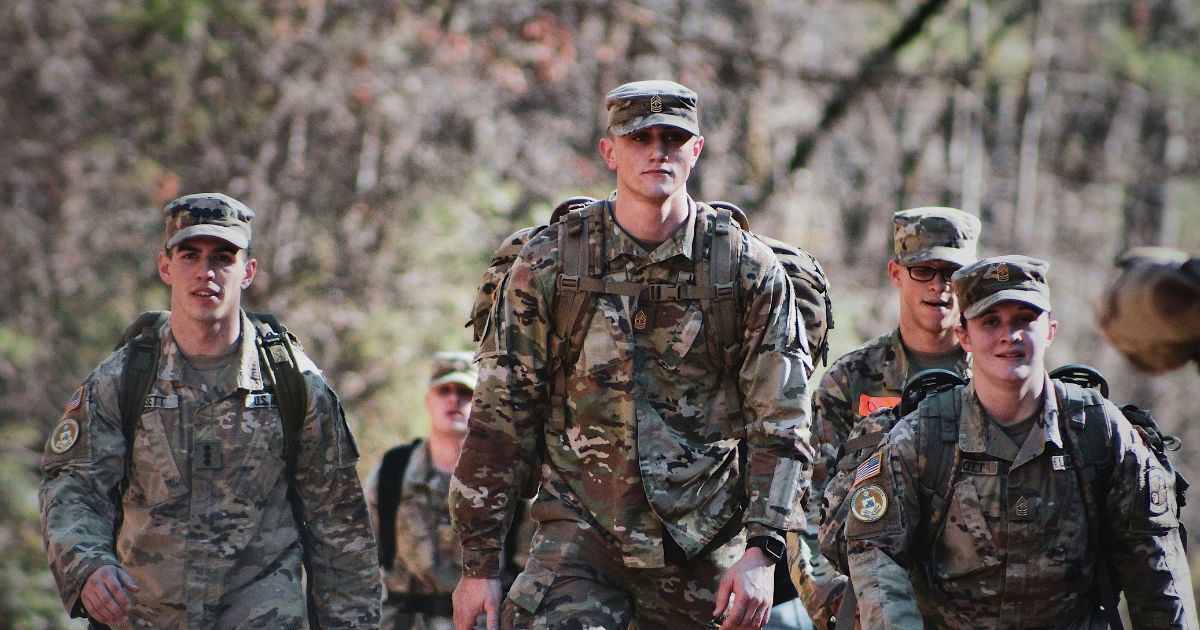
The initial ABC News report stated that some 1,500 active duty soldiers of the 11th Airborne Division in Joint Base Elmendorf-Richardson in Alaska had been given an order to get ready to potentially go to the Twin Cities in Minnesota.
Other units throughout the nation were also ordered to prepare, such as some 200 Texas National Guard troops.
There was never laid down any particular mission, and putting units on alert is a comparatively normal procedure when commanders are expecting a possible presidential order, as per the officials with knowledge of the strategy. The New York Times became the first to mention that units were being put on high alert.
The prepare-to-deploy orders were received after President Donald Trump threatened to invoke the Insurrection Act of 1807, which is a little-utilised law that gives a president powers to send federal military to law enforcement operations within the nation under specific, limited conditions.
Most often, this law has been used in the Civil Rights era, especially in enforcing desegregation stipulated by court order and putting down a major riot.
The stand-down order comes after the Trump administration gave a sign of possible de-escalation of Minneapolis following the deadly shootings of two individuals involving federal officers.
Throughout Monday, the Department of Homeland Security Secretary Kristi Noem said that all officers in Minneapolis would begin wearing body cameras.
The body camera program will be extended to all parts of the country, according to the Noem statement, as the funds are available. “We will quickly purchase and implement body cameras for DHS law enforcement throughout the nation.”
The 11th Airborne Division is the main ground combat division in the Pentagon and is targeted to fight in severe cold conditions, a special talent which the army considers to be more central in the contemporary conflict.
It is not a unit designed to operate according to civilian law enforcement, and it would have probably been perceived as a significant increase in the involvement of the federal government in the protests in Minneapolis.
The 11th Airborne Division has played a major role in the posture of the U.S. military in the Pacific region and is continuously training together with other allied powers as a way to deter China. The division is designed to be fast and flexible, concentrating on airborne operations that allow any of its units to parachute onto a disputed area, allowing commanders a first presence in an area of conflict.
In the meantime, Minnesota Democratic Governor Tim Walz has deployed the state National Guard to Minneapolis to guard the Whipple Federal Building, a vast federal facility where a courtroom, a detention centre, and offices of a variety of agencies, including Homeland Security, are located.
Guard troops have also been equipped with bright reflective vests so that they can easily be differentiated from federal agents who dress like the military.