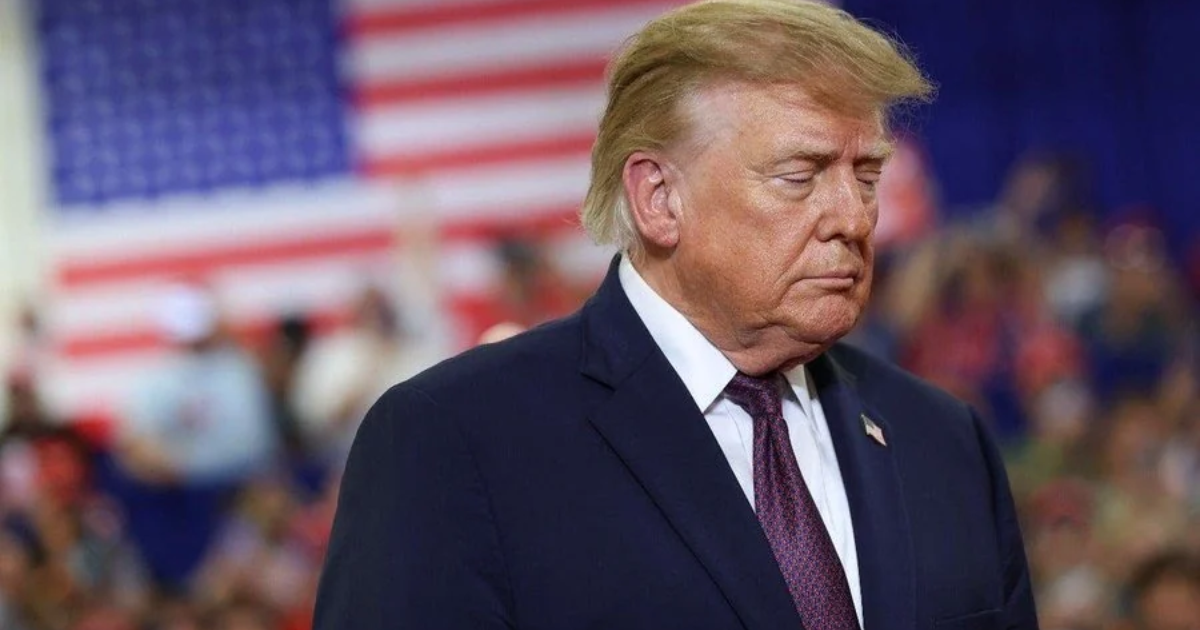
President Donald Trump is now entering a dramatically different political landscape as Democrats successfully took control of the House of Representatives and the United States Senate. Effectively, the midterm election results permanently end the legislative dominance of the Republican Party, and put Trump in a position of being a lame duck for the last two years of his presidency.
The new Democratic majorities have the power to stop conservative bills, conduct a wide-ranging administrative investigation and block future appointments by the president. But Vice President JD Vance made a loud break with the president over which occurred one of the most talked-about events in recent history, claiming that the unpopular Iran war was the reason for the election defeats.
Vance’s remarks are noteworthy at this juncture given a possible bid for the White House in 2028 and are an indication of party splits. Trump, in his initial public address, refused to acknowledge the midterm results instead using the opportunity to show off a new $400 million ballroom renovation going on at the White House.
In a later interview with reporters, Trump admitted that Vance was right on the money when it came to the Iran war, which “snatched up the gas prices. But the president insisted that he would make the same choice once more to stop Tehran acquiring a nuclear bomb.
Trump was conciliatory, promising to “get along” with the new majorities, but he was also threatening to veto any legislation he didn’t like and saying that any third impeachment would “ruin” the Democratic party.
The Democratic wave carried over to a more Republican bastion, moving seven key Senate seats in South Carolina, North Carolina, Iowa, Kansas, Ohio, Texas and Maine. Notably, James Talarico was elected to the Senate in Texas and the first Democrat elected to the Senate from Kansas since 1932 when Adam Hamilton, a Methodist minister, was elected.
The war in Iran should be over, said top Senate Democrat Chuck Schumer, who said the incoming Congress could use its oversight powers with the Congressional Budget Office to “make a push for peace in Iran now. In the meantime, Speaker-designate Hakeem Jeffries is expecting to witness a “tsunami” when all voting is counted, believing his party will win up to 255 seats in the House of Representatives.
The election also marked a host of historic firsts for the Democratic party. Abdul El-Sayed was the first Muslim elected to the Michigan Senate, and former Atlanta mayor Keisha Lance Bottoms is the first black woman governor in US history, having won the governorship in Georgia.
In Florida, however, Republicans were able to hold on to power as Trump-backed Byron Donalds won the governorship and Ashley Moody won re-election as the state’s first Black senator. But the net national result was generally viewed as a resounding rejection of the policies of the present administration by political analysts both from the Federal Election Commission and the academic world.