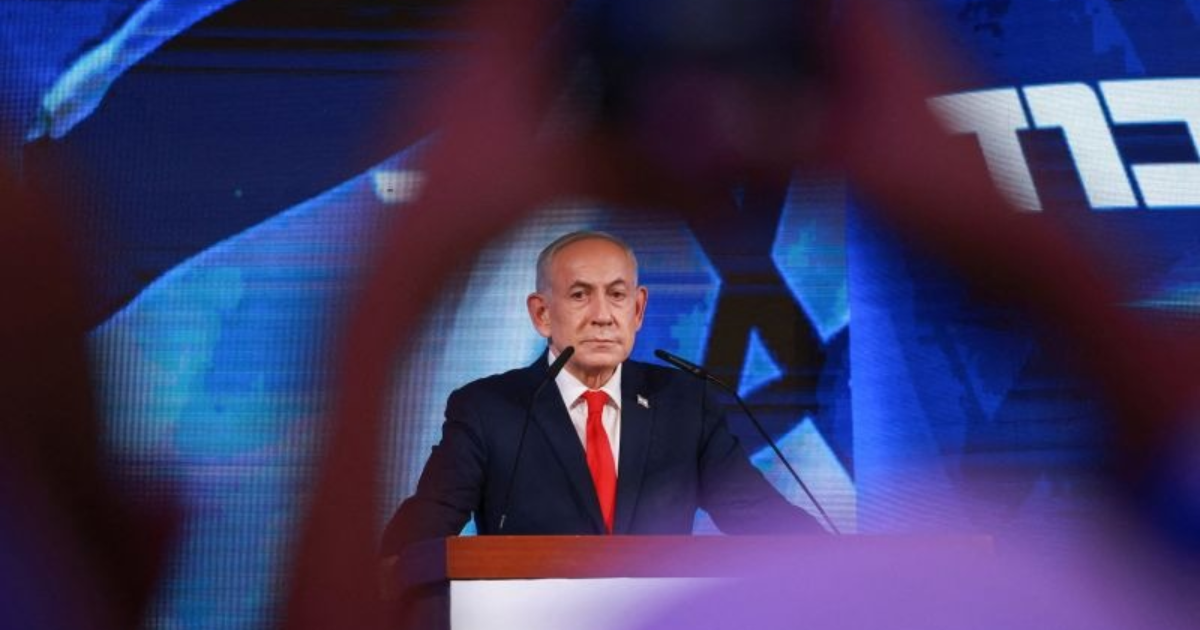
Prime Minister Benjamin Netanyahu’s right-wing coalition won the general election in Israel but didn’t win a governing majority. The final tally shows his bloc secured 53 seats in the Knesset, while his Likud wing held on to the biggest single bloc with 27 seats.
The opposition bloc, led by centrist Gadi Eisenkot, won 48 seats. That splintered election result paves the way to weeks of tough coalition talks, as none of the factions has secured enough seats to form a government by itself under Israel’s 61-seat parliamentary system. If there is no agreement, the next national vote could be held.
Two party coalitions, Raam and the Joint List, led by Arabs, are potential kingmakers since they won 19 seats combined. Joint List leader Yousef Jabareen said he is prepared to cooperate with the opposition to topple Netanyahu, but without entering the new government.
Netanyahu’s supporters immediately responded to the final vote count by using unverified accusations that Arab-Israeli organizations have been funded by Qatar for vote-buying. Likud officials referred to the unverifiable scandal as an “electoral earthquake” without backing it up with evidence. Mansour Abbas, the Raam leader, categorically rejected any wrongdoing, and said he welcomed an official inquiry.
The Ministry of Foreign Affairs of the State of Qatar strongly rejected the accusations, calling them ridiculously dangerous. The diplomatic wrangle raises past conflicts, with Netanyahu secretly accepting Qatari funding in Gaza before October 2023 and two of his own former aides having been arrested for allegedly receiving payments from the Gulf states.
Israel’s domestic intelligence agency, the Israel Security Agency, said it had opened an investigation into the suspected irregularities, but noted that should not affect “an entire demographic sector” that cast lawful votes. The acting commission chairman also rejected allegations of massive irregularities as baseless.
After failing to achieve a majority, Netanyahu has been blamed by his rivals, such as leftist candidate Yair Golan and opposition leader Eisenkot, for using a “coordinated strategy” to “legitimise” the non-democratic process. Three suspects were arrested and had cash envelopes found on them during the voting period, but this was not a sign of a large-scale voter fraud operation, the Israel Police said.