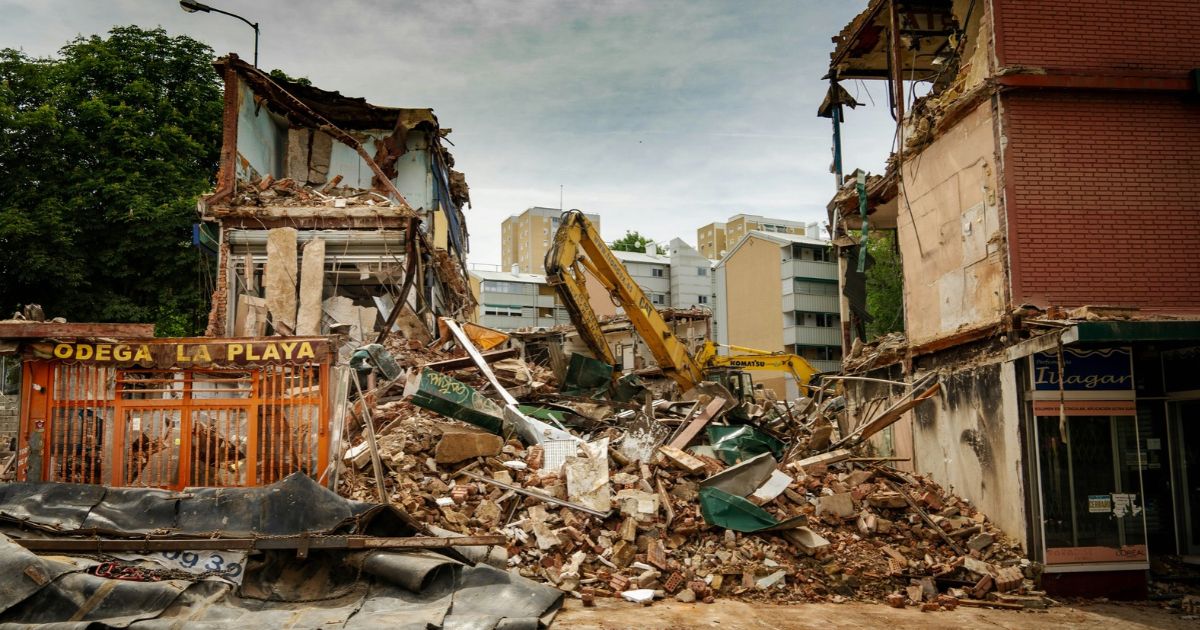
Chinese state media say at least 16 people were killed and dozens injured when a 7.0 magnitude quake hit a mountainous area in Tibet.
The centre of the quake hit Baqên County in the Nagqu region on Thursday night, Xinhua quoted the local emergency management bureau as saying.
The county is 400km (250 miles) northeast of the regional capital, Lhasa, in what China calls the Tibet Autonomous Region after annexing it in the 1950s.
Authorities declared the incident an emergency and dispatched rescue teams to the area. 65 other people have been injured, including 11 with severe injuries.
Electricity has been cut off, and 339 homes collapsed in the affected region, but by Friday morning power had been restored in some areas, according to reports.
More than 12,400 people had been relocated following the earthquake, local media said.
Rockfalls are closing roads in the region, hindering crews from reaching affected high-altitude areas.
The US Geological Survey (USGS) has recorded seven tremors, all in the mountainous region, close to the epicentre. The biggest tremor was magnitude 5.2 at a depth of 10km.
Shallow quakes and tremors near the surface of the Earth cause more damage than deep quakes.
Some earthquake survivors have told local media about their harrowing escape.
Yixi Cuomu, a resident of Nagqu, told Tibet Daily she was lying in bed when her house began shaking violently. She realised it was an earthquake and ran outside barefoot with ‘legs shaking uncontrollably’ as she hurried down the staircase in her home.
A different witness said the shaking was so violent “that at that moment it felt like several hundred yaks were running past us.”
Residents, fearing aftershocks could leave them trapped in their homes, opted to sleep out in subzero temperatures, sheltering in tents or cars, the news outlet reported.
More than 400 aftershocks have been recorded since the quake, state media in China said Friday morning.
China’s Premier Li Qiang urged “urgent efforts” to organise rescue operations, medical treatment for the injured, and the proper relocation and resettlement of residents affected by the disaster, state media reported.
The earthquake-hit area is at a high altitude of about 4,800m (15,750ft) and is prone to aftershocks, said Li.
A working group from the Ministry of Emergency Management has been sent to the disaster area to guide rescue and disaster relief work.
The Chinese government said it was separately donating 50 million yuan (£5.6m; $7.5m) to help with relief efforts in Tibet.
Video posted on social media of the moment the quake hit showed villagers running into streets as buildings shook violently in the dark. They have not been independently confirmed.
The region is subject to destructive earthquakes.
A 6.2 magnitude quake in nearby mountainous Gansu province of China in 2023 killed more than 120 people.
Massive floods and landslides, caused by a glacier collapse, devastated Tibet and Nepal less than two months ago, killing at least 1,400 people. Hundreds more are still reported missing.
The teams on the Tibetan plateau are highly experienced and have shown they can mobilise quickly, despite some of the most difficult rescue conditions in the region.
Within hours of a powerful earthquake hitting Tibet’s Shigatse region in January 2025, military personnel, firefighters, police and specialist rescue teams were in the area.
The Chinese military has drones too, to help survey the area.
Tibet is one of the most tightly controlled areas of China and has long sought greater autonomy.
When such disasters happen, Chinese state media is the main source for updates and details. Foreign media is restricted from the region, and information is heavily censored by authorities.