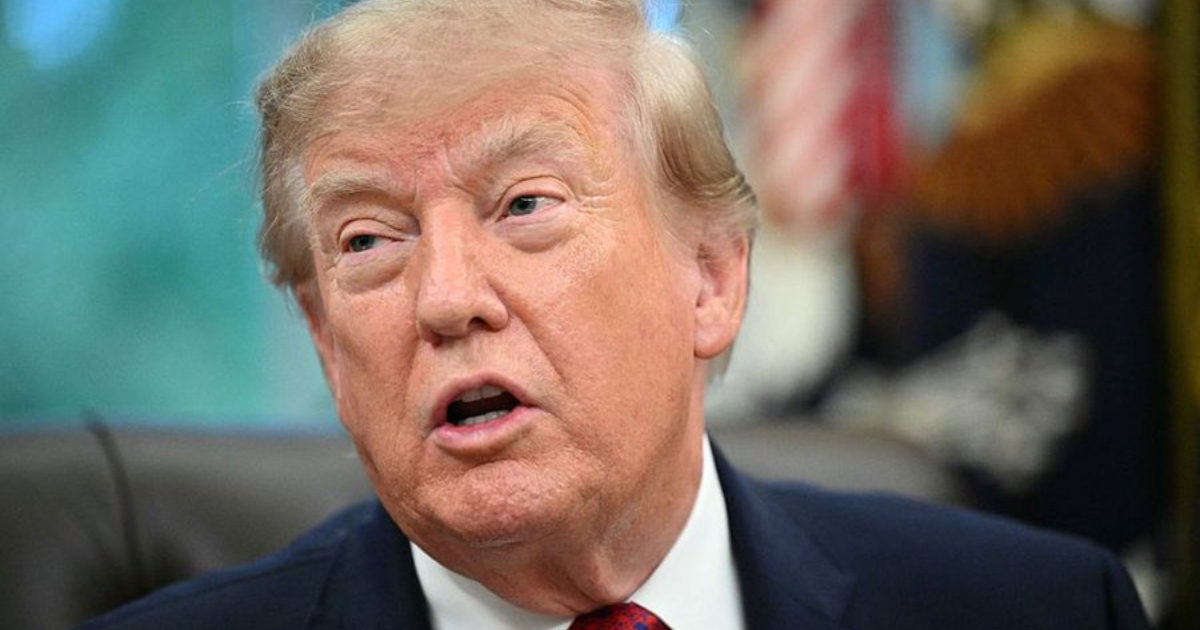
The White House, through U.S. President Donald Trump, late Friday night issued an executive order that bars many sanctions against Russia two days before they are set to become effective. The law was enacted by Congress and signed into law in September of this year to severely punish Russia’s economy for its efforts in the war.
Under the US Department of State, explains US Secretary of State Marco Rubio, the suspension is a 60-day pause. The short-term suspension is meant to give the administration time to study possible economic effects of the sanctions on both the U.S. and global economies.
Russian envoy Kirill Dmitriev hailed it an “important and truly historic moment. On the other hand, it triggered an immediate reaction from the Office of the President of Ukraine. President Volodymyr Zelensky voiced his anger and said the sanctions were supposed to put “extra pressure” on the war that is still underway.
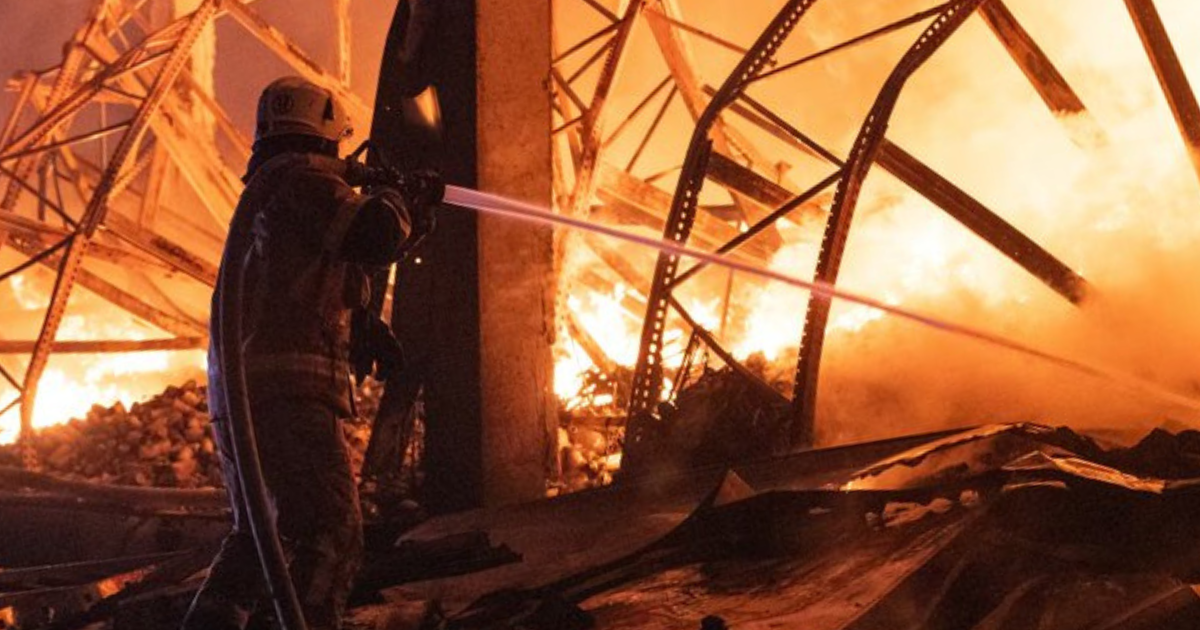
Zelensky underlined the dire effects of inaction on sanctions, citing the Russian overnight attacks on 15 Ukrainian energy facilities, which resulted in extensive blackouts. He said that Moscow, led by the Government of Russia, is knowingly trying to freeze the Ukrainian people just prior to the winter.
The law that had been subject to debate would have put Trump in a position to impose tariffs of up to 100 percent on imports from key consumers of Russian oil and gas, including China and India. It also attacked senior Russian officials, financial institutions and the so-called “shadow fleet” that circumvents international sanctions.
All U.S. politicians have united against the sanctions waiver. Democrats said Trump had fallen for a ploy by Moscow, and several prominent Republicans, including Sens. Ted Cruz and John Cornyn, said the measure was “reckless. Senator Thom Tillis said the administration should work to end the current Iran war to reduce energy prices, not help the Kremlin.
Washington and Kyiv have moved quickly down the path of souring relations since the US last week signed a controversial contract to import Russian diesel to ease the high domestic fuel prices. At a recent EU summit, Zelensky noted he felt it was good to be among the “real leaders” after Trump suggested the Ukrainian leader was harder to negotiate with than Putin.
The two countries had signed an “energy ceasefire” to allow for diesel exports, Trump said, but Zelensky was surprised by the deal as Russia launched three days of new attacks. As a result, Kyiv is again engaged in defensive measures against the Russian oil refineries, and Trump went on to label them a “disgrace”.
Ukraine has reported disruptions in the satellite systems it receives from the United States, which are meant to help it become more independent, further fueling its distrust. Just recently, the network reduced the flight speed of drones, reportedly impairing the missions on the battlefield for Kyiv. The US authorities have attributed the failure to technical problems, whereas the Ukrainian officials have pointed to the fact that the system operates perfectly at high speeds on the territory of EU countries.
In the midst of these diplomatic tensions, the fighting in the street is getting worse. At least nine people have been killed and some 60 injured by recent Russian attacks in Ukraine, including an ambulance driver in city of Kherson, Ukrainian authorities reported.