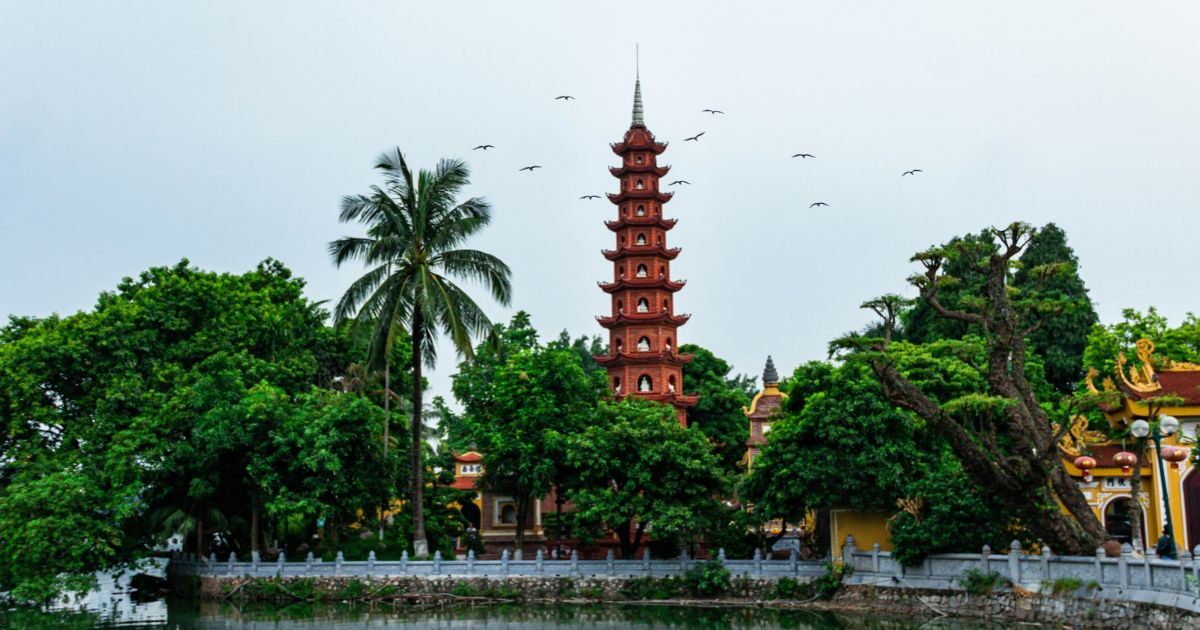
Cultural heritage is increasingly emerging as an important asset for the development of creative industries, providing new opportunities for business and the maintenance of traditional art skills, crafts and cultural practices. Looking at how artists, startups and private enterprises are working together, folk traditions are being interwoven with technological solutions to create increasingly novel products and experiences for broader audiences.
Culture has become a highly valued resource for economic and social development and is gaining recognition by governments and cultural organisations. There are opportunities to create sustainable creative industries and enhance cultural identity through traditional arts, historical sites, architecture and performing arts.
Cultural Heritage Creates New Opportunities for Creative Industries
Cultural heritage is the basis for creating creative products and services. It contains physical properties like historical buildings, monuments, artworks and traditional objects, as well as intangible properties like festivals, ceremonies, folk performances, music and traditional crafts.
Cultural resources provide inspiration to businesses and creative people for the development of products, which combine values and interests of the past with the interests of today’s consumers.
The preservation of heritage should go hand-in-hand with the promotion of innovation, experts say. The traditional art forms can be effective in engaging younger audiences and appealing to international audiences through the use of technology, modern design, and contemporary storytelling.
For example, digital technology can assist with adding engagement to existing traditional performances through the use of visual effects and interactivity.
Creative spaces can also be important to this development. Empty public buildings, abandoned cultural centres, and abandoned commercial facilities can be transformed into community centres for traditional craft training, cultural exhibitions and performances, and art workshops.
These can provide opportunities for local artists, craft makers, entrepreneurs and small businesses to benefit, and foster increased community engagement in culture.
Technology Is Transforming Traditional Art and Culture
The use of modern technologies is opening new possibilities to preserve, present and promote cultural heritage. The medium of digital stories, virtual trips, online exhibitions and interactive performances can increase access to traditional art for today’s audiences.
But innovation should not come at the price of authenticity of the culture, experts note. Technology cannot become an end goal, it should be a way to improve the traditional arts.
Combination of traditional knowledge and contemporary creative techniques will make it possible to adapt cultural products to changing market conditions. This approach also provides opportunities to cooperate with technology firms and creative businesses, and artists.
Investment in Talent Is Necessary for Sustainable Development
The creation of creative industries depends not only on financing and usage of advanced infrastructure, but financing is not enough to get good results in the field of art. It is necessary to remember the role of professionals and creativity.
The creation of cultural industries requires investment in artists, directors, writers, designers, technical staff and other creative specialists. With the help of training programs and collaboration they will be able to improve their skills and develop new creative approaches.
Fostering young talent and promoting skilled collaboration between them and traditional artists can also assist traditional industries to meet modern demands.
Beyond this, cultural institutions require appropriate facilities, technical equipment and professional resources to create quality productions and creative products.
Collaboration Can Strengthen the Cultural Economy
Cooperation is essential between governments, artists, educational institutions, technology start-ups and private businesses in order to create a successful cultural industry ecosystem.
The financial support, infrastructure and favourable policy in the public sector can promote the creativity project, and the private sector can translate the artistic project into commercial products.
These collaborations can bring jobs, help to sustain local businesses and provide additional income for artists and communities.
Finally, cultural heritage is more than historic and artistic. With innovation, skilled human capital and sustainable investment, it can be a catalyst for creative industries, economic opportunities and cultural development.