The first major international conference at the University of Cambridge on ancient civilisations of Eurasia opened this week, with more than 50 experts in the field from around the globe coming together to investigate the history and cultural links of the Great Steppe.
The 3-day event is taking place in partnership with the British Museum and the top Kazakh universities. The programme includes over 20 presentations by Kazakh researchers, showcasing Kazakhs’ archaeological and cultural heritage.
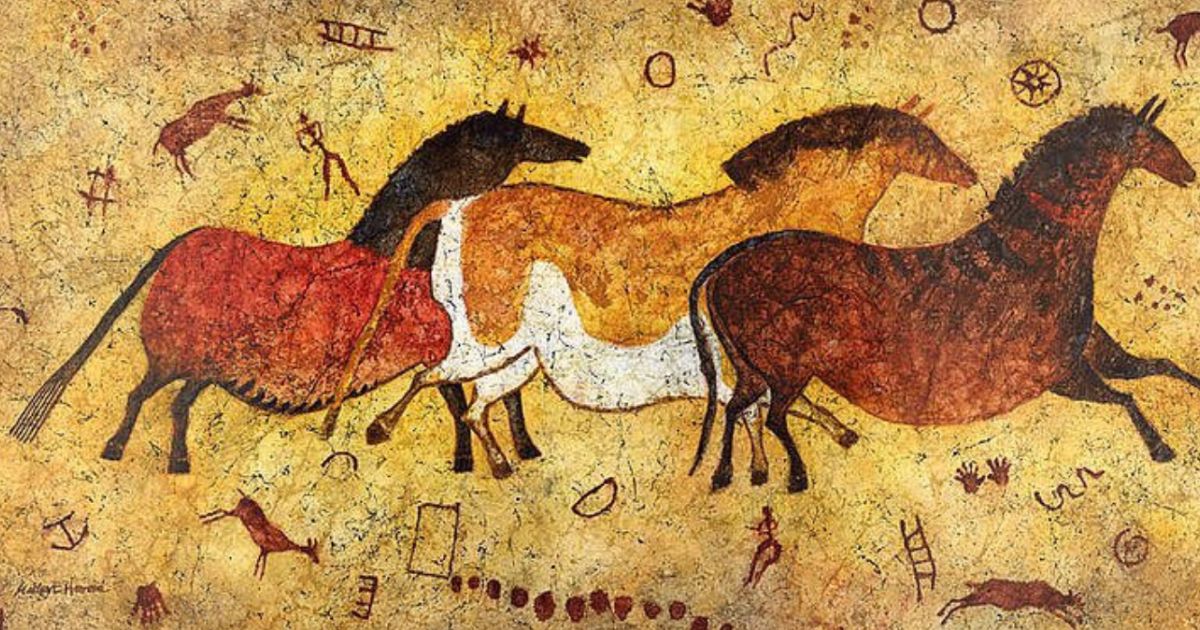
One of the features is the presentation of over 5,000-year-old cultural heritage of northern Kazakhstan, which is presented in an exhibition “Botai – Culture of the Great Steppe”. It contains archaeological objects, traditional objects, artworks and exhibits related to the extended tradition of the use of horses in the region.
The exhibition is especially important because it is the first time that it is presented in Europe with a focus on Botai. The Botai site is internationally significant because it is one of the sites that has been researched for many years in search of clues as to early human relations with horses.
The debate over whether Botai horses were domesticated or hunted primarily is ongoing. New research from the Cambridge conference indicates evidence of human control – such as possible horse enclosures – and traces of use that have been linked to bridling and use of mare’s milk.
The conference also underscores the increasing academic cooperation between Kazakhstan and the British institutions. The previous exhibitions, such as the “Gold of the Great Steppe” at the Fitzwilliam Museum of Cambridge, contributed to the growth of interest in Kazakhstan’s archaeological heritage internationally.
The Cambridge event is expected to make an important contribution to further research and academic publications on Botai culture, the domestication of horses and the wider history of the Great Steppe.