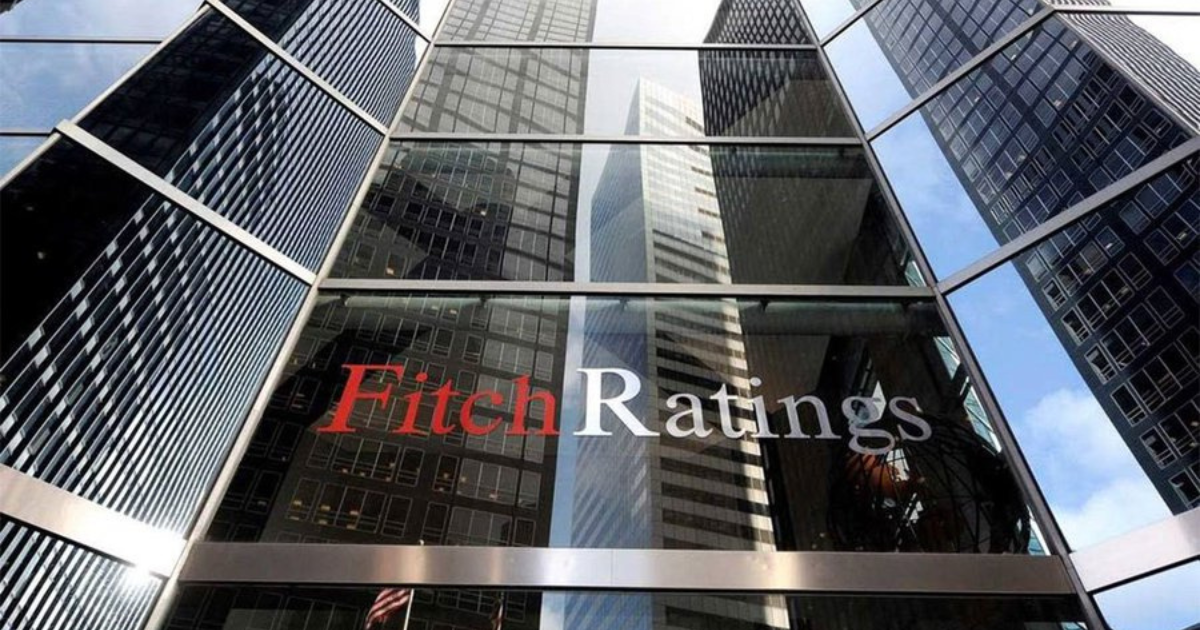
Sri Lanka’s Long-Term Issuer Default Ratings have been upgraded to “B-“, with a stable economic outlook, by Fitch Ratings. The agency upgraded the rating on the basis of “robust strides in the implementation of structural fiscal reforms and more generally in the country’s external financial position.
The agency pointed out that external financing risks have been significantly lowered thanks to better fiscal and external balances. Together with the modest but significant improvement in foreign exchange reserves, these have enhanced the country’s ability to withstand a sudden financial impact and its local currency.
As per Fitch, the government will experience a primary surplus of 2.6% of GDP in 2026, down from 5.4% in 2025. At the same time, the general budget deficit will rise from 2.3% of GDP to 4.1% of GDP through the same period.
Besides, even if the overall debt is already higher than similar-rated ratings, it will decline from 96.7% of GDP to 92.9% of GDP in the following five years due to a reduction in government debt. With the gross government debt falling from 96.7% of GDP to 92.9% of GDP in the same time, total debt and debt servicing indicators will remain high, in comparison with similar countries. As for economic growth, it will slow down from an average of 5% of GDP in previous two years to 4.1% of GDP in 2026, while the medium-term economic outlook appears to be stable.
Even though Fitch gave the rating a positive outlook, they still have cautioned of potential future financial challenges, which will be a subject of keen interest to international organisations such as the International Monetary Fund. External debt repayments are likely to increase significantly in the next five years, including a sharp increase after 2028. With this coming lender-financing schedule, the economy is extremely exposed to policy slips as well as economic shocks, which are often cited by regional lenders like the Asian Development Bank.
The ratings agency said that the improvement in the public debt ratios and the continued build-up of foreign exchange reserves could support another upgrade in the future. On the other hand, a downward trend in fiscal discipline or renewed external liquidity problems would lead to downward rating actions, which would consequently reverse the country’s recent economic development.