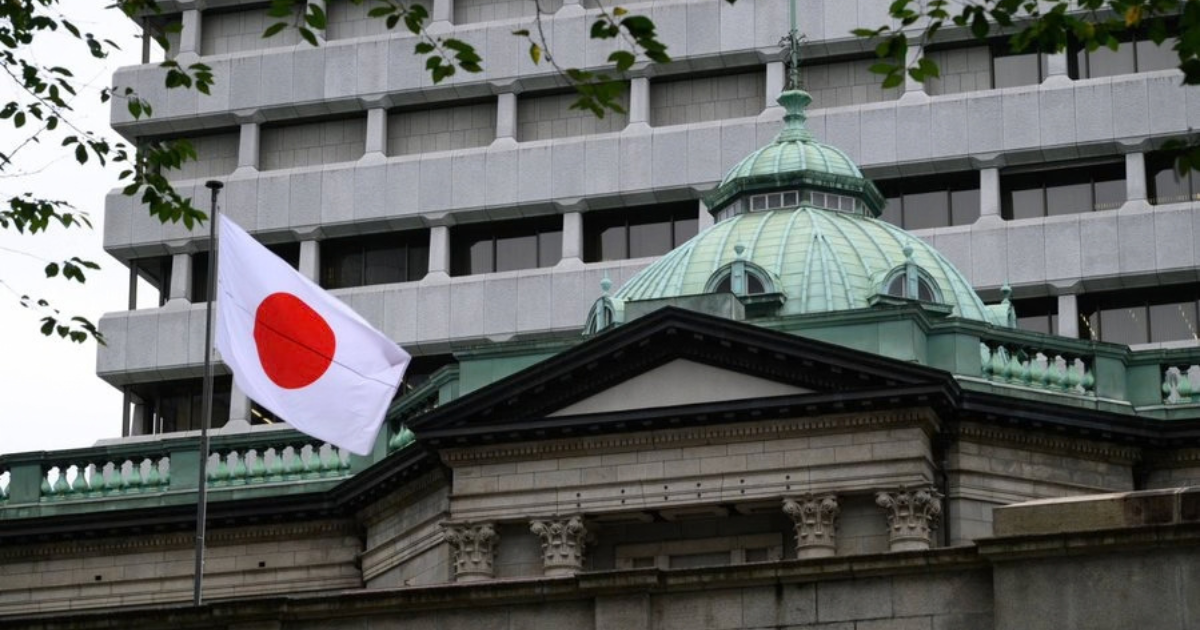
The Bank of Japan has raised its policy interest rate to 1.25%, the highest in 31 years. Governor Kazuo Ueda explained that this indicates the central bank has entered a new stage in its monetary policy, shifting from merely stimulating inflation to preventing prices from going over its target of 2%.
In the press conference, Ueda warned that the risk of inflation surpassing the 2% level would have damaging effects on Japan’s economy. However, Ueda assured that the central bank intends to respond to inflation without making any abrupt decisions in the financial markets, although he did not exclude the possibility of consecutive rate increases or keeping up with the pace of the 50-basis points hike when inflation does not get under control.
Japan’s rate increase is consistent with the actions of the countries that face the global inflation threats brought about by the rise in energy costs because of the Iran war, expansionary monetary policies, and increasing corporate investments in AI, while Japan’s interest rate is still lower than those of the European Central Bank (2.5%) or those of the Federal Reserve System (3.75%–4.00%).
Though Ueda made a hawkish statement, the yen fell to its lowest level in two weeks due to the announcement made. What apparently confused investors is the pronounced disagreement of two newly appointed policy makers who suggested being patient in increasing borrowing costs. Currency market analysts following the moves of the Japanese Ministry of Finance keep on saying that the enormous interest-rate gap between Japan and other leading Western economies weighs heavily on the yen.
Looking ahead, financial analysts expect further tightening to happen soon. In the opinion of economists, the policy rate may increase to 1.5 percent by March next year and may even rise to the level of 1.75 percent as early as in June 2021. International financial agencies, including the International Monetary Fund, keep on watching the global changes which may help the Bank of Japan take more effective decisions concerning any necessary measures in case of yen weakness, spring wage negotiations, and oil-price increase.