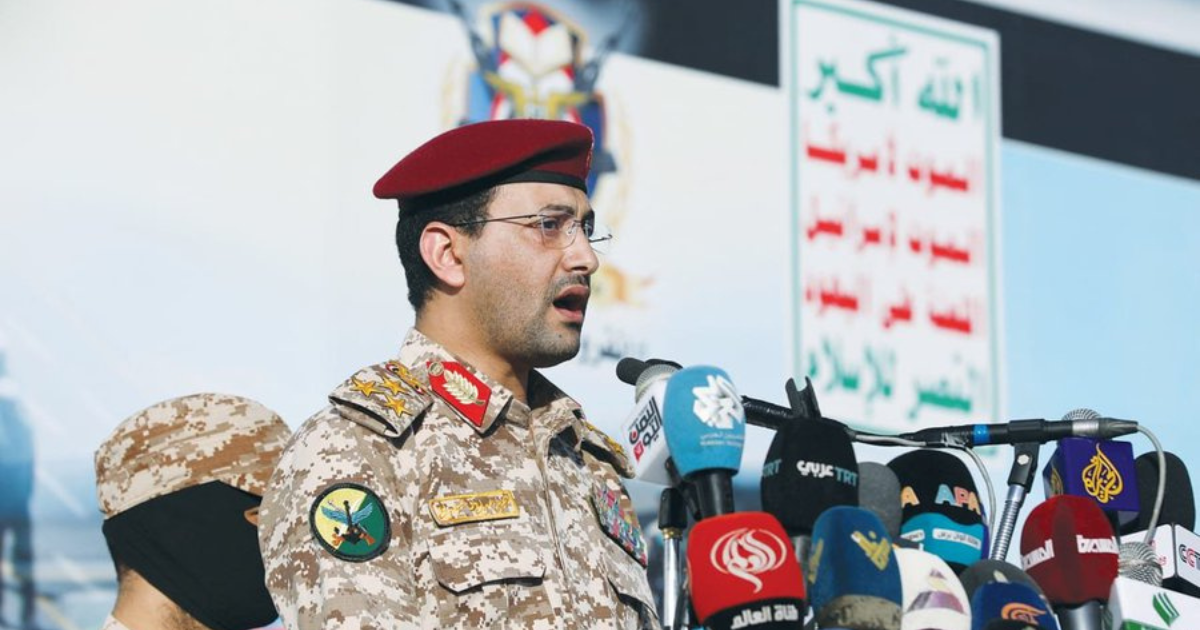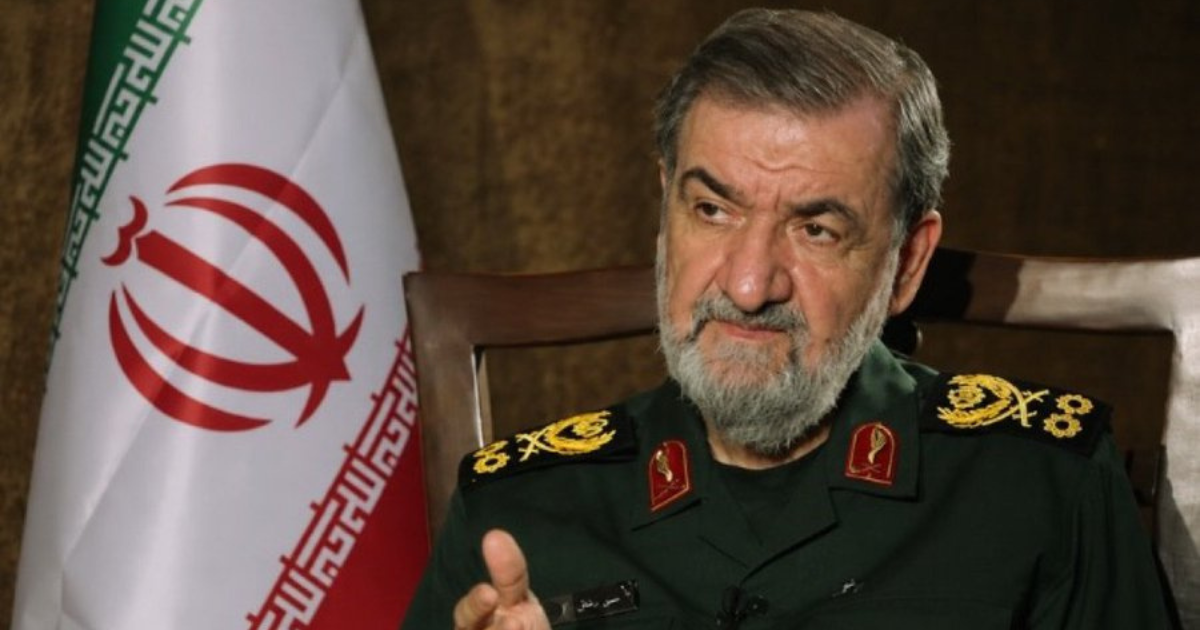
The UN Security Council convened an emergency Tuesday to consider the rapidly accelerating violence in Yemen. There has been a major escalation of conflict between Saudi-backed government forces and the Iran-backed Houthi rebels in all of the above-mentioned provinces, particularly in the city of Aden. UNHCR reports that thousands of people were displaced across the Bab el-Mandeb Strait into Djibouti following the severe fighting around the strategic Bab el-Mandeb Strait that is causing thousands of civilians to flee across the waterway.
The continuation of the renewed conflict is rapidly inflicting a humanitarian cost. Over the past 10 days, seven critical health facilities have been damaged, out of service or directly affected, according to the World Health Organization, that reports 2,883 casualties since the beginning of August. At the same time, the International Organization for Migration reported 93,864 new IDPs as a result of the violence. This military escalation coincides with a terrible time, when close to half of Yemen’s 41 million people are in urgent need of humanitarian assistance due to severe acute hunger.
The recent clashes pose a direct threat to one of the world’s busiest shipping lanes that connects the Red Sea and the Gulf of Aden. The fighting has ramped up for several weeks, with Houthis capturing several islands last week in the Bab el-Mandeb Strait. Abdulaziz M. Alwasil, Saudi Arabia’s representative, cautioned the Council that the Houthis’ escalation poses a serious threat to the security of the region, international trade and global supply chains. He pointed to civilian casualties in attacks on the cities of Abha, Khamis Mushait, Jazan and Najran and called for the complete implementation of the UN resolutions 2216 and 2722.
The United States Mission to the United Nations also raised the maritime and security issues, and urged the Council to deal with Iran’s direct involvement in the conflict. U.S. representative Jennifer Locetta called on the Houthis to stop advancing and stop shipping attacks and withdraw from seized areas. Tehran is the “main violator” of international resolutions 2140 and 2216 aimed at stopping the militia from being supplied, trained and directed by Iran, she said.
Other countries called for “restraint” and a call for regional mediation. Representative of China, Sun Lei, affirmed respect for the territorial sovereignty of both Yemen and Saudi Arabia, and called on all parties to respect civilian infrastructure, while calling on Gulf countries to take a more prominent role in peace negotiations. Representing the Democratic Republic of the Congo, Somalia and Liberia, Lewis Garseedah Brown II warned against Yemen being a proxy conflict. He stressed the harsh economic consequences on Africa, such as the increased costs of importing grain, fuel and fertilizer, as shipping was disrupted, and the need for a permanent nationwide ceasefire, the opening of transit routes and the immediate release of detained UN and humanitarian personnel