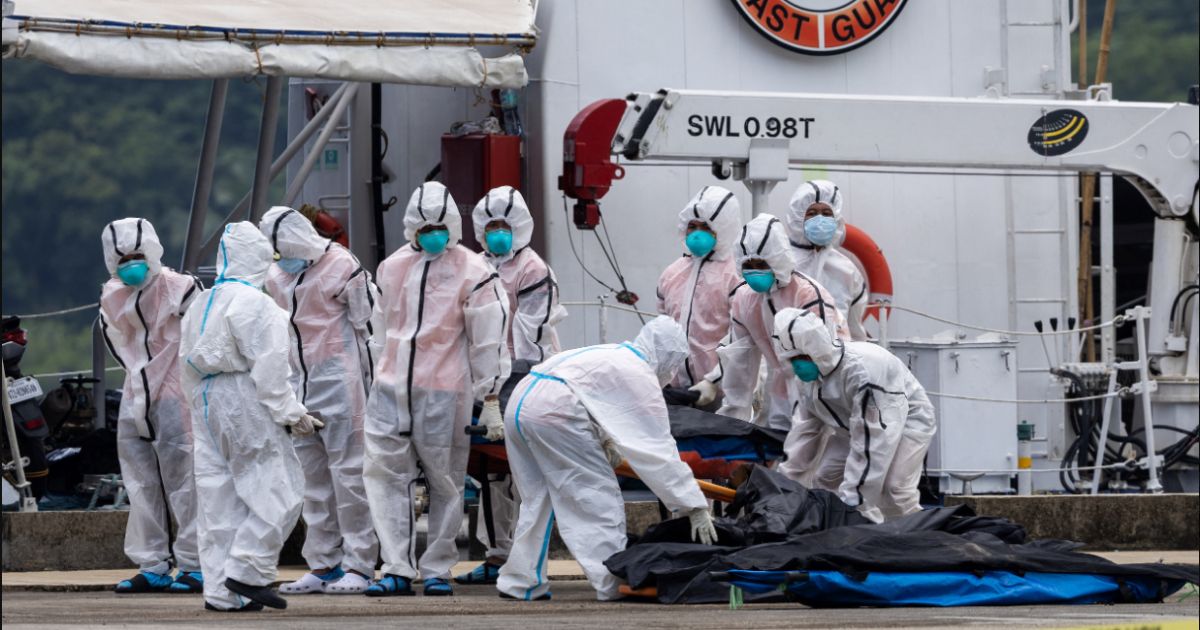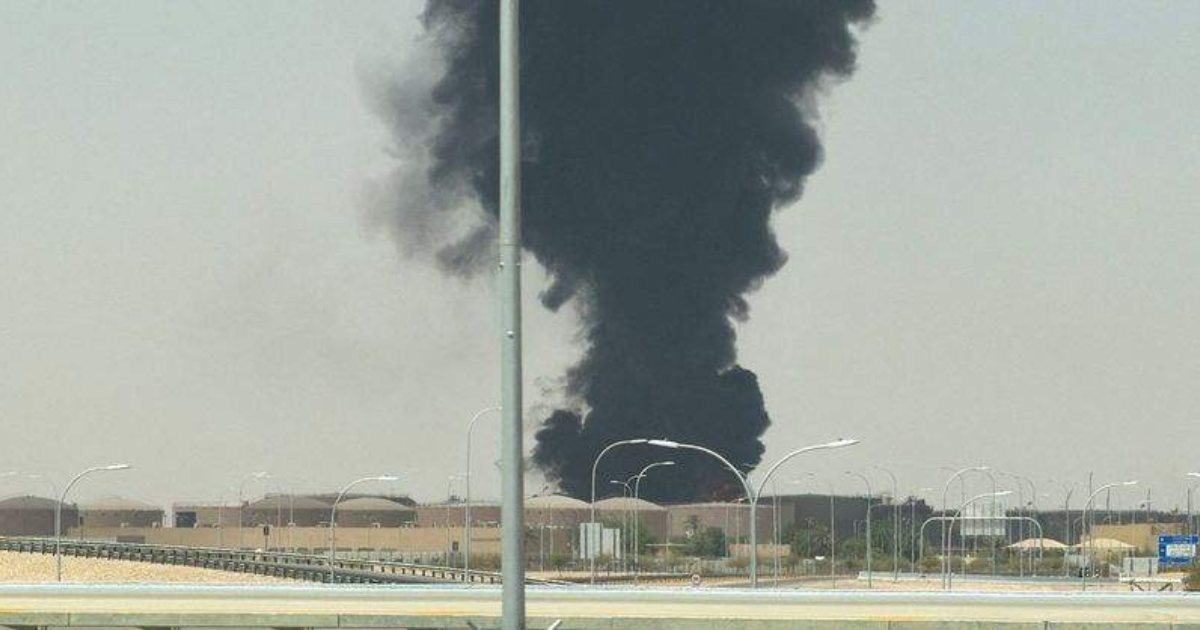
On Tuesday, the U.S. Department of Defense has announced the destruction of five Iranian oil tankers. The American military response was in response to the recent attacks on its warships, and this is a significant escalation in a conflict that has been ongoing for more than six months.
After the U.S. operations, Iranian missiles rained down on U.S. targets in Jordan. Jordanian national air defence systems have succeeded in intercepting 18 ballistic missiles fired at their country while two others have fallen in uninhabited areas, the military said. Luckily, there were no casualties reported. Jordan’s military bases have been frequent targets of Iranian retaliation, being a staunch U.S. ally and home to American troops. Shortly after, officials at U.S. CENTCOM said they were not aware of any other information to share about the strikes.
The continuing tit-for-tat strikes are part of a two-pronged economic and military approach being used by President Donald Trump to try to end the prolonged conflict. As part of this comprehensive approach, the U.S. Department of the Treasury imposed severe new sanctions on elements of Iran’s aviation industry. The wide-ranging economic fines against both civilian and commercial carriers, as well as foreign cargo carriers, are aimed at effectively cutting Tehran off from the rest of the world’s trading partners.
The United States and Iran are also clamoring to dominate the Strait of Hormuz, a vital waterway. The current conflict in this essential waterway is having a major impact on energy markets, which U.S. Energy Information Administration is watching closely. Prior to the outbreak of war, some 20% of the oil traded in the world passed through the strait. The effect that the surge in energy prices has had on the price of international standard crude oil, which briefly hit $99.46 on Tuesday, presents an important political problem for the Trump administration as the midterm elections approach in November.
The newest tanker attack comes after Iranian oil tankers were shot down last weekend by U.S. forces after they attempted to hit an American aircraft carrier and destroyer with ballistic missiles. Soon after those strikes on Saturday, Washington made a strong statement that it would systematically destroy Iran’s limited and vulnerable oil fleet if it needed to. In response, Tehran announced that it will impose new restrictions on transiting commercial ships in an “exclusion zone” around the Strait of Hormuz.