In April, the South Korean Ministry of National Defense announced that North Korea had already installed 600mm super-large multiple rocket launchers (MRLs) in the vicinity of the front lines. This was explained in a report to the National Assembly of the Republic of Korea Defense Committees. The range of the weapons is around 400 kilometres, which generally puts the whole Korean Peninsula within firing range, apart from some outlying islands. So far, there was no confirmed evidence of active operations in the vicinity of the Demilitarized Zone, defense officials until recently said.
The defense ministry was constantly in flux as the questions continued to come in. In a committee meeting, Defense Minister Ahn Gyu-back replied yes to Representative Yu Yong-weon’s inquiries about the deployment of 240mm and 600mm MRLs, self-propelled artillery and tactical missiles in the vicinity of the border. This directly contradicts the previous briefings that were given to Representative Kang Dae-sik in March. The ministry, however, changed its stance later in the day, saying there were no concrete indicators of actual deployment, and Minister Ahn said that his previous statement was meant to apply only to the active search for deployment opportunities.
This sudden clarification came after a major provocation by Pyongyang’s military. North Korea fired more than a dozen suspected 600mm short-range ballistic missiles at the East Sea shortly after the initial briefing. The ministry now officially believes the North is only performing a “routine” test launch after a ceremony and is preparing for its border, according to the Republic of Korea Joint Chiefs of Staff’s intelligence.
Conflicting Reports and Escalating Border Tensions
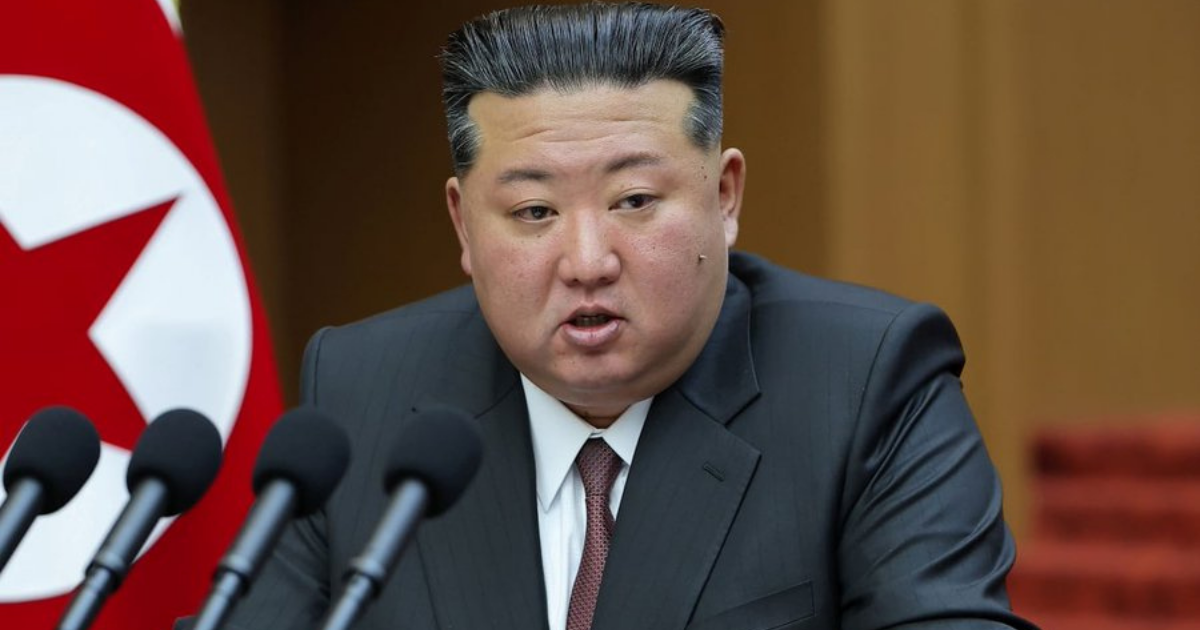
The contradictory remarks have led to harsh critiques from military analysts and retired officials. North Korea already shot 12 upgraded 600mm MRLs in the March “Freedom Shield” military exercise, critics note. In addition, leader Kim Jong-un checked the systems in February, calling them a “super-powerful attack weapon. If North Korea has produced more than 80 such systems, they could fire more than 400 rounds in succession, interspersing conventional weapons and Hwasan-31 tactical nuclear warheads to overwhelm South Korean and allied air defense systems, security experts say.
In December 2023, Kim Jong-un said the two Koreas were “hostile two states.” Since then, ties have slid more and more along the border.
North Korea is pushing ahead with its big border demarcation work. The assessment used by North Korea points to figures from South Korea’s Ministry of Unification. About 90% of the cleared barren land has already been handled. Work on fresh fences and minefield areas has started. The full clearing effort is expected to wrap up around 2028.
To deal with these new strategic challenges and internal conflicts, defense officials are strengthening operational procedures at home. The ministry recently announced the formation of a Joint Special Discipline Inspection Task Force. The unit is carrying out strict checks on major commands after a series of highly publicized incidents where ammunition has been found on the guard posts in front of the 1st Corps of the Republic of Korea Army without being registered and a recent misidentification incident with U.S. military unmanned aerial vehicles.