UNESCO has moved 12 more historical, cultural and archaeological sites from Pakistan to its Tentative List of World Heritage Sites, which is the initial step towards being officially ratified as a World Heritage Site.
The sites comprise properties showcasing Gandhara and Buddhist culture, Mughal architecture, historic forts and the living culture of Kalasha Valley, raising the number of Pakistani cultural jewels on the tentative list to 37.
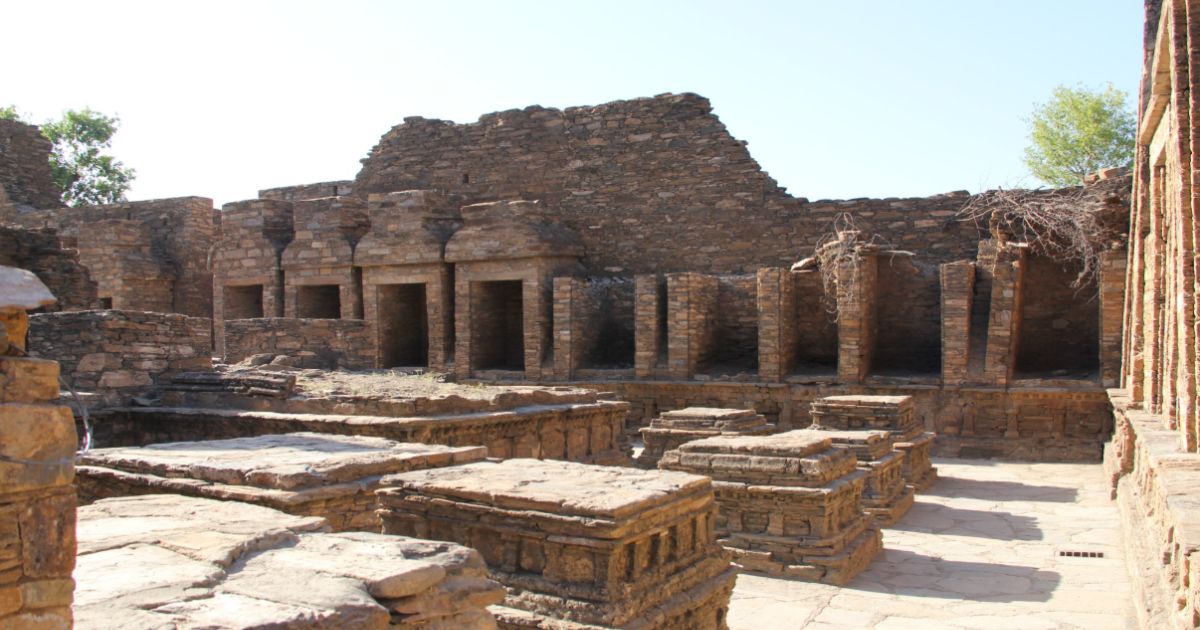
Currently, Pakistan has six cultural properties inscribed on the primary UNESCO World Heritage List, namely the Buddhist ruins of Takht-i-Bahi and the remains of the neighbouring city of Sahr-i-Bahlol, Lahore Fort, the Shalimar Gardens, the Historical Monuments at Makli, and the Rohtas Fort.
The new nominations are based on the diversity of the country in terms of history and culture and are distributed throughout Pakistan.
Tucked away in the Hindu Kush Mountain range, the cultural landscape of the Kalasha Valley in Khyber-Pakhtunkhwa has been recognised as a well-preserved and continuously inhabited high mountain cultural environment, with age-old festivals and unique open-air dancing grounds.
In May, the Pharwala and Rohtas forts and the Tomb of Sultan Muqarrab Khan were included in the Tentative List for the Punjab. The Mai Qamro Mosque, Bazira-Barikot, the Gor Khatri Archaeological Complex, Sethi House and the Bhamala Buddhist Complex were also added more recently.
Sindh also boasts of an impressive presence on the Tentative List, with the inclusion of Kot Diji, Naukot and Umerkot forts. UNESCO considers Kot Diji Fort to be an important example of military architecture of the Talpur period, and pre-Harappan remains have also been unearthed in the surrounding area.
The rise in the number of Pakistani sites on the Tentative List may help attract more international interest in the country’s historical and cultural heritage, said former director of the Archaeology Department, Malik Maqsood.
It would also help motivate the individual sites to undertake more vigorous preservation work, he said, so that they can be added to the World Heritage List.