Kuwait has managed to maintain its high-grade sovereign credit rating with Fitch Ratings, helped by its exceptionally strong government finances, which have supported the country’s ability to deal with the current conflict between the United States and Iran.
Kuwait is the fifth-largest oil producer in the OPEC and has been struggling with several problems recently. These include Iranian attacks which caused harm to strategic energy assets and seriously affected the local supply chain. But the New York-based rating agency held onto the nation’s AA- rating, which is one-third of a notch below the top prime grade. The rating is an essential investment grade, which gives Kuwait a smoother access to capital markets for financing in the future.
Kuwait’s external balance sheet is still very strong, said financial analysts. Sovereign net foreign assets are expected to be over ten times the AA median, with over 668% of gross domestic product (GDP) in 2026, rising from more than 652% last year. Most of these assets are in the Future Generations Fund, under the management of the Kuwait Investment Authority. As a result, Kuwait has the highest asset-to-GDP ratio of any sovereign rated by Fitch.
Navigating the Geopolitical Fallout and Oil Market Volatility
The US-Iran conflict that erupted again after a ceasefire in mid-July was one of the major concerns for Fitch analysts regarding Kuwait’s creditworthiness. There is the risk of continued escalation and instability, but a renewed ceasefire may be negotiated at some point. Experts, however, said the implications for sovereign risk can be controlled because the country has huge financial buffers.
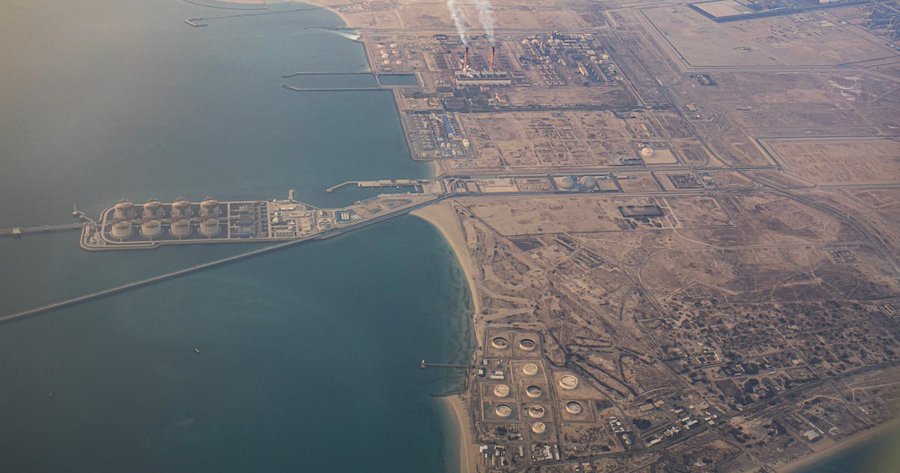
The war has had direct consequences on the country’s energy industry. Between March and May, in the midst of the hostilities, crude production fell by an astounding 70% before the upturn in June and July. In the 2026 fiscal year, Fitch expects production to average two million bpd, at an average price of $81.40 per barrel. Oil benchmarks worldwide have been trading around $80 a barrel, with the Houthis continuing to make their threats more real in the Red Sea.
Kuwait’s heavy buy-in on the Strait of Hormuz kind of means that the ongoing war will keep showing up as major export obstacles. Even if we see some limited normalization soon-ish, severe disturbances still look like a real chance. To steady the energy side, Kuwait Petroleum Corporation recently agreed on a $16 billion leasing arrangement with an investment consortium for its crude pipeline system. So, even with the damaged oil facilities, Fitch says it is still very confident in Kuwait’s ability to quickly bring production back once transit conditions finally start improving.
At the same time, Kuwait’s non-oil GDP is expected to remain in positive ground even with the wider economic slowdown. Inflation should nudge upward a bit this year, then ease off during 2027. This wider economic toughness is backed by continued public infrastructure spending, solid public sector hiring, and the Central Bank of Kuwait’s ongoing efforts to prop up the domestic banking sector.