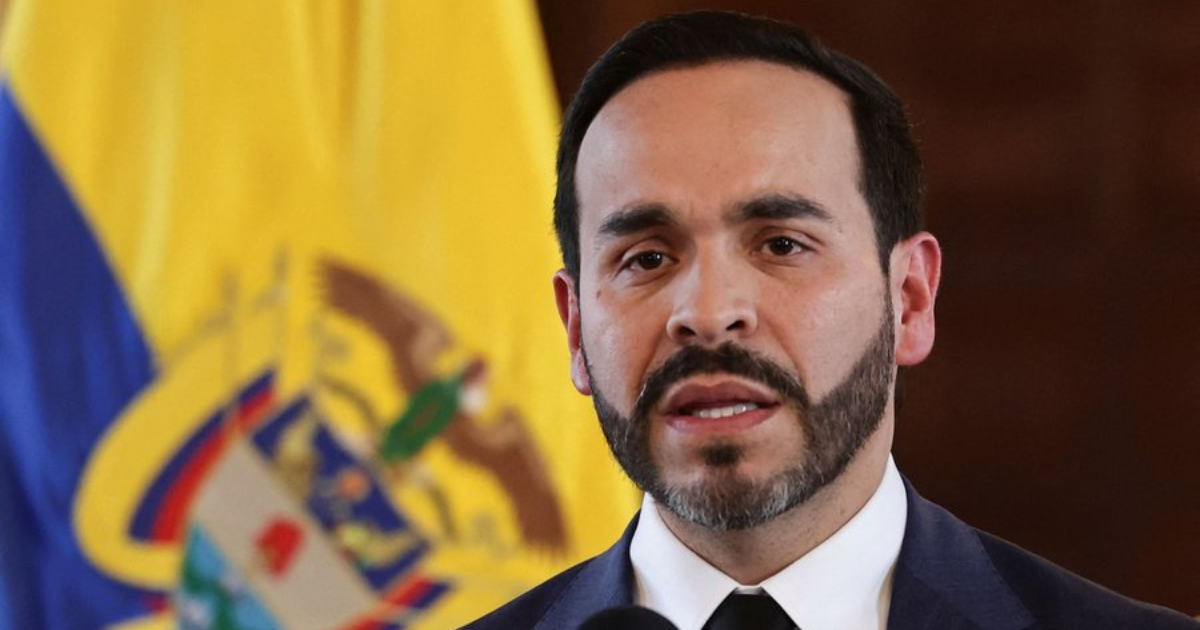
Under an unprecedented security umbrella, Colombia’s new president has been officially sworn in as such by Abelardo de la Espriella. The outspoken conservative lawyer is taking office with the promise of a sharp change in policy from the progressive predecessor, Gustavo Petro, and intends to be tough on rebel groups and deepen public spending cuts.
The new leader of the Government of Colombia decided to break with the tradition of political affairs, and so he inaugurated his government in the city of Cali, in the south of Colombia, instead of the capital Bogotá. The city has come to symbolise the struggle against drugs, and the city was a strong backdrop for his hardline stance against crime.
Security is as tight as it is in Cali to keep the incoming administration and the dozen or more visiting heads of state safe. About 11,000 soldiers have been mobilised, drones are forbidden, and private cars are not allowed to be used in the city for the time being.
The ceremony was a high-profile event, attended by several key international guests in the midst of a wider conservative trend in the region. Presidents of the Government of Argentina, Javier Milei; Ecuador, Daniel Noboa; Chile, José Antonio Kast; and the Spanish Royal Household, King Felipe VI, attended. The U.S. Department of Justice’s Acting Attorney General Todd Blanche was also in attendance.
Sweeping Security Crackdowns and Foreign Policy Shifts
In his inaugural speech, de la Espriella pointed to the loss of the country’s sovereignty without tight control over the rural areas and cities. He said he was canceling Petro’s controversial “Total Peace” policy, which he claimed enabled armed groups to rearm and grow stronger during the ceasefires granted by the government during the war.
The new administration’s concept of security is to meet the face to face the estimated 27,000 people involved in the armed conflicts with overwhelming military power. This involves the construction of new large prisons and the use of drones and aerial spraying to eliminate illegal coca crops, a controversial practice that was stopped more than 10 years ago because of the environmental impact.
De la Espriella is quickly getting himself on board with The White House’s foreign policy on the international scene. He strongly backs the Trump administration’s military action against suspected drug ships in the Caribbean and Pacific. Furthermore, he intends to speed up the extradition of rebel leaders wanted for their crimes, discontinue diplomatic relations with Cuba, and has successfully rebuilt relations with Israel.
At home, the president intends to address what is an exploding budget deficit and reduce government spending across the board by as much as 40%. Early cost-saving measures include the closing of 14 Colombian embassies in Europe, Africa and the Caribbean that is soon to happen.
Yet de la Espriella has many obstacles to overcome in a bid to carry out his ambitious plans. He is a winner of an extremely narrow margin, 1% of all votes cast, over leftist candidate Iván Cepeda, and will have to work the very divided Congress to effect more significant changes. In addition, Petro has denied the election results, making unsubstantiated allegations of election fraud, which could spur large-scale street demonstrations against the new government, analysts have warned.