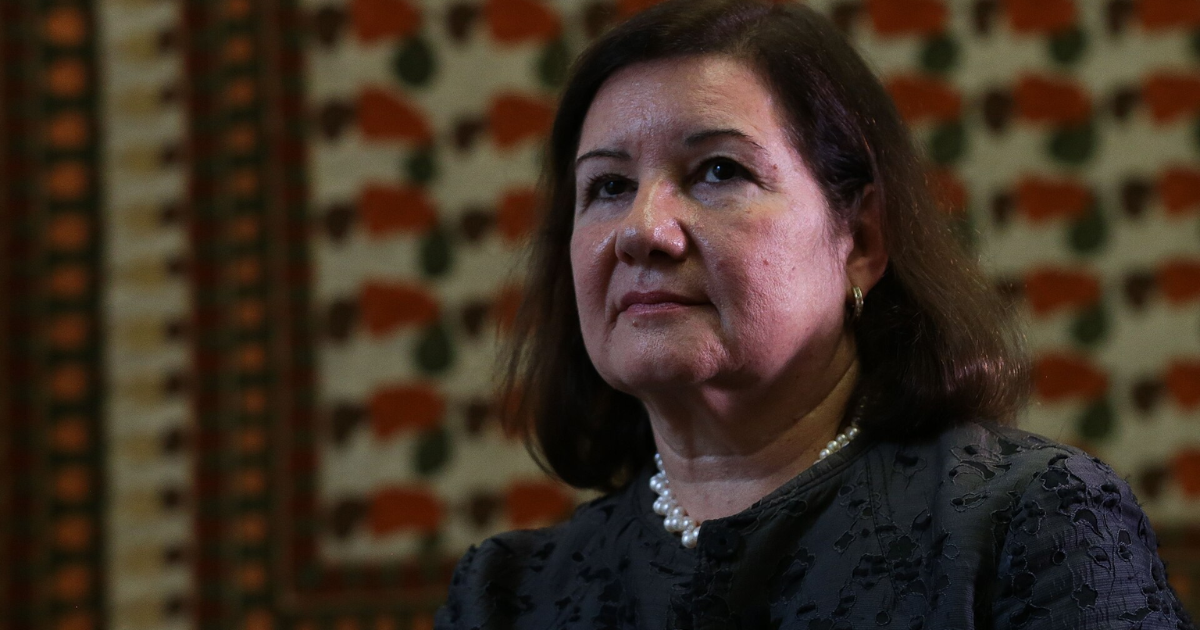
The United States has officially cancelled Brazil’s Ambassador to Washington’s visa, Maria Luiza Ribeiro Viotti. It is a major step up in diplomatic tensions ahead of Brazil’s elections. The decision comes after the Brazilian government rejected visas for two American officials that would have allowed them to travel to the country last month.
Brazilian President Luiz Inácio Lula da Silva alleged that the American officials were trying to stir things up in Brazil’s elections, an accusation that was met with scoffing from American officials. The visa cancellation is a reciprocal measure, but officials explained that if the situation doesn’t improve, “additional diplomatic measures” will be under consideration, which does not include a visa expulsion of Ambassador Viotti himself.
This visa battle comes on the heels of several recent skirmishes. The tensions have gradually been escalating since the U.S. reclassified several Brazilian gangs as terrorist organizations and reimposed tariffs on Brazil. The Brazilian presidency officially dismissed the U.S. reasons for the denial of the visa as “entirely false.
Election Integrity Concerns and Stalled Nominations
Riley M. Barnes and Samuel Samson, two State Department senior officials, were set to meet with Brazil to discuss the country’s freedom of expression and election integrity, which was the initial dispute. They met right-wing candidate and son of ex-president Jair Bolsonaro, who is incarcerated for a failed coup attempt, Flávio Bolsonaro.
However, recently, Flávio Bolsonaro claimed that Brazil’s voting machines originated from the ones used in Venezuela, basing his claim on a report from the CIA concerning electoral fraud. He followed up by saying he was just requesting the international observers, but the U.S. delegation’s visit was blocked by the Brazilian government. The trip was an ‘unacceptable’ effort to sow ‘doubt’ in the nation’s home political process, officials said.
Brazil’s Superior Electoral Court has repeatedly dismissed claims of the failure of the electronic voting system. The country is renowned in the world for its election infrastructure, which is considered one of the most secure systems in the world.
In the other diplomatic squabble, Brazil has stymied approval of Trump’s next U.S. ambassador. It’s a diplomatic courtesy that was not followed by the White House as it nominated Daniel Perez, a close ally of Secretary of State Marco Rubio, without his prior consent. President Lula has been publicly criticizing the U.S. for its growing political involvement in Latin America, as tensions escalate.