Oil prices plunged by more than 5% on Tuesday, hitting a three-week low following statements from Qatari and American officials. The comments held up hope for a diplomatic resolution to the ongoing clash with Iran that would help to restore key energy lanes through the Strait of Hormuz.
Brent crude futures fell $4.41, or 5.3%, to $79.36 a barrel during the trading session. Similarly, U.S. West Texas Intermediate (WTI) futures decreased by $4.57, or 5.7%, to close at $75.77 per barrel.
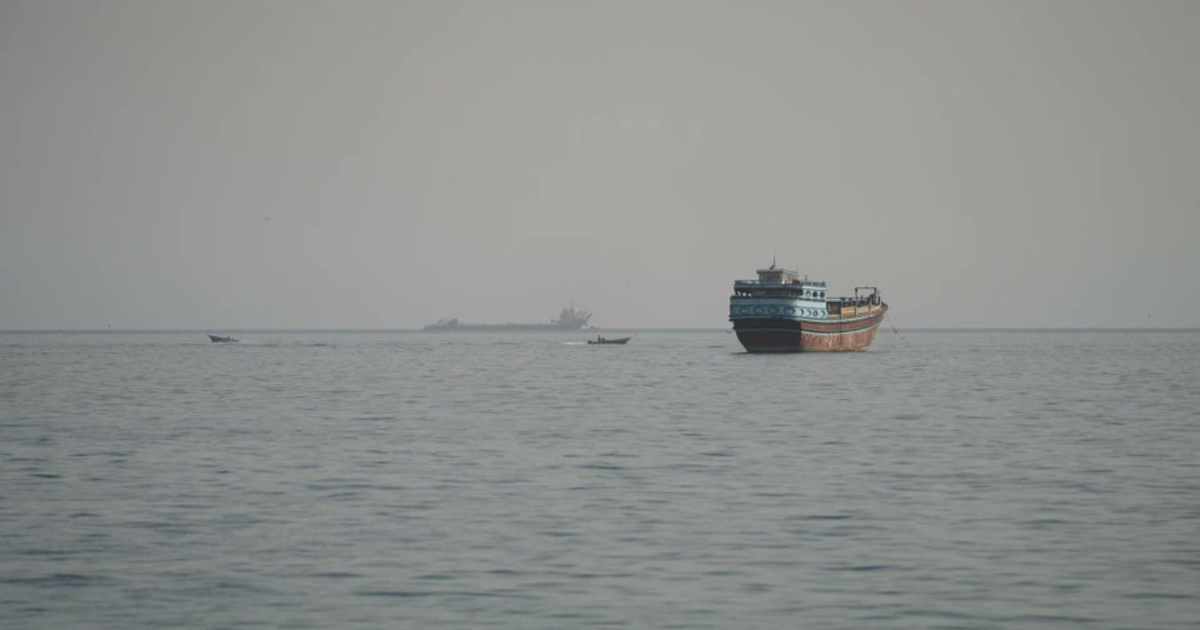
The market was buoyed by optimism that talks between Iran and Oman, and the United States and Oman, to boost the flow of ships through the strait have gone up. Treasury Secretary Scott Bessent of the U.S. Department of the Treasury said earlier in the day it could be concluded as early as Wednesday if a deal is reached to reopen the strategic waterway.
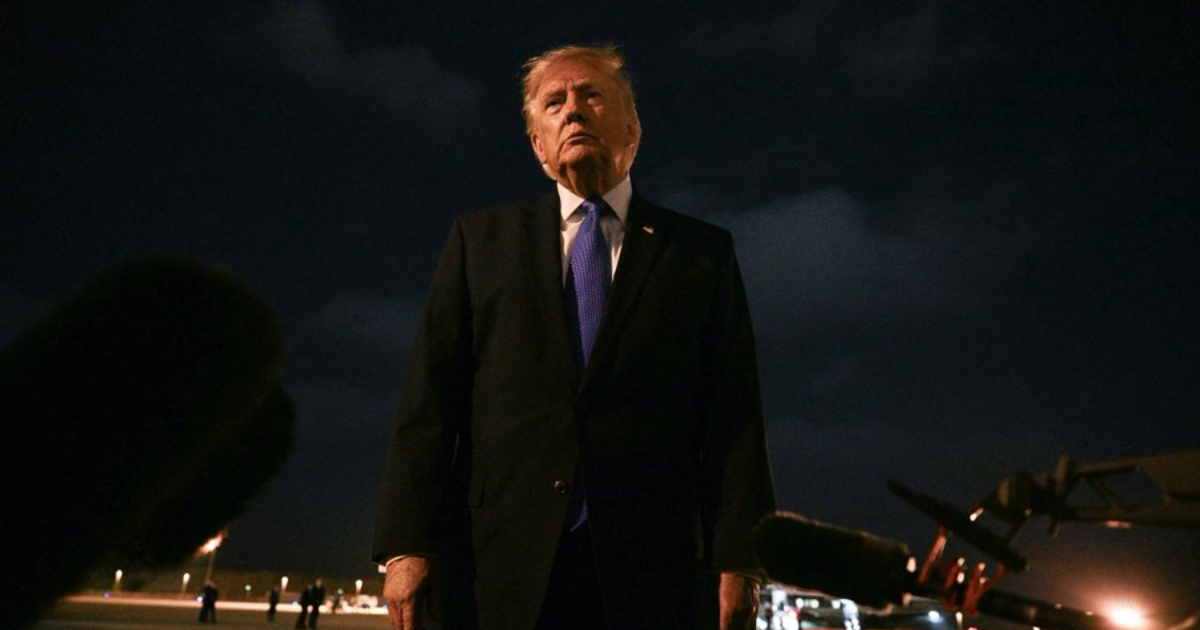
Meanwhile, a Qatar’s MFA official confirmed that efforts for a peaceful resolution are ongoing in high gear. The Emir of Qatar has been conversing straight with U.S. President Donald Trump to search out strategies to defuse the situation and forge a bridge between Washington and Tehran.
Navigating the Strait of Hormuz Crisis
With the peaceful option, the geopolitical risk premium in crude prices has been leveled after the U.S. started its bombing campaign last month. However, if negotiations stay on track to deliver real progress, there’s likely to be a significant drop in the market’s perception of supply chain risk, according to financial analysts.
The ongoing shipping disruptions have created a devastating impact around the world. Prior to the war, the Strait of Hormuz accounted for about 1/5 of the planet’s oil and gas. Saudi Aramco’s chief has recently claimed that the world has lost more than 2.6 billion barrels of oil since the war broke out in February, compelling the Middle Eastern countries to drastically reduce production.
In spite of the rosy diplomatic language, the volume of shipping through the Strait of Hormuz and through Bab el Mandeb is very depressed. Tehran is insisting on a supervisory role and intervention in shipments moving away from Iran for the resumption of shipping through the waterway, according to a high-level Iranian source.
In addition, a new round of U.S.-facilitated talks between Israel and Lebanon also began this week. In the meantime, big banks predict that the price of Brent crude will stay in the $80 to $90 range until a final deal is reached between the U.S. and Iran or serious hostilities begin again.