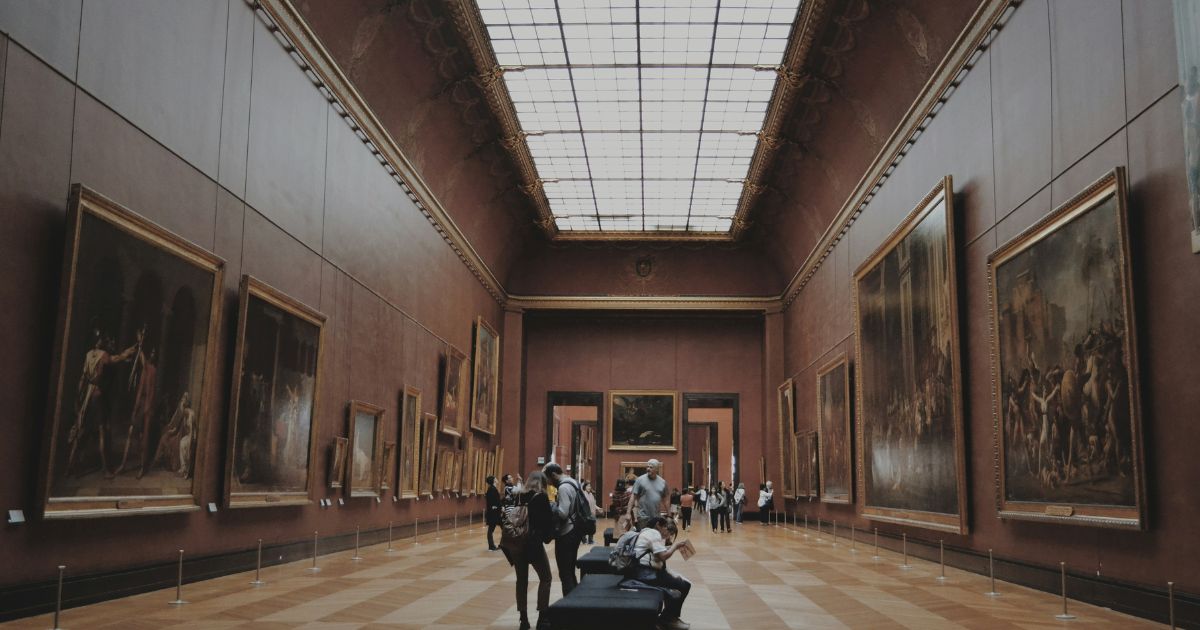
Social media creators are becoming more and more popular among museums, galleries and art institutions to reach new people and make art more accessible. Museums are taking a chance on young people who are spending more time finding culture online, trying out influencers who can provide a new, informal and very visual way to the exhibition, collections and art events.
Art lovers no longer have to read about a painting or sculpture or a historical piece of art in a museum catalogue or a specialist’s book to experience it; they can find the paintings and sculptures and historical items on Instagram, TikTok or YouTube with a short video. By narrating works of art, pointing out unusual details and offering personal reactions to the artworks, a creator can help make a museum visit a fun and interactive digital experience.
This can help to demystify the art world. Museums in the past have always been associated with formal language, the expertise of the academics, and carefully curated exhibitions. With a relatable tone and familiar cultural experiences, influencers can overcome that barrier.
Art-based producers also provide museums with viewers they might not otherwise see while in their buildings. A good social media video can have hundreds of thousands of views and motivate viewers who might not have ever been interested in visiting a museum and attending an exhibit.
It is a trend also indicative of a wider cultural transformation. More museums are turning to alternative advertising and public relations practices in order to create online communities. Synergies with creators can produce media coverage for temporary exhibitions, new series, special events and education initiatives.
For influencers, partnerships with museums provide an opportunity to combine entertainment with education. Art content may include a range of famous masterpieces, contemporary works, antiques, architecture, design and lesser-known historical objects. The informal format allows creators to tell stories that may not fit easily into traditional museum communications.
But with the rise of influencers there are also questions about their credibility and expertise. Engaging content is always important, but the duty also falls on the museum’s shoulders to present accurate information about artworks and cultural heritage. Creators, on the other hand, should not decontextualise a complex work or historical topic and only come up with a trick to attract views.
The best partnerships are likely to be a melding of the best attributes from both sides. Museums provide curatorial expertise, collections and any contextual knowledge, and creators provide their storytelling skills, personality and an understanding of digital audiences. In collaboration, they can bring art to those who would otherwise not be in the cultural fold.
But the transition to influencer-driven art content is not the end of traditional forms of education or scholarship in museums. But social media can be another door as well. A brief video can elicit interest in following up with an exhibition, a book about an artist or expanded art history learning.
Museums will likely continue to forge relationships with creators as digital platforms continue to shape people’s discovery of culture. The aim is not just to increase the visibility of art on the internet but to make cultural institutions more accessible and relevant to new audiences.
The outcome may be a more open art world in which museums, creators and audiences will interact beyond the traditional museum walls, by means of digital storytelling that will make art more accessible and engaging.