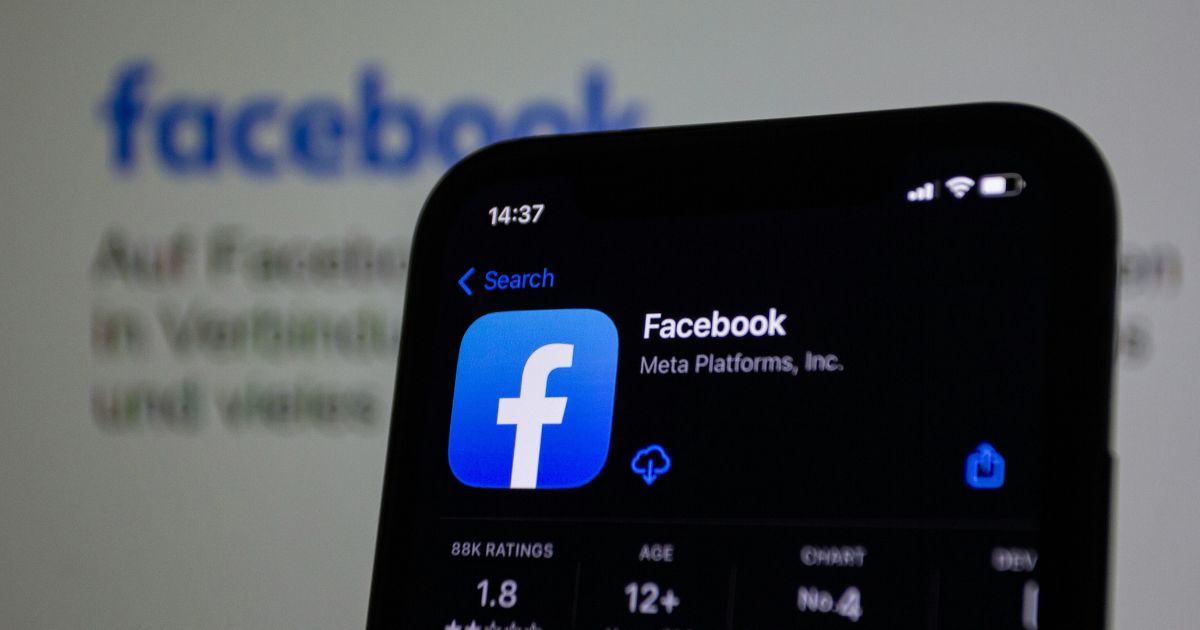
Beginning on July 27, adults will see a new Facebook verification badge available in various areas of the platform, including the new “real person” selfie verification, which will be free of charge.
A Meta spokesperson told Inc. that users who meet the criteria will be prompted on their Facebook profile, or in Marketplace, Groups, or Dating. The prompts will be released in the next few months.
Those will be followed by Feed posts to approved users and posted through the badge on those services. Meta is going to do a comparison of the selfie with existing photos on the user’s profile, which should take just a few minutes, according to the company.
The company will automatically remove the video selfie and facial information from the database 30 days after verification, while users will be able to keep the badge for their own, says the spokesperson.
Facebook Verified is not a paid subscription like Meta Verified, the company’s existing paid one.
The badge could be very useful on the Marketplace, where users often deal with people they don’t know. However, Meta emphasises it only verifies that the user has completed its selfie verification. It is not responsible for any endorsements made by the user or for verifying the listings of the users or for the trustworthiness of the users.
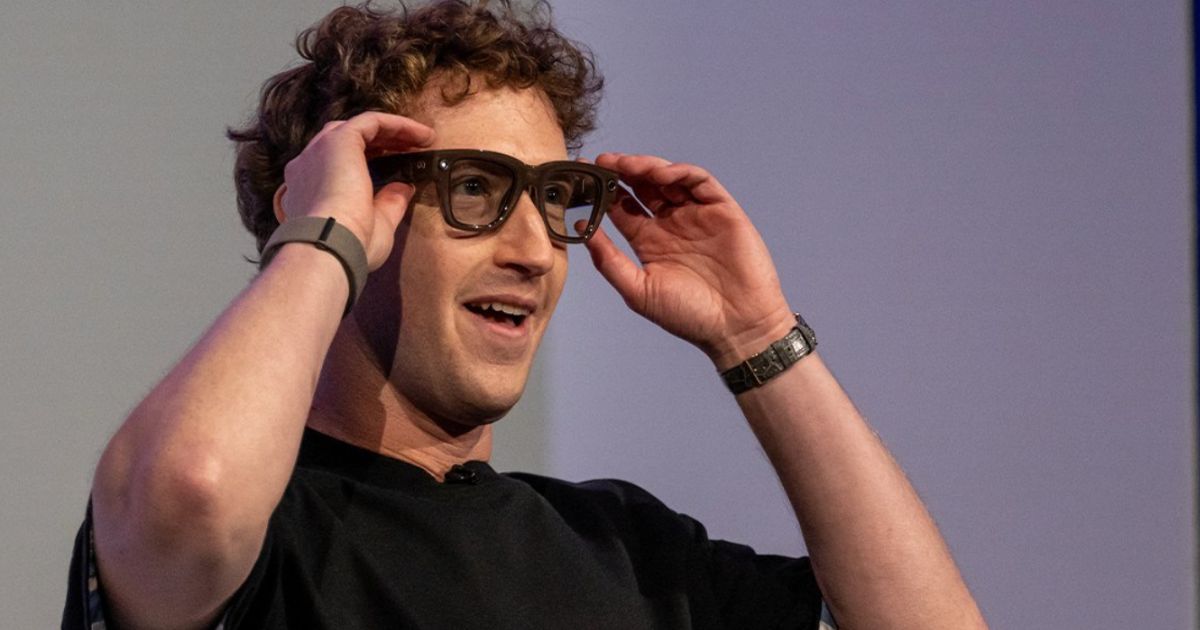
It is also the implementation of a new pitch by the founder and CEO of the most prominent social network in the world, Mark Zuckerberg from Meta. A day before Zuckerberg announced the badge, he announced a campaign saying that Profiles, photos, and messages are easier to fabricate as AI takes over, and Meta is “betting on people.”
Facebook’s CEO Tom Alison also viewed the badge as a step to maintain “real connections between real people.”
The user should be at least 18 years old and should not have any indications of scams, fraud, deceptive practices or other manipulation of the person. Unfortunately, pages and accounts in Professional Mode are not eligible.
If Meta is unable to verify a user, they will not get a badge, and they can attempt again later, the spokesperson says. If they fail the check, it will not be a bar to their use of Facebook otherwise.
A new trust signal
According to its published process, checking a government ID is not part of the process. It ensures that the selfie taker looks as if they are the person in the photo of the account. This could make it harder for profiles created using stolen or AI-generated faces, but it doesn’t prevent a seller from claiming they own an item, plan to ship, or from trying a payment scam.
The main problem it’s addressing is “a reputation and user trust problem,” said Andras Cser, vice president and principal analyst at independent research and advisory firm Forrester. Badges introduce friction and can create more trusted transactions, Baddeley said.
But Facebook Verified is not a formal know-your-customer rule applicable to regulated industries, Cser said.
Other platforms have already made verification an engagement signal. According to LinkedIn, over 100 million users have added verification, and these verified members get up to 60% more views of their profiles and 50% more engagement on their posts. According to Tinder, its video selfie system has cut down more than in half the amount of interactions with bad actors in markets it operates in.
Even if Meta does not actively endorse verified accounts, Facebook Verified may still give a commercial edge to the marketplace buyers: buyers might just prefer to buy from a seller that has the badge. According to Meta, the site receives 430 million item listings and 44 million vehicle listings monthly across the world, and one-third of the U.S. Millennial population on Facebook checks it every day.
Meta claims verification won’t impact a user’s visibility, recommendations, distribution, or ranking, even on Marketplace. Tap on the badge for information about what it is, and what it is not.
In addition, Meta is introducing Seller, a standalone app for iPhone that is designed for high-volume US Marketplace sellers. It has a unified inbox, AI-generated listings, inventory tools, and performance data. Meta says that its users are people who have side hustles or small businesses, and it is also looking into the possibility of enabling businesses to be listed directly on the Marketplace.
The fraud problem
The verification push follows as Facebook continues to be a key source of fraud. The Federal Trade Commission found that consumers lost more funds in 2025 due to Facebook scams than any other social-media platform. Across social media, losses reported amounted to US$2.1bil (RM8.57bil), of which the top category reported was shopping scams.
Facebook’s comeback to a kind of facial recognition isn’t without baggage either. In 2021, Meta closed down its wide-spectrum facial recognition platform, stating that it would remove over one billion facial templates due to regulatory uncertainty and societal concerns. It maintained its limited applications, such as identity verification and fraud prevention.
The program could be a good use of biometrics, says James E. Lee, president of the nonprofit organisation that helps victims of identity theft and fraud, the Identity Theft Resource Centre. But not enough details have been released to “judge the effectiveness” of the program.
“Obviously, though, there will be a professional hacker somewhere in the world who’s working on a way to scam this system or ‘get through’ to a verified profile,” Lee says.