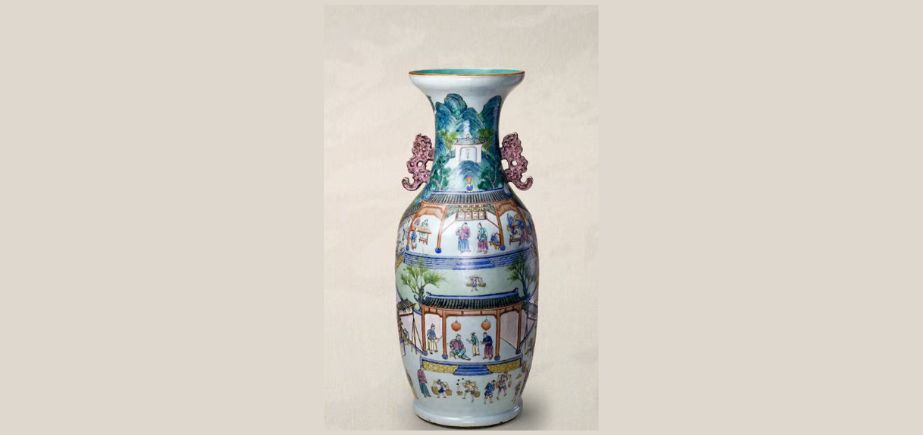
China’s Jingdezhen Handicraft Porcelain Industry Sites were inscribed on the World Heritage List on 25th July. The porcelain industry is hopeful that porcelain can serve as a bridge to unite cultures and promote exchange between China and the rest of the world.
The serial property portrays the evolution of the production of handicraft porcelain from the 10th to 19th centuries that had profound industrial, artistic and trading influences in China and globally.
The five component parts reflect the processes of the production of porcelain, including the extraction and transportation of raw materials, innovations in kiln design and the spatial and social organisation of production on an immense scale.
Within the town area, there were the Imperial Kiln and civilian kilns, guilds and merchant associations. Jingdezhen was the seat of technological innovation in the manufacture of porcelain, and introduced the “binary formula” (kaolin + porcelain stone).
The highest quality porcelain was made at Jingdezhen, and its blue-and-white porcelain and designs were a valuable and coveted world trade goods and a symbol of Chinese culture and artistry.