As the U.S. keeps up its military attacks on Iran, the Middle East is also dealing with heightened geopolitical tensions along Lebanon-Israel borders.The Middle East is now experiencing escalating tensions due to the United States’ continued military attacks against Iran, as well as a dispute between Lebanon and Israel over the borders. Meanwhile, at a higher level, efforts are also underway to secure critical support from Washington from Lebanese President Joseph Aoun.
Navigating Escalating Conflicts and Diplomatic Efforts
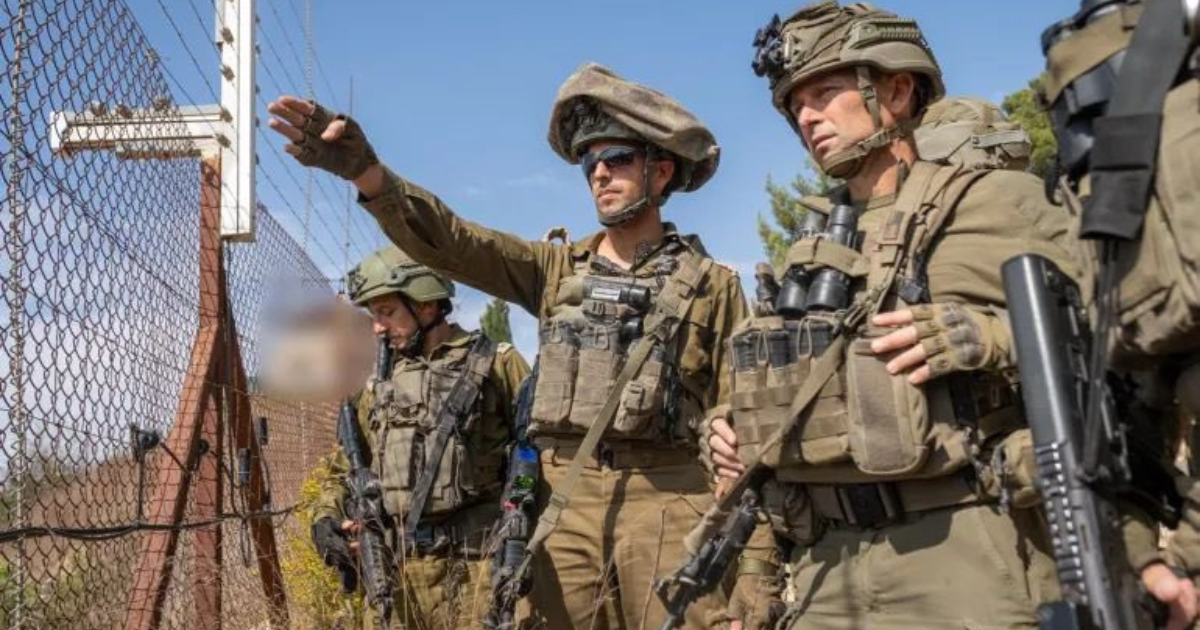
Israeli forces also came under fire from Lebanese military forces in the southern province of Lebanon, where the army announced that Israeli forces fired near the Lebanese military forces that were deployed in a designated “pilot zone” in the area. This zone was established under an agreement under pressure from the USA, which was intended to end the occupation by Israel. The Israeli military responded that it had “warned” the Lebanese troops by firing in the air, as they had “crossed an area outside the agreed upon area for pilots.
On the diplomatic line, Lebanese President Joseph Aoun met US President Donald Trump in the White House where he sought American support for the Lebanese Armed Forces (LAF). Aoun requested that Trump continue to back the LAF in order to avoid another era of chaos like that of the 1970s and demanded a total Israeli pull-out from Lebanese territory. He then wrote his heartfelt gratitude for the friendship of America in the official Guest book.
Trump has pledged strong support, saying that Lebanon has been mistreated, and they’ll now be treated properly. After the meeting, Trump allowed the direct flights between the United States and Lebanon to resume. Some are seeing this bilateral meeting as a major setback for Israeli Prime Minister Benjamin Netanyahu and the meeting as a major diplomatic moment were highlighted by the international observers.
But U.S. Central Command (CENTCOM) said that it is launching its 11th night in a row against military installations in Iran. The operations are designed to make Iran unable to pose a threat to commercial shipping in the Strait of Hormuz. Trump said the US isn’t done with Iran and that it would take “up to 25 years” to rebuild the country from the damage it has suffered.
Unfortunately, DOD confirmed that another serviceman is dead after a recent Iranian attack on a U.S. base in Jordan, Sgt. Angel S. Rampersad. She is the first civilian casualty among U.S. troops in the direct action by Iranian forces in this conflict, joining 1st Lt. Tyler James Feehan and Pvt. Isabella Gonzales. The total death toll for the U.S. military has risen to 17, and more than 100 have been injured since early July.
The economic costs of the war are increasing too. Defense Secretary Pete Hegseth put the price tag at $37.5 billion for the U.S. war in Iran to-date. Hegseth will appear before the United States Senate Appropriations Committee, where legislators will grill a Republican budget plan to fund another $70 billion for war. Senator Patty Murray was concerned with the budget request, saying the spiraling situation could become “another forever war.
In response to the U.S. action, Iran’s military threatened to make “counter-attack” if the U.S. attacks its nuclear facilities, particularly against “U.S. and allied forces,” in reference to Trump’s remarks of the possibility of targeting Pickaxe Mountain. Trump also strongly affirmed the U.S. would retaliate if Iran-backed Houthis rebels carry out their threat to close off trade through the Red Sea.
This regional instability is having an impact on neighbouring countries more than ever. Kuwait called the Iranian ambassador to denounce an attack on its Kaifan tanker in the Strait of Hormuz, which injured several crew members. Kuwait also claimed that Iran has attacked its power and desalination plants. Meanwhile, Iraq’s cabinet gave its state marketer SOMO permission to import gas oil to fill the vital energy sector requirements of the country.