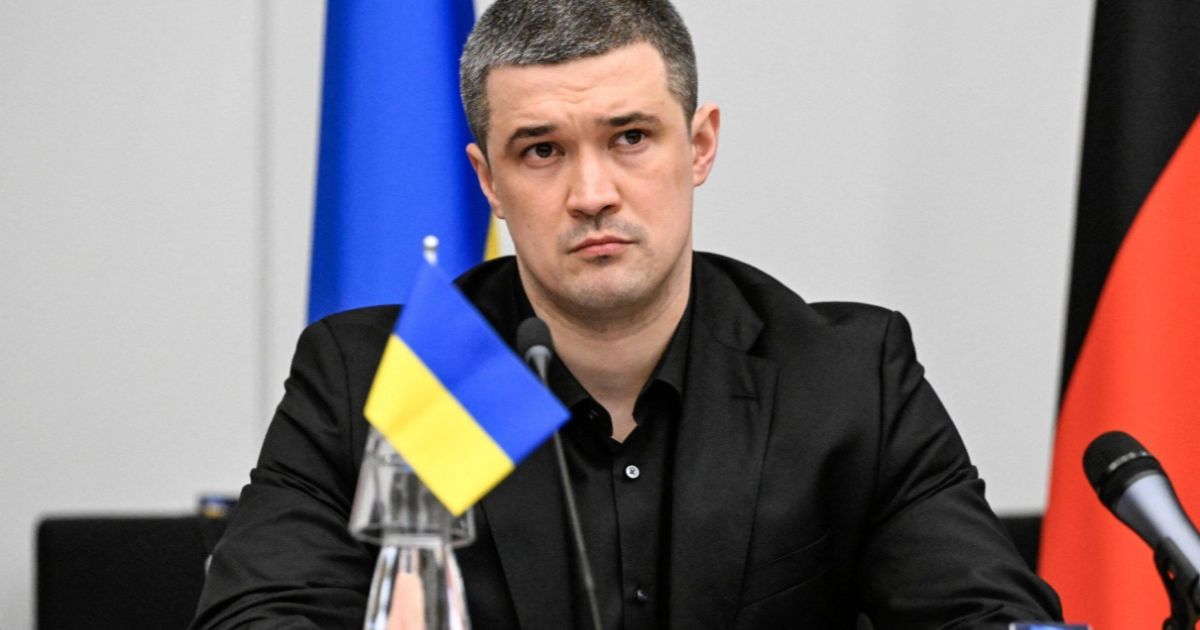
The resignation of defence minister Mykhailo Fedorov by Ukrainian President Volodymyr Zelensky has sparked condemnations, protests in several Ukrainian cities, and worries among lawmakers and military personnel.
For the most part, the protesters were young with banners that read “Hands off Fedorov” and “Stop sabotaging victory!” and they chanted “Shame!” in various cities, including Kyiv. The protesters state that Fedorov’s dismissal could have a negative impact on the military reforms of Ukraine in the current war with Russia.
Later on Thursday, Zelensky announced the acting head of Ukraine’s Security Service (SBU) as acting defence minister: Maj. Gen. Yevhenii Khmara. The president credited Khmara with his skills in “modern warfare”, stating that he had “extensive and unprecedented experience with technological combat operations.
The move came after Ukraine’s military leaders and Fedorov have been facing growing tensions over the past few years. At a press conference, Fedorov indicated that he suggested replacing Commander-in-Chief Oleksandr Syrskyi and Chief of the General Staff Andrii Hnatov with Zelensky. Zelensky admitted that the negotiations between Syrskyi and Fedorov needed his personal involvement, while also saying that the differences between the defence ministry and the General Staff have become “systemic”.
According to Fedorov, he had been ready to stay with Syrskyi after Zelensky had promised the commander to stay on, but he alleged that almost all of his ministry’s reform ideas were rejected.
Rather than finding an asymmetric way of overcoming Russia, he’s found a way of dividing it, Fedorov said, referring to Syrskyi.
Syrskyi, in turn, wrote a short message on Telegram, congratulating Ukraine on defending Kyiv in 2022 and saying he would keep an eye on the conflict but hope for Fedorov’s success.
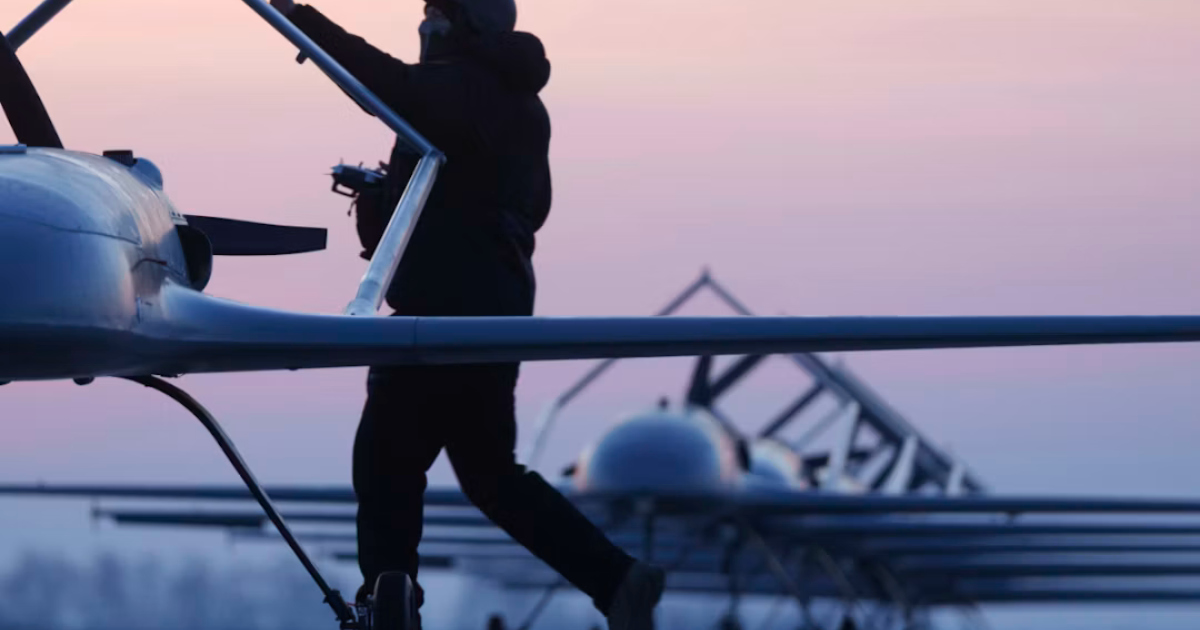
In January, at the age of 35, Fedorov was appointed defence minister, and soon was known to be pushing for modernisation, reducing corruption and introducing data-driven decision-making into military operations. Prior to his appointment as defence minister, he was the minister of digital transformation of Ukraine, where he participated in the formation of the volunteer “IT Army of Ukraine” and led an effective initiative called “Army of Drones”.
He has since been a strong advocate for the use of drones, technology and quick procurements, having been defence minister. He has also been involved with SpaceX founder Elon Musk in efforts to restrict the use of Russia’s Starlink satellite service for drone operations, reportedly to the detriment of Russian frontline operations. The ministry also had an important role in the drone attack launched by him on Russian Crimea in Ukraine.
Zelensky later explained that Klymenko was one of several candidates being considered for the role of an Interior minister, but that no formal nomination had been submitted to parliament.
In addition, the reshuffle had parliament approve Serhiy Koretsky, the former head of the state oil and gas company, as Ukraine’s new prime minister after the resignation of Yuliia Svyrydenko earlier this week.
Fedorov revealed Zelensky had offered him a job as a presidential adviser, but he rejected it. He insisted he was not against the president, but still hopeful Zelensky will find a solution to the issue.
“It is weighing on my conscience now; I believe it’s Zelensky that hasn’t decided for himself yet on which side he is going to be in the war with Syrskyi,” Fedorov said.
There was widespread condemnation by soldiers and civilians of the dismissal. According to Ukrainian soldier Oleksandr, it is “the worst mistake Zelensky has made during his presidency,” as he joined the army believing in Fedorov’s vision.
In a protest in the centre of Kyiv, 31-year-old Maria Lavrynets argued that the former minister had won the public’s trust through the concrete results and the improvement of the morale of soldiers. Zelensky responded by saying he understood the concerns of the people and was listening to the reaction of society.
After his resignation, Fedorov wrote a Facebook post, detailing his accomplishments and promising to continue to work on Ukraine’s defence through innovation and technology. Former adviser “Flash” hailed the opportunities Fedorov opened up for technological innovation, and prominent military blogger Serhii Sternenko called him “the best defence minister in our history.
The response was carried over into the military. The man, known as Pavlo Yelizarov, is a retired well-known drone unit commander who, upon resigning as deputy commander of the Ukrainian Air Force, publicly decried the dismissal of Fedorov as “a great evil for the country’s defence capability.
The issue reflects emerging splits among the country’s wartime leaders as it strives to balance military modernisation with the needs of its current war with Russia.