The United States further steps up the pressure on Iran with military strikes on the fifth consecutive day.
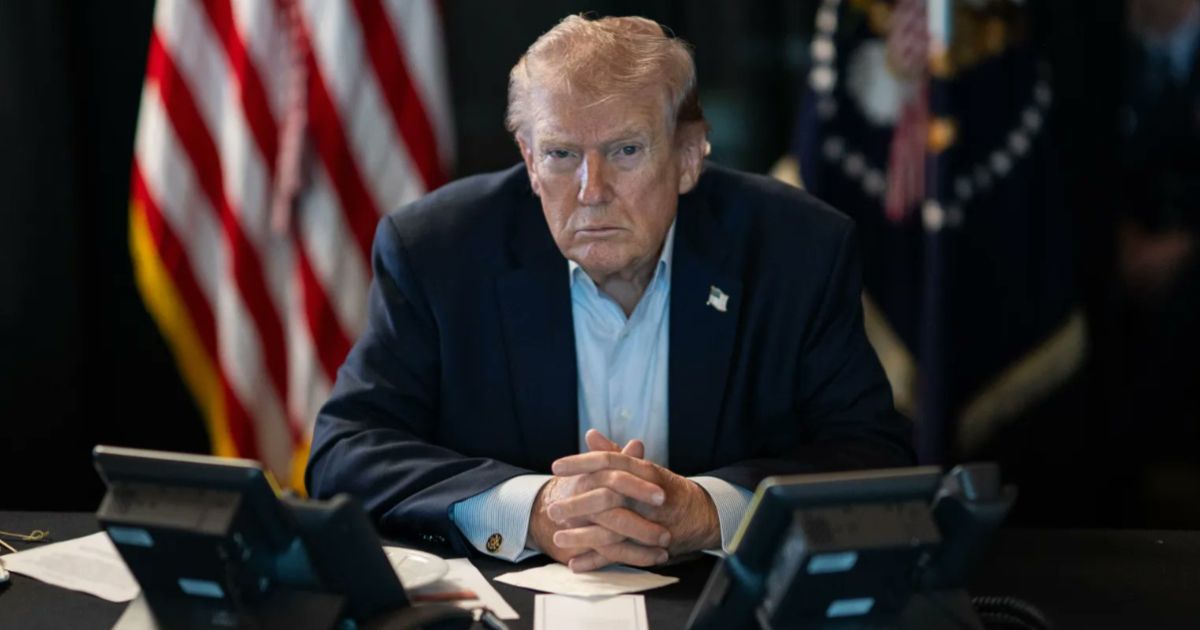
On 15th July, tensions between the U.S. and Iran grew still further, with the U.S. military conducting a second strike on Iranian capabilities in and around the Strait of Hormuz and President Donald Trump reportedly mulling a wider military campaign against Iran.
The latest strikes are the fifth in a string of US strikes on Iranian targets over the past five days. The strikes were meant to diminish Iran’s capacity to attack commercial and military vessels that travel through the Strait of Hormuz, one of the world’s most vital shipping lanes for oil and gas exports, according to the Pentagon.
Sources close to the president told CNN that Trump is considering other military measures and is worried that the conflict may escalate over the next few days.
Air Defences activated in Tehran
According to Iran state media, air defence systems were engaged in parts of Tehran early Thursday morning. People in several places of the capital reported hearing loud explosions before dawn.
The new developments coincide with the growing doubts about the prospect of diplomacy. Diplomatic channels remain largely closed as Tehran has no plans to open talks with Washington so far, an Iranian Foreign Ministry spokesman said Wednesday.
The renewed military exchanges have raised concerns over the possibility of escalation in the region, especially because of the strategic significance of the Strait of Hormuz. The small waterway is a vital conduit to roughly one-fifth of the world’s oil supply, and any disruption is a concern for global markets.
US Navy tightens blockade
The United States military also said it had thwarted an empty oil tanker bound for Iran’s primary oil-export terminal, Kharg Island, which is a key source of income for the nation.
It’s the first vessel that’s been disabled since the U.S. restored its naval blockade in the region. The action was part of a series of moves aimed at curbing Iran’s sea power and imposing restrictions on vital shipping routes, officials said.
Kharg Island is the key to Iran’s export of energy, and if it is constantly affected, it will impose extra pressure on the already struggling Iranian economy, which has been under years of sanctions.
Iran frees its American captive
But despite the escalating tensions, there was a rare development in the diplomatic realm, as President Trump said Iran had freed an American woman detained since December 2024.
The news was posted on social media by Trump, who credited Tehran for a “gesture of goodwill. There are no details at this time about the circumstances in which the woman was detained or any possible agreements that were made between the two countries.
The announcement is timed as Washington and Tehran have a highly strained relationship, and the two sides have exchanged military and political threats.
Regional Concerns Grow
Continued strikes by the US, Iran’s unwillingness to negotiate and the naval blockade are heightening concerns of regional and international observers. Any other military incursions in the vicinity of the Strait of Hormuz may have a negative impact on the energy markets and further increase the volatility in the Middle East, analysts fear.
But at the moment, Washington and Tehran seem intent on clinging to their positions, meaning the outcome of the crisis remains uncertain as the conflict enters a potentially more dangerous stage.