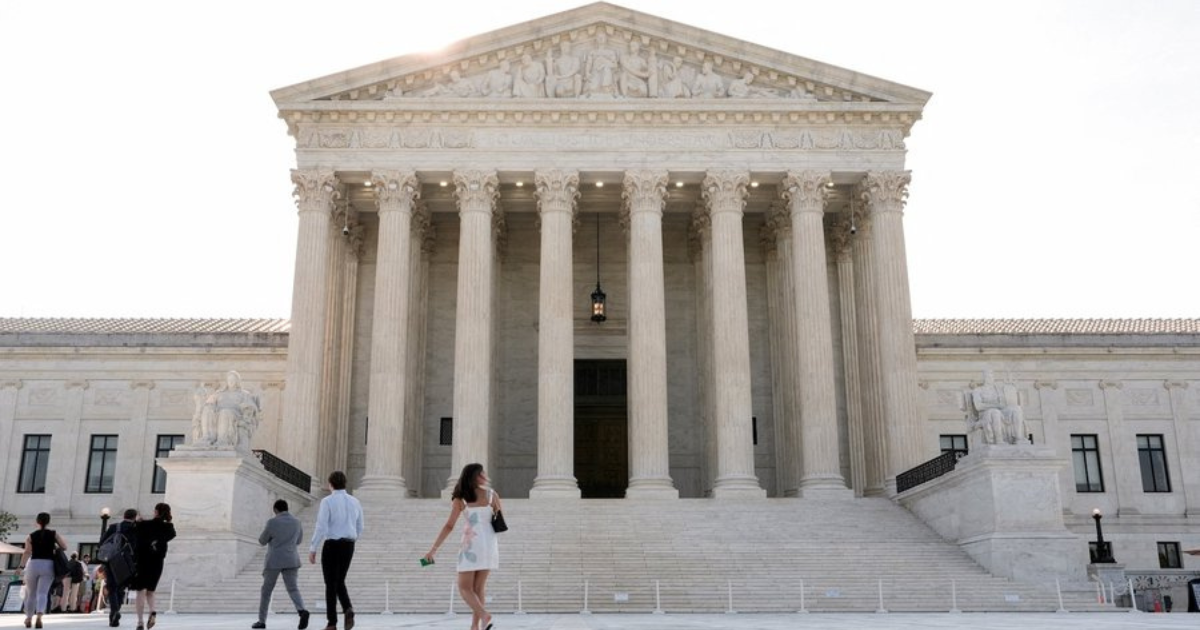
The Supreme Court has, in a landmark judgment, relaxed the guidelines on financial and organizational coordination between the political parties and their candidates. The conservative majority ruled that the former federal limits were a violation of the First Amendment to the U.S. Constitution, which guarantees freedom of speech.
In a majority opinion, Justice Brett Kavanaugh said all political parties are now on a level playing field and can coordinate under the same rules. Parties are entitled to run their fundraising and political communication in an equal fashion, he said.
This ruling effectively amounts to “free speech” for campaign contributions, legal experts say. The decision marked a bad development in the fight to reduce the power money holds in today’s politics, says Eric Segall, a law professor at Georgia State University.
Impact on the Upcoming Midterm Elections and Donor Influence
The ruling is expected to help the Republican Party in the coming November midterm elections, according to analysts. National GOP committees now have a huge cash cushion over their Democratic counterparts—and they can start using it now.
With this change in the Federal Election Commission landscape, political groups will be able to spend unlimited amounts of money directly with candidates. Most importantly, this enables parties to buy television advertising at the lowest prices ever available, which are normally only offered to individual candidates.
Chair of the Republican National Committee Joe Gruters offered a commendation for the decision. Now the party can track campaigns on the candidate level, give very direct advice, and allocate resources in total synergy with the candidates,” he said.
But Democratic leaders and campaign finance reformers have strongly criticized the ruling. The Democratic National Committee and its congressional campaign arms issued a joint statement that the decision was “a win for the billionaire donors and an invitation to political corruption.
While individual donors continue to be allowed to donate to certain candidates, critics say that the wealthy donors can easily get around that by giving lots of money to the political party. This system also gives those with the strongest economic resources an added way to easily convert their wealth into political power, said Erin Chlopak with the Campaign Legal Center.
The implications of the decision will soon be at play in vital battleground states. For instance, Texas Senate incumbent Jim Talarico, a Democrat, is leading Republican Ken Paxton in fundraising. The old limitations have been removed, and national Republican committees now have the option to directly offset that financial benefit by providing unlimited, coordinated national funds.