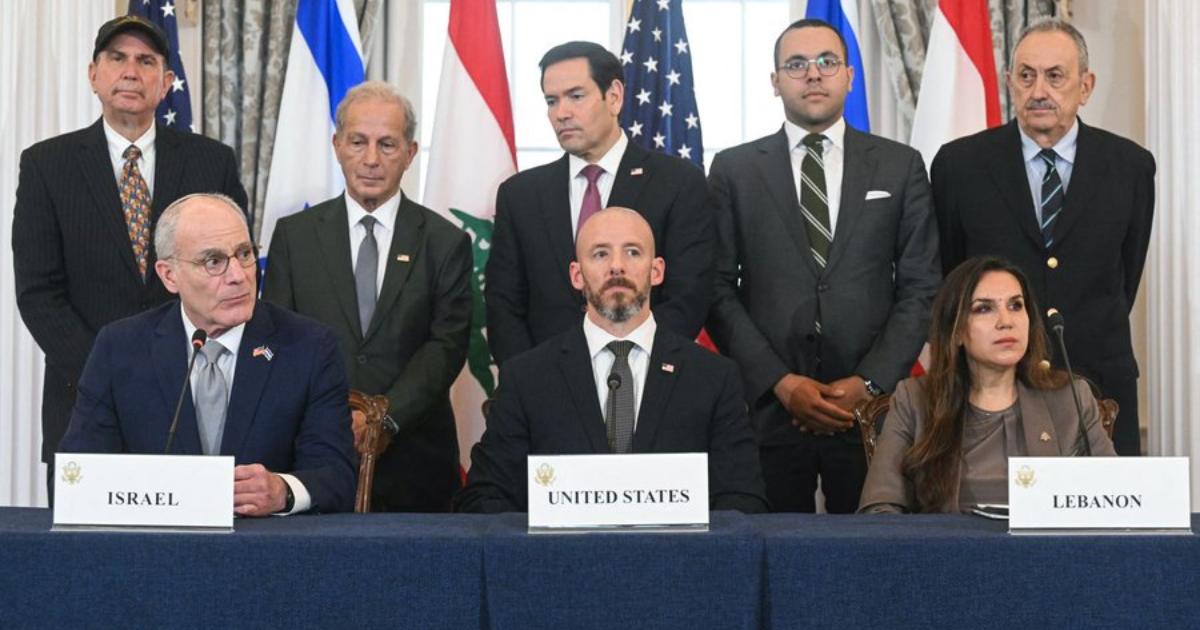
Even though the discussions were kind of steered and mostly filled by a separate geopolitical arrangement, Lebanon and Israel are starting a new stretch of direct negotiations in Washington. And even with the whole controversy around Iran, including Lebanon in its continuing dialogue with the U.S., Beirut still seems pretty set on pushing forward, resolute and undeterred.
Lebanese officials believe the only way to resolve the devastating war that has been raging since March is through direct talks with Israel. The conflict that was sparked by Hezbollah’s shooting at Israel in favour of Iran has led to the massively disproportionate air and ground warfare that has resulted in more than 4,000 deaths in Lebanon.
Four rounds of talks aimed at a lasting ceasefire have stalled, but the longest lull in fighting appeared to be this week. It was a period of peace brought about by a memorandum of understanding with Iran and the United States that called for a cease-fire on all fronts.
Still, this kind of deal has basically given the hardline, Iran-backed Hezbollah movement more confidence—enough to go ahead with military actions while also, at the same time, seriously weakened the Lebanese government. Lebanese officials, including President Joseph Aoun, have said more than once that Tehran doesn’t have the mandate, or the authority, to negotiate for Lebanon.
The current negotiations, President Aoun said, have moved to “get the best of the Lebanese people. He guarantees Lebanon will not accept anything other than an Israeli withdrawal from the south and the immediate end of all foreign tutelage.
Seeking Sovereignty and Navigating Ceasefire Demands
The ongoing negotiations are between political and military representatives of both nations, the report said. The one common objective is to push for the implementation of a comprehensive peace agreement, which will pave the way for the conclusion of the conflict between Israel and Lebanon through negotiations between the two nations as independent states.
Even in this optimistic light, some Lebanese officials are highly skeptical about the three days’ summit. They claim that the recent U.S.-Iran agreement has taken away the Lebanese state’s leverage, creating a very weak diplomatic position.
One of the main demands pushed by Beirut in these talks is for a “reasonable” timeframe in which to see Israeli troops pull out from southern Lebanon. This interest is seen as the sole avenue of momentum and a pushback against Iranian encroachments in the country, particularly given previous statements by Israeli officials that they planned to keep troops there indefinitely.
In contrast, the Israeli government has other expectations. So far, official Israeli statements have made it clear that Israel considers Hezbollah to be the only obstacle to a deal and is determined to make sure that it is completely disarmed and dismantled.
This presents a precarious situation for Beirut, which has tread carefully since 2025 to disarm Hezbollah without sparking a civil war. Hezbollah has been actively opposed to disarmament, encouraged the government to not do direct negotiations, and it is still using Iran as a facilitator for Israeli withdrawal through other means of diplomacy.