Washington is preparing to brief regional allies this week on a plan to reach a peace deal with Iran, but as the Gulf Arab nations grow alarmed by the prospect of too many compromises to Iran, a top U.S. official is set to go to the region and brief those leaders on the U.S. proposal. Critics are worried the deal would bolster Iran’s regional influence, alter the security dynamics of the Middle East and impact on global oil markets.
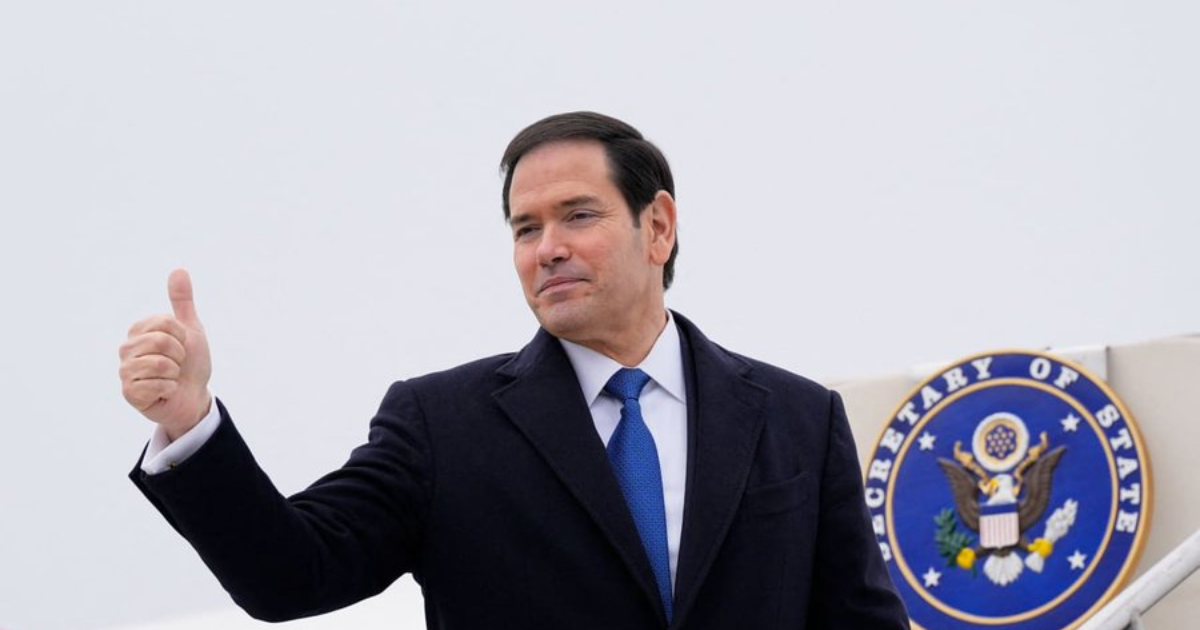
The top diplomat from America came on Tuesday to the United Arab Emirates and will head to Kuwait and Bahrain for meetings with the officials of the Gulf Cooperation Council (GCC). Saudi Arabia, Qatar and Oman are part of the GCC, or the Gulf Cooperation Council, a group of monarchies.
When asked if he was going to speak about the allies’ concerns about the agreement, Rubio told reporters the issue would “most certainly come up in these discussions.
Addressing Security Fears, Reconstruction Funds, and the Geopolitical Balance
The core of the concern in the draft agreement has to do with the absence of restrictions on Iran’s ballistic missiles. A plan to rebuild Tehran and provisions that could increase Iran’s influence over vital oil shipping routes such as the Strait of Hormuz are also much on regional leaders’ minds. Rubio did specify, however, that Iran would not be allowed to levy shipping tolls in the Strait, which would be contrary to international law.
In the recent war between the U.S. and Israel against Iran that has lasted four months, the U.S. and Sunni Gulf states have been pursuing the same objective: to neutralize Iran’s ballistic missile capacity. But the existing memorandum of understanding (MoU) doesn’t include any reference to missiles, and has come as a surprise to regional diplomats on the inside.
During his visit, Rubio said he would not request the help of regional allies for a $300 billion reconstruction fund, although the MoU indicates that the regional countries may eventually have to foot the bill. He stressed that “financial support is “far down the road” and is entirely dependent on Iran’s future actions.”
The six GCC countries are strategic partners who supported the region during the recent war with Iran, and helped to stabilize conditions on the ground. The UAE, Saudi Arabia, Qatar, Kuwait, and Bahrain all have U.S. military bases as the cornerstone of the American security network in the Middle East. If such a change in defense relations is a subtle shift on the part of these countries as a result of the MoU, it may have a significant effect on overall American military strategy.
Rubio’s journey is one of balancing. But recently, Rubio has been staying out of the Iran talks, letting Vice President JD Vance and other administration officials handle most of the talking, and he’s not going to be able to do much to ease the fears of those allies without singling out the MoU for criticism.
Despite claims by some of Trump’s own Republican supporters that the administration caved to Tehran, the president who signed the accord last week is strongly supporting it. Rubio could defuse tensions by reminding allies of Trump’s track record of hawkish policies toward the Islamic Republic, former National Security Council official Andrew Peek said.
Weighing into regional concerns is more than just threats coming from the military. The U.S. is also indicating it is open to a wider-reaching diplomatic overhaul with Iran. Washington is ready to “fundamentally transform” its ties with Tehran, Vice President JD Vance said, sparking worries among some Gulf allies about the long-term strategic implications of stronger ties between the U.S. and Iran.
Gulf states fear a well-funded Iran will spend reconstruction funds on rebuilding its military and proxy groups in the region instead of investing in its domestic economy. Bahrain’s Sunni-led government is especially concerned that an assertive Iran could encourage the 70% Shi’ite majority to rise up in protest like the mass demonstrations of the Arab Spring.