US consumer prices kind of accelerated in April, and they hit the quickest growth rate since May 2023. The Consumer Price Index , or CPI , rose to 3.8% in the past 12 months, mostly because of economic ripple effects tied to the ongoing war in Iran.
This new number also ends up being the top inflation pace the country has seen since prices brushed 4% about three years ago.
The Economic Impact: Soaring Prices at the Pump and Grocery Store
According to the Bureau of Labor Statistics (BLS) almost half of the recent inflation spike can be tied pretty much straight to surging energy costs. Housing expenses and also grocery spending were involved in a big way too, helping push the overall index upward, sort of like a domino effect
The US-Israel conflict connected with Iran has in practice shut down the important Strait of Hormuz. With that disruption hitting major shipping lanes, global oil prices have jumped hard and fast, a huge spike all at once
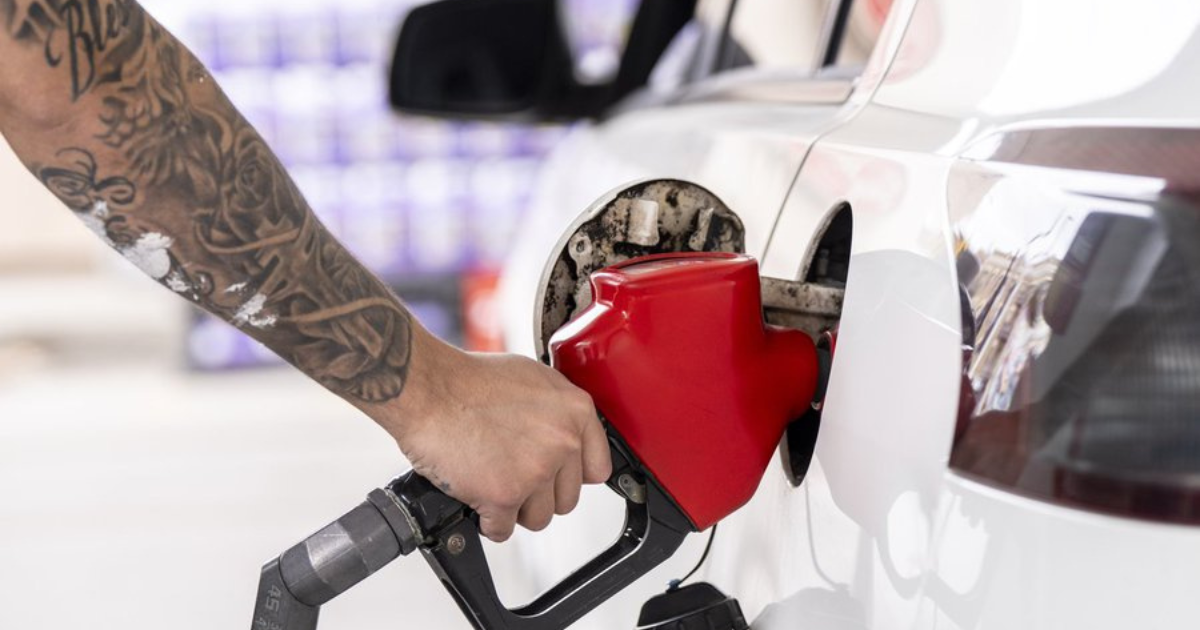
So, Americans are definitely feeling it , especially when they pull up to the gas pump. Numbers from the motoring group AAA show the national average for a gallon of unleaded gasoline is now $4.50 , the highest level since July 2022
Travelers are catching the worst of these energy jolts as well. Because jet fuel prices shot up with the shipping lane closures, US airlines have quickly offloaded those added costs onto consumers, and average airfares jumped by 20.7% just in April
While new car prices slid a bit down, most other day to day costs, like clothing kept climbing. Importantly, April was the first time in three years where inflation managed to get ahead of wage growth, like not just by a sliver either; prices jumped 3.8% versus a 3.6% rise in average paycheck amounts.
Political and Market Fallout Ahead of the Midterms
The sudden jump in March’s 3.3% inflation rate, it really, quite messes up monetary policy. Market experts are saying now that Federal Reserve interest rate cuts are basically not happening this year, or at least they’re highly unlikely.
Isaac Stell, who is an investment manager at Wealth Club, also said that the numbers leave the door open for rate increases too, not only the other way around.
So yeah, it’s a tricky situation for the incoming Fed Chair Kevin Warsh, who will replace Jerome Powell in just a few days, with “little room for manoeuvre”, like not much breathing space at all.
On top of that, the change in the economic picture becomes a big obstacle for the Republican Party going into November’s midterm elections. In remarks put out by the White House, President Donald Trump called the inflation spike a “short-term” issue, and he stressed that stopping Iran from developing a nuclear weapon stays his main focus.
Trump also pointed out that inflation is still well below the 9.1% high seen during Joe Biden’s administration in June 2022. Still, he had already gotten into it with Jerome Powell over interest rates, and he pushed hard, heavily, on plans to cut inflation.
Analysts say higher prices can turn into a political problem pretty fast. Danni Hewson of AJ Bell suggested that costly weekly grocery runs and expensive gas could be “political kryptonite” for the party in power.
Financial markets, meanwhile, reacted badly to the April figures. The S&P 500 started down 0.6%, and the Dow Jones Industrial Average fell by 0.7%, showing that investors felt broadly uneasy about what’s coming next on the economic road.