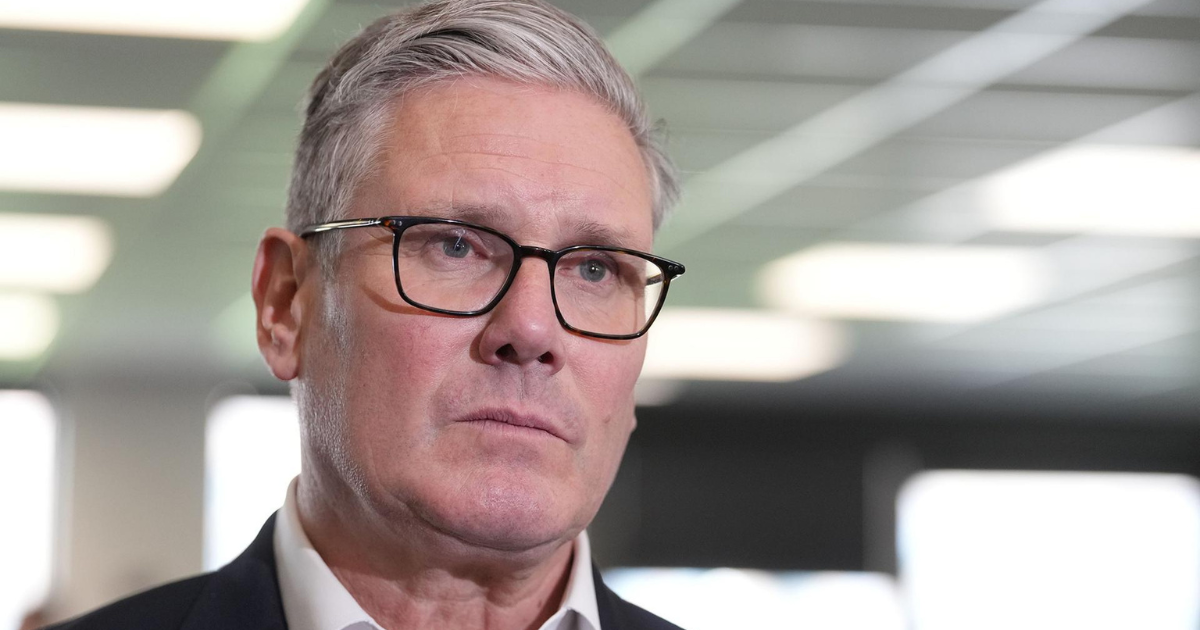
British Prime Minister Keir Starmer is getting hit with intense scrutiny and a kind of steady pressure to step down , after sharp losses in local and regional elections. Even with a rebellion that seems to be growing inside his own party and the resignation of a few junior ministers, Starmer is staying defiant, telling everyone he’ll keep hold of power and push on with his government’s agenda.
At a tense weekly Cabinet session, the Prime Minister admitted the election results were brutal , but he also said that the country is expecting the administration to focus on governing. Still, the political wobble is already showing costs, because financial markets are reacting poorly and the price of government borrowing has started climbing, again.
Rising Rebellion and Ministerial Resignations
The internal crisis got worse on Tuesday, when a few junior ministers stepped down, in protest. Miatta Fahnbulleh, handling housing and communities, was the first to resign, she said for Starmer to put a clear timeline in place for his exit. She was then quickly followed by safeguarding minister Jess Phillips, who argued that the government is not delivering the big shifts that are needed, for the country to move forward.
Right now, about 90 Labour Party lawmakers , which is more than a fifth of the parliamentary group, have come out publicly saying Starmer should step aside. The rising disagreement has also led to comparisons with the wave of resignations that eventually pushed Boris Johnson out of office back in 2022.
Even so, despite the large number of dissatisfied MPs, a formal leadership contest has not actually started yet. Under party rules, at least 81 members of the House of Commons must come together behind one challenger to launch the process, and so far no person has put themselves forward.
Political Fallout and Potential Successors
The election losses seem to come from policy stumble ups, a economy that is still not really cooperating , and some eyebrow raising appointments like putting Peter Mandelson on as the UK ambassador to Washington. So in practice, Labour sort of lost traction to both Reform UK on the right and the Green Party on the left, showing a political landscape that is quickly breaking into smaller bits.
Meanwhile, economic anxiety is basically piling on the whole political drama. The recent swings and instability have triggered a lift in interest rates for British government bonds, and these are watched closely by HM Treasury , which is kind of a hint that investors are uneasy about the UK leadership and its fiscal staying power.
Even with all this mess, senior Cabinet members who have been moving out of the Prime Minister’s Office at 10 Downing Street said they still back Starmer, urging coworkers to ease off and not get stuck in party squabbles, since that sort of fight only helps the political opponents.
At the same time, chatter about a possible successor is growing. Focus has been landing on people like Health Secretary Wes Streeting, he runs the Department of Health and Social Care, and he recently sidestepped questions about whether he wants the top job. Other rumoured contenders include former Deputy Prime Minister Angela Rayner and Greater Manchester Mayor Andy Burnham, though Burnham would first need to win a seat in Parliament before he could even try to join the race.