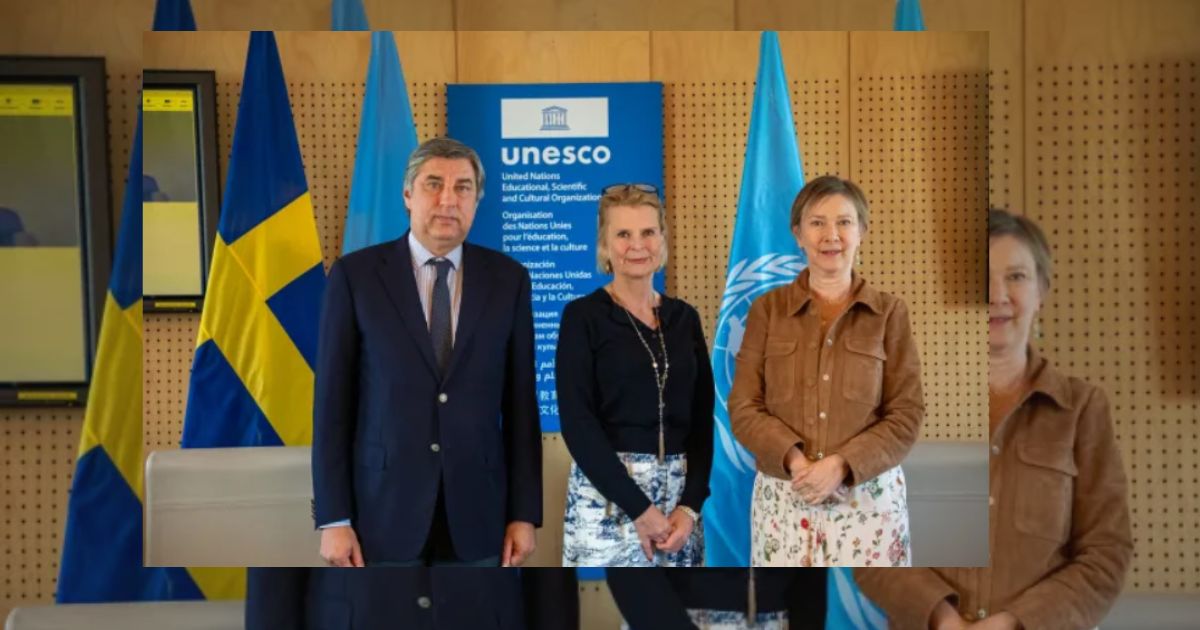
With the Swedish Ministry of Culture, up to the sum of SEK 12 million (approximately USD 1.3 million), the UNESCO-led emergency cultural heritage will intervene in the Khortytsia National Reserve in southeastern Ukraine, enhancing efforts to conserve sites and collections impacted by the situation of the ongoing war and against the background of the invasion of Ukraine by the Russian Federation.
The project is devoted to the conservation of the cultural property at Khortytsia, which is one of the main natural and historical places in Zaporizhzhia oblast, situated on the river Dnipro. The reserve has experienced mounting pressures on the basis of the ongoing hostilities and the overall environmental impact of the war, including the 2023 destruction of the Kakhovka Hydroelectric Power Plant, which revealed previously submerged archaeological remains and increased the risk to vulnerable heritage.
The subsequent decrease of water level in the reservoir system not only disclosed archaeological deposits previously concealed underwater, but also destabilised the riverbank, accelerating the erosion of the cultural remains that had recently become exposed.
Urgent repairs are emergency measures to the Khortytsia Reserve Museum, which has been damaged due to numerous strikes in the area. The restoration efforts will restore the museum to a stable conservation environment over about 3,000 square metres, including storage and the reopening of the museum to the public.
The project will also increase storage space with climate control for over 5,000 rescued artefacts. This is in reaction to the increasing amount of archaeological evidence being found at newly revealed riverbank locations, which face the threat of erosion, looting and degradation.
UNESCO-funded teams will intensify archaeological rescue operations and recording, as well as the creation of a standardised digital registry of damaged sites to inform future conservation and stabilisation. These efforts will be supplemented with environmental monitoring of Khortytsia Island that will measure biodiversity, water quality and soil stability.
Capacity building is highly emphasised, and the young Ukrainian professionals in the field of archaeology and conservation are trained and apprenticed, which is designed in collaboration with the national universities. By collaborating with the Vasa Museum of Sweden, further knowledge in the field of underwater archaeology and the conservation of waterlogged cultural material will be enhanced through training and the sharing of knowledge.
Although they are framed in the 1954 Hague Convention and the 1970 Conventions on the Means of Prohibiting and Preventing the Illicit Importation and Exportation of Cultural Property and the Means of Preventing the Illicit Importation and Exportation of Cultural Property, the proposed actions resemble the concepts of the UNESCO 2005 Convention on the Protection and Promotion The method is also in line with the 2015 Museum Recommendation that highlights a full spectrum of measures to conserve heritage, such as documentation, risk management, preventive conservation, security, restoration, and integrity in storage as well as in the display.