The European Union intends to restart its political, economic, and security relations with Syria according to an internal document that was recently distributed to staff. The government established a new diplomatic approach after maintaining suspended diplomatic relations with the country for 14 years because of its extended civil war.
The background paper, drafted by the bloc’s diplomatic arm, outlines plans to fully reinstate the historic 1978 EU-Syria cooperation agreement. The official High-Level Political Dialogue with Syria’s transitional authorities will begin on May 11 as its first major step.
Political Dialogue and Economic Revival
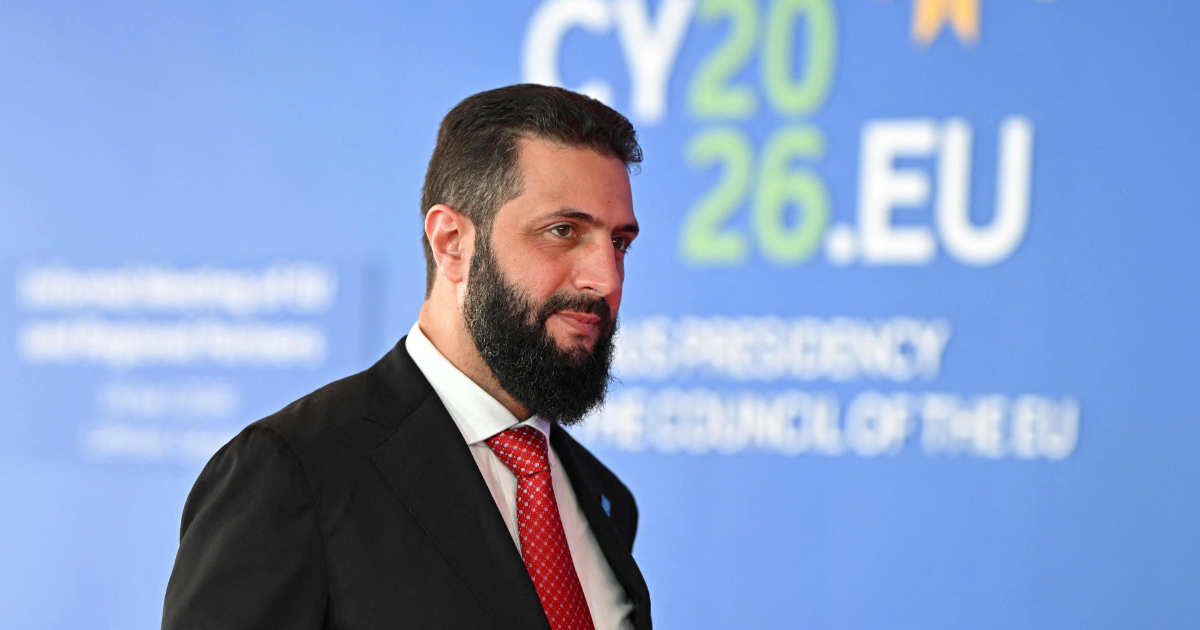
Syria is working to reconnect with the international community after the November 2024 alliance of interim President Ahmed al-Sharaa and his coalition which ousted Bashar al-Assad. The European Union plans to revise its current sanctions system through a process that will create a new approach for handling existing restrictions. The diplomatic adjustment procedure will maintain its existing power while targeting individuals who threaten to derail the political transition process.
The leaked document also highlights major plans to stimulate Syria’s struggling economy. The European Commission and allied institutions will help establish a new framework for trade and investment. The EU will use private sector investment to build a technical assistance center which will help local businesses by providing support for their development and organizational changes.
The European Union provides strong support for the January agreement which Damascus made with the Kurdish-led authorities in northeastern Syria. The main agreement establishes procedures for local institutions to become part of the state system while granting additional rights to Syrian Kurdish citizens.
Security Cooperation and Refugee Repatriation
The safe and voluntary return of displaced citizens must occur with dignity because it serves as an essential element for restoring the bilateral relationship between both parties. Europe currently hosts over one million Syrian refugees and asylum seekers with roughly half of them residing in Germany. Since Assad’s removal, European nations and Damascus have focused on repatriation as their primary discussion topic.
The EU plans to provide security support through its security assistance program which will help maintain internal order that supports citizen resettlement efforts. The document proposes providing specialized training for the Syrian police force alongside institutional capacity-building for the interior ministry.
The new partnership between the two parties will focus on their joint security operations. The two parties will create a partnership to fight terrorism and to handle drug trafficking and organized crime activities that occur across borders.