Finance ministers from 11 countries have issued an urgent request for economic assistance which should be provided according to joint international efforts in order to support nations that have been severely affected by the ongoing Middle Eastern conflict. According to a joint statement released by the UK Government, the coalition is urging major global organizations to step in and stabilize vulnerable economies.
The ministers request that the International Monetary Fund (IMF) and World Bank establish emergency support programs which they will create specifically for countries facing urgent needs. The institutions must use their complete financial resources to develop solutions which will meet the requirements of different countries.
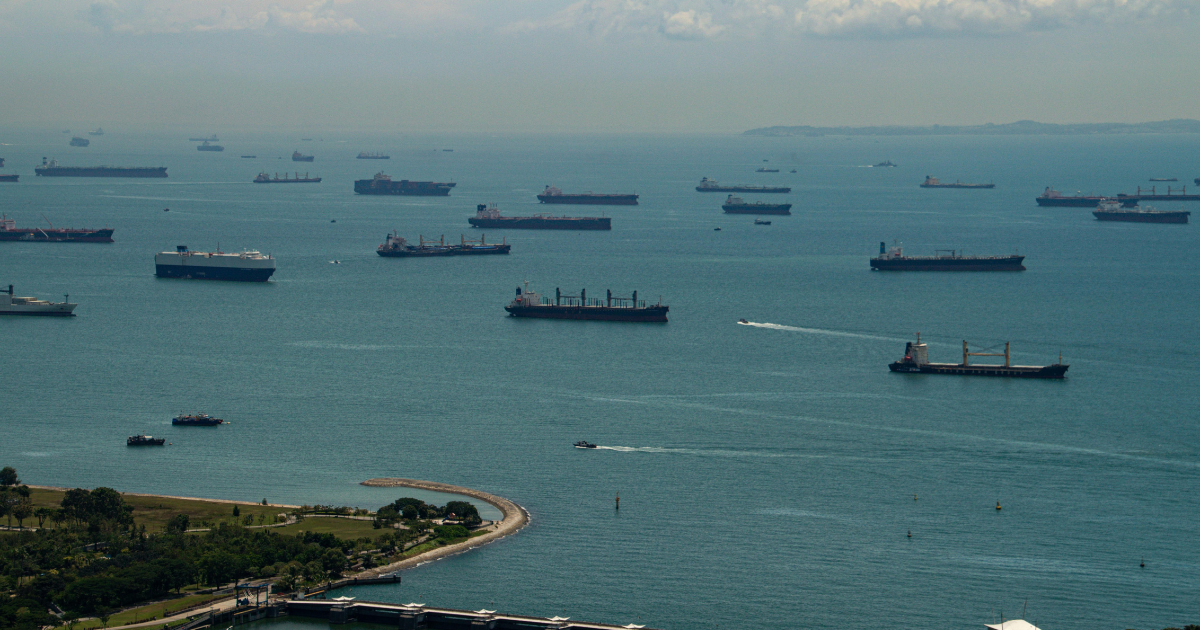
The coalition warned that escalating hostilities, a broader regional conflict, or continuous disruptions in the Strait of Hormuz could severely threaten global energy security, supply chains, and overall financial stability. The ministers also noted that even if a durable resolution to the conflict is reached soon, the negative impacts on market inflation and economic growth are expected to persist.
Sustaining Economic Pressure on Russia
The coalition maintained its complete support for Ukraine which extends beyond their Middle Eastern operations. The global economy suffers deep adverse effects from Russia’s ongoing war in Ukraine which has now reached its fifth year.
The representatives from participating nations which include the Ministry of Finance Japan and the Government of Australia declared their commitment to maintain economic sanctions against Moscow. The ministers established that Russia should not receive any advantages from the active hostilities which continue to occur.
The nations committed to work together on developing methods which will increase their economic pressure. They acknowledged that their operations will proceed according to existing market conditions which will help them prevent additional supply chain disruptions and energy price increases.
The complete list of countries that signed the agreement includes Australia, Finland, Ireland, Japan, the Netherlands, New Zealand, Norway, Poland, Spain, Sweden, and the United Kingdom.