The Reserve Bank of India announced to the public that India experiences a unique economic condition which combines high growth rates and low inflation rates. The country achieved its strongest economic performance because its fundamental economic indicators showed extremely high value.
The initial strong expectation has now turned into an annoying temporary situation. The Middle East conflict continues to escalate while the world faces major interruptions in energy transportation which have created an unanticipated massive impact on India’s overall economic development. The Indian economy shows deep weaknesses because crude oil prices continue to stay above $100 per barrel which creates economic turmoil.
Currency Pressures and Inflationary Risks
The foreign exchange markets demonstrate the most apparent effects from this geopolitical crisis. The Indian currency has suffered extreme losses which reached record low values when it lost almost 10 percent of its value against the US dollar during the last twelve months. The Indian economy needs to import 90 percent of its total crude oil consumption which makes the currency depreciation more expensive for the country because it raises the cost of energy imports.
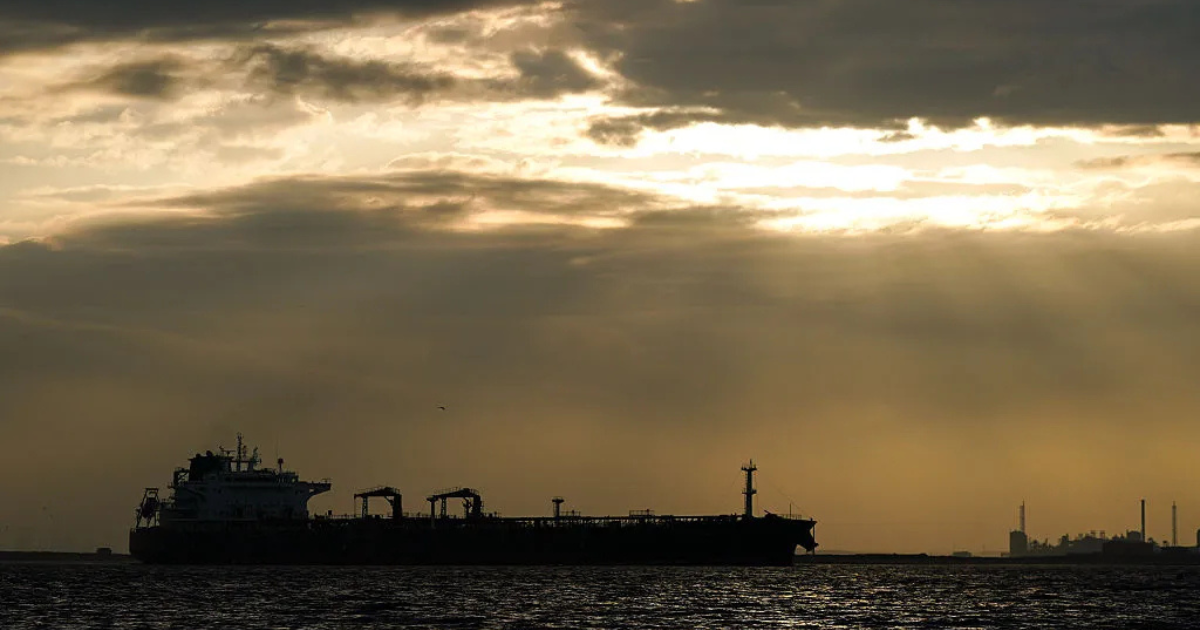
The International Energy Agency and other global energy monitoring organizations have reported multiple times about the major supply problems which resulted from the effective closure of the Strait of Hormuz. The Indian economy faces increasing production costs which affect both its domestic producers and its manufacturing sector. The Ministry of Petroleum and Natural Gas must now deal with complicated transportation challenges because shipping costs and insurance rates keep rising. Economists predict that high oil prices will cause retail inflation to increase rapidly after several months because this will decrease consumer buying power and create financial difficulties for households throughout the nation.
Government Interventions to Cushion the Blow
The Government of India currently implements its crisis-management system which it previously used during the COVID-19 pandemic to establish economic recovery strategies that it needs to solve current economic challenges. The officials of the government system terminal handle escalations because multiple factors create vulnerabilities which will increase the national fiscal deficit while reducing essential private sector funding. The international financial institutions have started to decrease their GDP growth predictions for the current fiscal year about the country’s economic performance.
The federal government has developed specific financial protection measures which will help American citizens during the current inflation crisis. The Ministry of Finance has used strategic excise duty cuts to establish price stability for essential transport fuels which include petrol and diesel because the ministry needs to protect the public from international financial impacts. The state uses its large financial resources to deliver immediate assistance to the civilian population but this decision creates major budgetary difficulties for the government. The federal government must handle an extremely difficult situation which requires it to maintain national economic stability while observing the unpredictable patterns of the Middle East conflict.