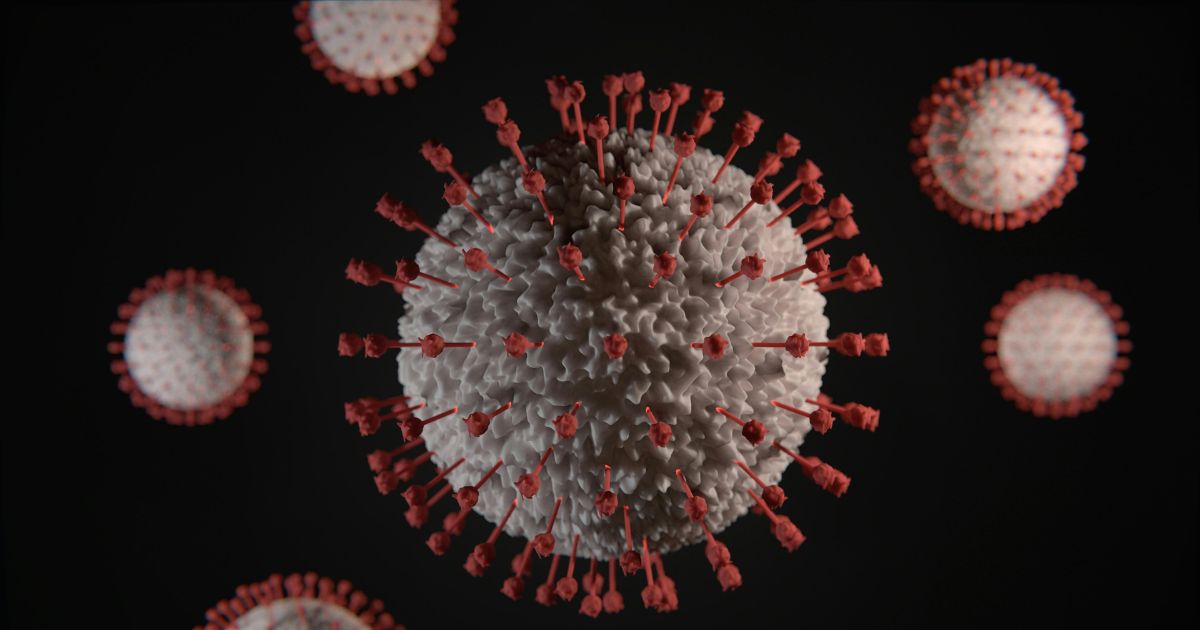
A new COVID-19 subvariant, dubbed BA.3.2 and dubbed the Cicada variant, has emerged, posing a new health risk, particularly in children. The Cicada strain, having over 70-75 mutations in the spike protein gene, is posing a health hazard, which must be taken care of. According to a report, the strain has been detected in 23 nations around the world, while it has been found in 25 US states in their wastewater by the US Centres for Disease Control and Prevention, but it could be even more since the testing has decreased. It was initially observed in a respiratory sample taken on November 22, 2024, in South Africa. Thus, the real cases of infections can be more than those that are registered.
Although the protein spikes have been mutated, the World Health Organisation, the Ministry of Health and Family Welfare (MoHFW), and ICMR (India) declare that there is no threat to the population in the short term. However, the variant might be dangerous to children because it is capable of getting through the antibodies developed by the vaccine given earlier. Thus, individuals need to refresh, have a booster, and continue the overall health advisory measures, including hand washing, keeping hygiene by washing hands, and wearing a mask in the community.
Adults have a developed immune system that can be reinforced by the timely intake of the given vaccine; however, one should pay special attention to children since the new subvariant is known to infect children five times more often than adults. The reason is that children with an underdeveloped immune system, as well as the at-risk immunocompromised population, should also be careful when going out into the world.
Why are children more vulnerable?
When it comes to existing research, reviews, and studies, such as Plos One, indicate that the SARS-CoV-2 infection affects children and adolescents more than adults, as their immune systems haven’t been fully developed. Similarly, the case is with the new subvariant that has a mutation in its protein spikes, about 70 plus more mutations, which has escaped the current antibodies created by the vaccine administered.
Childhood immune systems vary significantly, with children being hardly able to realise how serious the disease is. Also, they are much more exposed to the outside world because they play outside, attend school and are not as aware of where they are touching.
The coverage of the precautionary dose of booster against the kids is also low, as the data is self-reported, and the initial two doses were given within a certain time interval. That is the reason why the vulnerability of children should be given particular attention by parents, guardians, paediatricians and authorities. But presently, the data according to the latest cumulative data of the Press Information Bureau (PIB) and the MoHFW Dashboard indicate the following figures are registered by children aged 12-14:
- First Dose: 33,011,876
- Second Dose Precautions (Booster Dose): 14,474,859
Although the total population of children aged between 3 and 15 years is more than 25 crore (250 million) in 2026, according to the census of India data. Therefore, the majority of the Indian population is possibly at risk, and parents and guardians, paediatricians, and authorities should strive to prevent the disease in this population.
Records of a third dose among the group 12-14 are not currently separated into specific public press releases, but can be followed through individual health IDs through the Immunisation platform COWIN.
Signs To Notice
In the case of the new subvariant, the signs of infection are similar and should be taken seriously in case they are noticed in children. The infection symptoms may be as follows:
- Cough
- Sore throat
- Congestion
- Shortness of breath
- Congestion of taste and smell.
- Vomiting
- Nausea
While these symptoms don’t cause severe illness, if they occur after international travel or persist, you need to get your child tested.
Tips To Safeguard Children
As the new subvariant tends to spread faster in crowded indoor settings, people need to follow the following tips to safeguard the children:
- Not only does it prevent infection, but the overall prevalence of the common cough and cold is also lower when you mask up. It is now essential to mask in crowded indoor places.
- Washing of hands and surfaces plays a central role in overcoming the transmission of this virus; you must maintain cleanliness around.
- Priority should be to check vaccination updates and eligibility for the booster, and get your child the booster dose in case it is missed, to strengthen their immunity.
Awareness at the school level is essential because children have to approach the possibility of the virus spreading seriously, and ventilation is required because the infections can become widespread in the non-ventilated areas.
What Parents Need to Know
Parents, guardians and caretakers of children should be aware of the precise schedule at which they should seek assistance to avoid their child being afflicted with the infection. Although there are no reports of any hospitalisations because of the new subvariant as of April 6th, 2026, people should be on the alert and be vigilant.
When the symptoms occur in children, and there is a mixture of symptoms, seek medical assistance, and the severity of the symptoms is important to treat the patient.
Symptoms can be managed using home care; however, in the case of a possible actual infection due to travel, and the severity is minimal, it is always preferable to refer to a medical professional who would be in a better position to advise the parents when the children require hospital care to manage the symptoms.
The panic that comes with the Covid virus needs to be addressed using mental health and reassurance. You need to keep yourself and your children safe from the infection and its fallout by keeping the medical protocol of vaccination up to date and keeping track of the spread of the disease.
You need vigilance, not panic, as panic clouds logical judgement clouded. The community-level prevention initiatives must be implemented in advance to ensure that the children are safe. It is now reported to have no cases, and WHO is closely watching it.