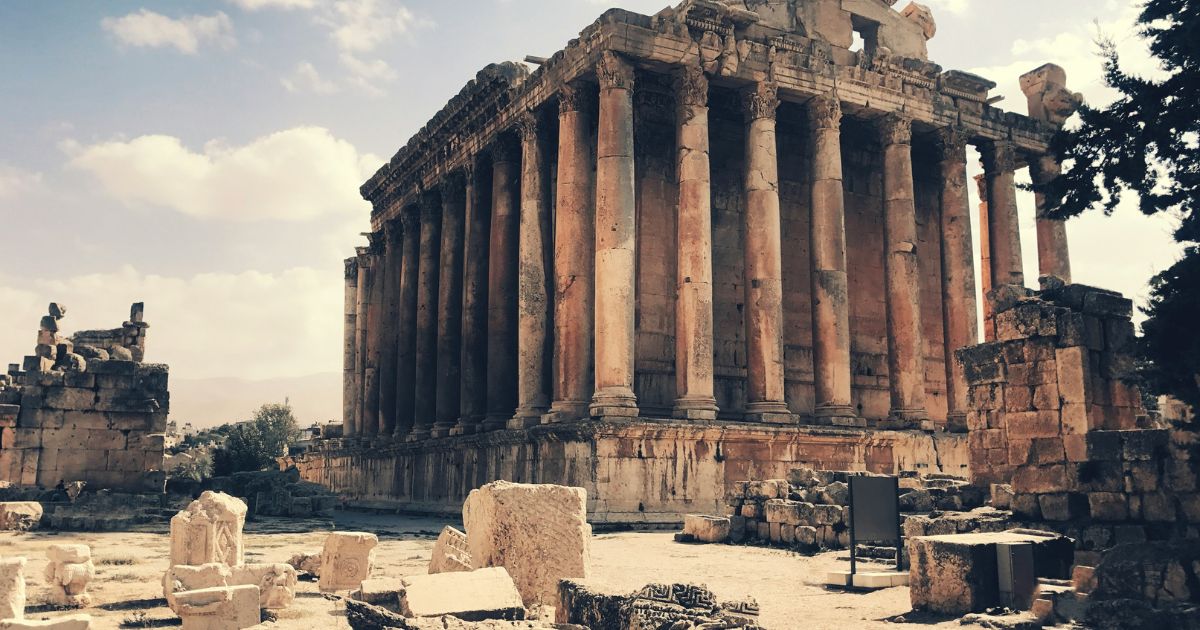
On 1st April, at the request of Lebanon, UNESCO held an extraordinary meeting to further protect the cultural heritage in the country. The meeting – an extraordinary session of the Committee for the Protection of Cultural Property in the Event of Armed Conflict – led to granting provisional enhanced protection to 39 cultural properties as well as the provision of international financial assistance, totalling over 100,000USD for emergency operations on the ground.
All these 39 cultural properties are now afforded the greatest protection by law against attack and military exploitation. Any failure to comply with these clauses would amount to gross breaches of the 1954 Hague Convention and its 1999 Second Protocol, and would form possible criminal responsibility grounds.
The locations that are to be put under increased protection will be given the technical and financial support of UNESCO to strengthen their legal framework, enhance the risk anticipation and management strategies and offer additional training to cultural specialists and military forces in this region. Increased security also serves to send a message to the whole global community of the dire need to conserve these facilities.
This emergency project goes hand in hand with the steps taken by UNESCO in recent weeks to safeguard cultural heritage in the affected countries in the Middle East. Ever since the hostilities began, UNESCO has been collaborating with the Ministry of Culture and the Directorate General of Antiquities in Lebanon to initiate the safe deposit of archaeological collections and museums.
In collaboration with UNITAR/UNOSAT, the United Nations Satellite Centre, and UNESCO, the United Nations Educational, Scientific, and Cultural Organisation is also performing satellite monitoring of historical and heritage sites to determine their condition of conservation and any harm that they have suffered. UNESCO has so far succeeded in verifying damages in the city of Tyre in Lebanon, which had been included in the list of World Heritage Sites in 1984, among other properties in the adjacent countries.
UNESCO is prepared to share more expertise or support and make all the concerned parties aware of their responsibilities to safeguard cultural and natural heritage even in the case of armed conflict.