The Middle East conflict is in its 32nd day on 31st March, with new military threats and new attacks all over the region and increasing concerns about the world’s energy supplies. The situation continued to get worse when Iran allegedly threatened the US technology firms, and the Kuwaiti oil tanker was attacked off Dubai in what the Kuwaiti authorities termed an Iranian drone attack.
US President Donald Trump threatened to attack the electric plants and oil wells of Iran in the event of no accord to stop the war, and if the Strait of Hormuz is closed. Meanwhile, Israeli Prime Minister Benjamin Netanyahu declared that he was not going to commit to a schedule for ending the conflict.
Overnight, there were reported new attacks in Iran, Lebanon and Israel, which highlights the increasing instability in the region. Traffic across the Strait of Hormuz is considerably less than before the war, and the world markets are on edge.
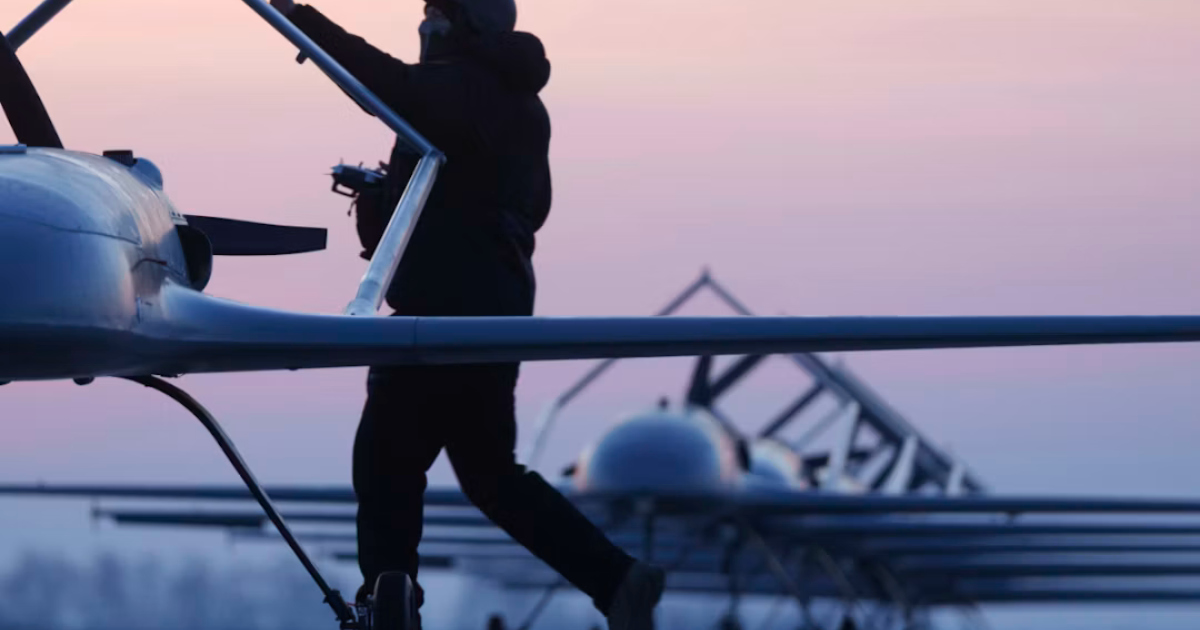
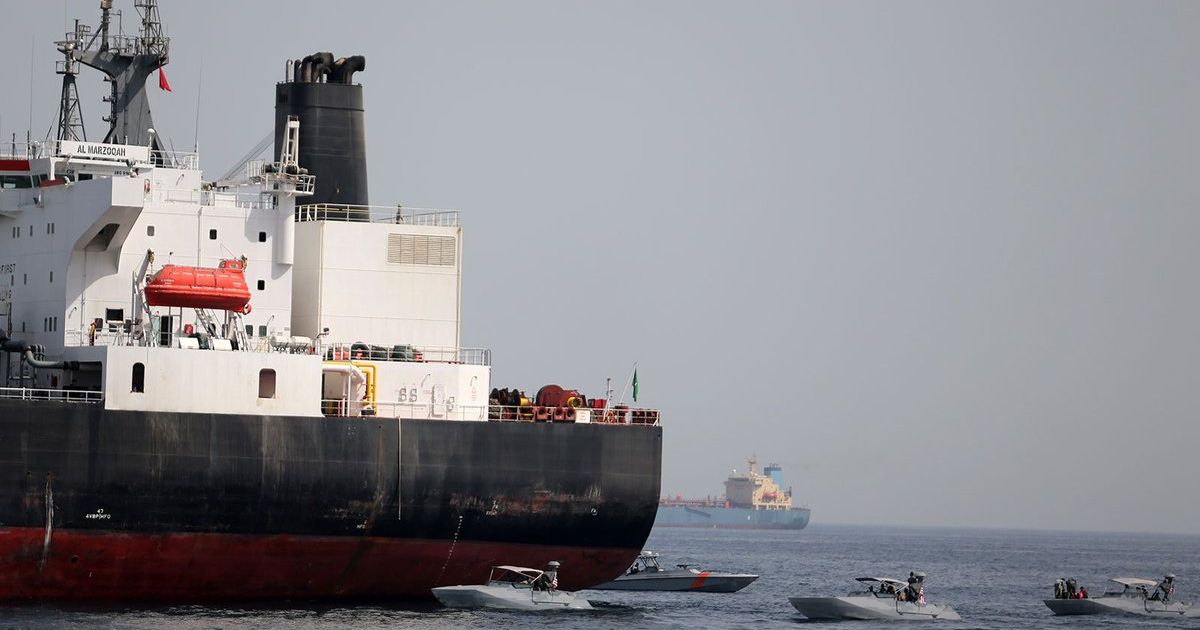
The largest Kuwaiti oil tanker, the fully loaded Al Salmi, was hit in the UAE waters in Dubai Port in one of the most alarming incidents. The Kuwaiti officials accused an Iranian drone of the assault. The emergency teams in Sharjah reacted promptly, and the authorities said that no one had been injured.
It was the assault, as energy infrastructure is becoming one of the primary targets in the conflict. The average gasoline prices in the United States rose above 4 per gallon for the first time since 2022, according to AAA. Analysts associate the surge with the worries about interrupted oil supply following the successful blockading of the Strait of Hormuz by Iran, a vital passage for the global crude oil shipments.
Oil prices were unstable. On Monday, US benchmark WTI crude topped 100 per barrel for the first time since July of last year, but on Tuesday, overall prices were flat as there were mixed signals on whether diplomatic negotiations would soften tensions.
The White House indicated that diplomacy is the way the administration would prefer to go, despite the stern warnings given by Trump. Defence Secretary Pete Hegseth said that the US is still working towards negotiating a deal with Tehran, but the “main initiative” is to seek one, despite the fact that the officials provided little information on who is currently involved in the discussions.
Iran, meanwhile, toned things very differently. An Iranian spokesman rejected the demands of Washington as being “mostly excessive, unrealistic and unreasonable and denied” that there were any negotiations with the US underway.
In other places, Iranian media stated that one of the major desalination plants in Qeshm Island had been brought to a standstill after an airstrike, and this posed humanitarian issues in a region where desalinated water is very important.
In Lebanon, Israel has renewed its intention to retain control of sections of southern Lebanon once the ongoing operation is completed. Israeli Defence Minister Israel Katz indicated that restrictions would not be lifted until the security of northern Israel is assured, meaning that they could still conduct military activities along the border even when the wider conflict has de-escalated.
As the war continues, there are increasing concerns that the crisis can be extended far beyond the battlefield with attacks on energy routes, water infrastructure and shipping lanes.