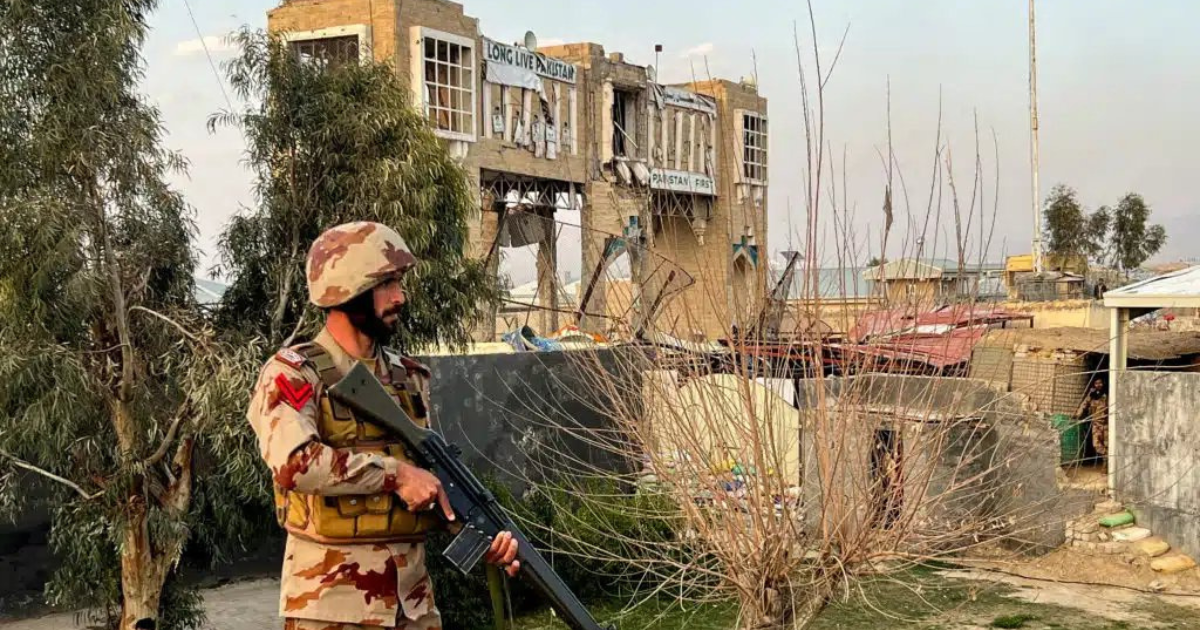
Pakistan has officially announced that the military operations against Afghanistan have resumed. This is following the end of a temporary truce that was called during the Islamic festival of Eid-al-Fitr. On Thursday, the Islamabad spokesperson declared the continuation of these military activities, which is a drastic escalation of the situation between the neighboring countries. The nations have quickly changed into bitter rivals, fuelled by the escalating border conflicts and entrenched security fears that are jeopardizing the stability in the region.
Escalating Border Tensions and Airstrike Controversies
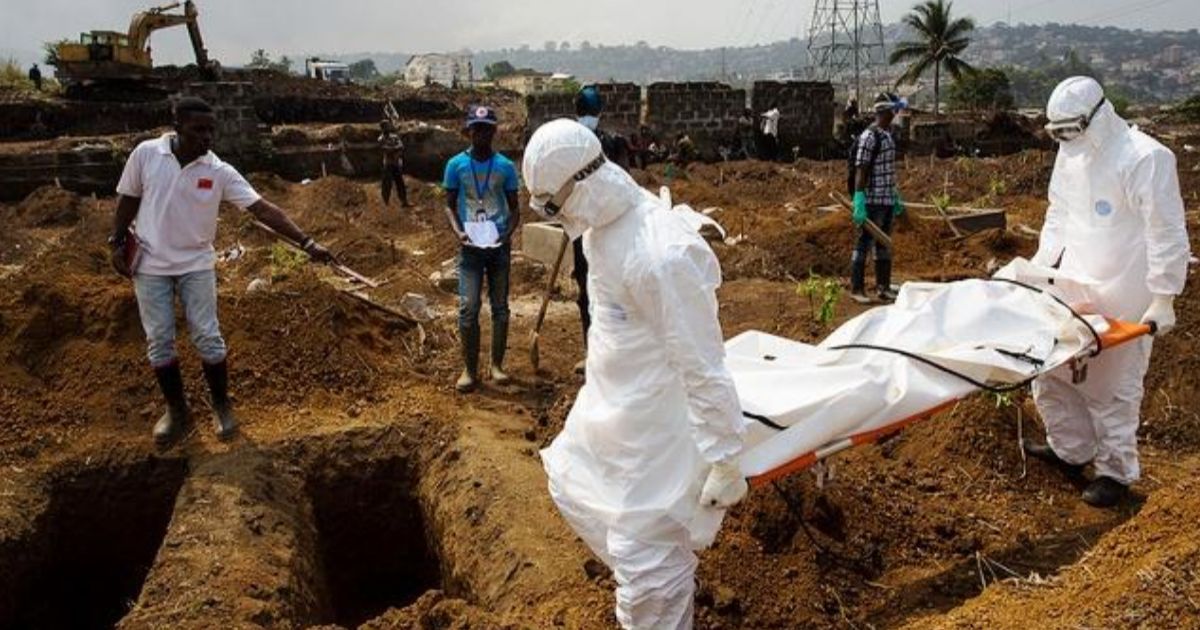
The recent wave of enmities broke out last month, which entailed massively armed conflicts in the hot spots along the border. The situation was brought to the boiling point after a very controversial Pakistani airstrike carried out within the territory of Afghanistan. As Kabul puts it, this bombing targeted a civilian drug rehabilitation facility in the capital of Afghanistan, killing over 400 people in the tragic attack. This mass massacre appalled the world community and there was an immediate demand to intervene diplomatically by the international organizations such as the United Nations Security Council.
Nevertheless, the Government of Pakistan vehemently refuted the Taliban version on the target and reported deaths. The Pakistani officials insist that the cross-border operation was a precision strike that was purely on intelligence basis. The Islamabad reports that the airstrikes were effective in destroying military installations and terrorist support infrastructures that were hosting militant groups. Pictures of the war zones such as the Taliban fighters on the anti-aircraft weapons, show the high level of military concentration and recurring fire exchanges between the combatants before the short holiday break.
The Breakdown of Regional Diplomacy and Security
The worsening of the bilateral relations is a sign of escalating a security crisis in South Asia. Although a temporary ceasefire was successfully applied during the Eid-al-Fitr, which gave a slight rest to the civilians who were involved in the crossfire, the diplomatic ties have been unable to reach a durable peace deal. Pakistan Ministry of Defence has remained focused on offensive national security activities with the declaration that cross-border militant threats neutralization is a non-negotiable goal. This tougher approach implies long-term military confrontations are quite possible in the nearest weeks.
The current violence has become a complex problem to the stability of the region, and it has seriously deteriorated the pathetic humanitarian conditions. The presence of organizations under the United Nations in Afghanistan has repeatedly expressed the devastating impact of armed conflicts on the vulnerable population. As the situation returns to normal, the world is still highly concerned with the further growth of violence, the possibility of a larger regional conflict and a disastrous humanitarian crisis because neither party is ready to back down.