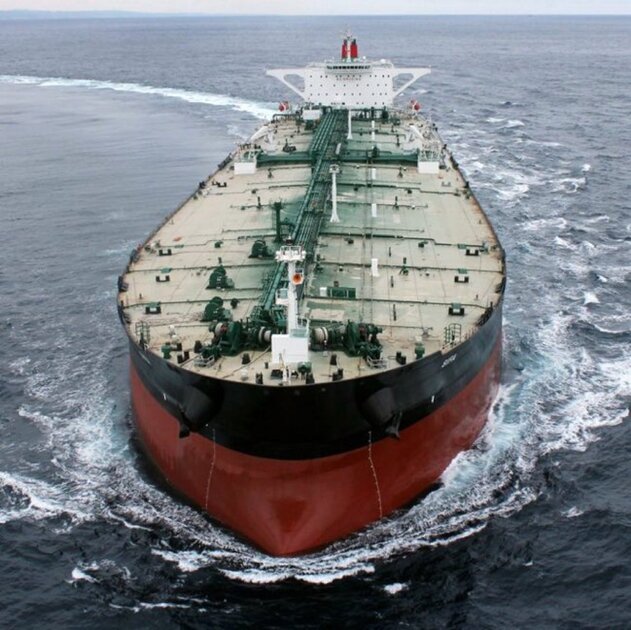
The United States Department of Defense and Israel continue to fight their military conflict while Iran increased its daily oil exports to 1.5 million barrels. The semi-official Tasnim News Agency reported that during Ramadan export volumes exceeded 1.5 million barrels which resulted in total sales increasing by 50 percent when compared to earlier sales figures.
The news agency reported that Iran has successfully increased its crude oil sales by selling larger amounts at prices which match international market rates. The nation has generated higher oil revenues through its strategic pricing methods which provided financial stability to the country during periods of political unrest. The unexpected increase in Iranian exports happened during a time when global energy markets experienced extreme price fluctuations which resulted from the ongoing war and Tehran’s decision to impose strict navigation controls in the Strait of Hormuz.
Market Volatility and the Strait of Hormuz Crisis
The Strait of Hormuz operates as a critical maritime shipping route which enables energy products to move between countries throughout the world. This essential chokepoint handles daily oil shipments which total approximately 20 million barrels of oil under normal operating conditions. Iran’s recent restrictions have created major obstacles for shipping operations which resulted in dramatic increases for both shipping costs and insurance charges. The issues with logistics have reached consumers who must now deal with higher oil prices and rising inflation which affects economies throughout the entire world.
The financial analysts believe that Iran generated excess revenues of several hundred million dollars since the war began. The company succeeded in utilizing increased crude prices which emerged from the restricted access that other exporters face regarding the heavily monitored strait. Investors and market analysts demonstrate their deepening worries about the increasing uncertainty which now affects worldwide financial systems.
Escalating Risks to Global Energy Infrastructure
Energy facilities across the Gulf countries and Iran are currently operating under a constant, looming threat of attack. Investors are particularly anxious about the potential for Iranian energy infrastructure to be directly targeted by United States Armed Forces or Israeli military strikes. The situation would develop into a major economic disruption which would bring about extreme environmental damage throughout the whole region.
The ongoing cycle of attacks and retaliations involving the U.S. Israel and Iran has been continuous since late February which created extreme sustained pressure on international energy markets. The United Nations and other international observers continue to track the growing humanitarian and economic impacts of the conflict as it continues. The International Energy Agency has issued multiple alerts about the risk that geopolitical tensions create which could lead to global economic decline through additional regional infrastructure disruptions.