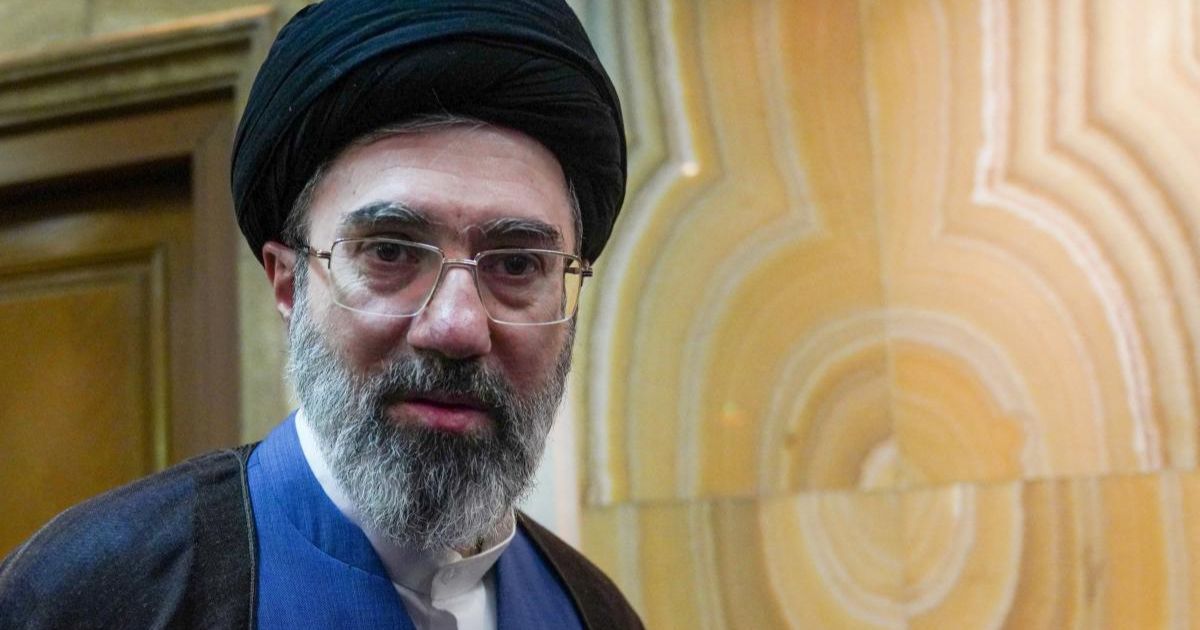
The new Supreme Leader of Iran, Mojtaba Khamenei, who was just appointed, was lightly wounded, but still functioning, an Iranian official told Reuters on 11th March after the state television referred to him as war-wounded.
Since his choice was made on Sunday by a clerical assembly and he has not been seen by Iranians or made a public statement or message, it is widely rumoured that Khamenei was wounded in the Israeli /U.S. attacks.
Regarded as a hardliner who was close to the Islamic Revolutionary Guards Corps, Khamenei was the prime candidate to replace his father, Ayatollah Ali Khamenei, who was assassinated in the first wave of attacks on February 28.
The official omitted the information on when Khamenei was injured and why he had not made any statement to the people since his appointment.
The initial airstrikes on the war were to kill the Iranian leadership, and in addition to his father, they killed the mother of Khamenei, his sister and his wife, according to state television.
“Today, the heir of the blood of his martyred father, his martyred mother, his martyred sister and his martyred wife is His Eminence Ayatollah Seyyed Mojtaba Khamenei,” and this was read out in state television, using all his titles and honorifics of Ayatollah.
The anchor continued, “He is a janbaz of the Ramadan War, then he was the heir of the proud and steady martyrs of this land, and the term Iranian authorities have given the ongoing conflict since it is occurring during the fasting month of Islam.”
The intelligence evaluation of Israel is that Khamenei is not dead but was lightly wounded; this is why he has not been visible in the streets, according to a senior Israeli authority to Reuters.
The new supreme leader was propelled with the help of the Revolutionary Guards, who have been extremely supportive, according to the sources, Reuters.
The father of the office of his father, which was called in Persian the beyt, has been directly involved in the management of the Iranian ֵ state over the years. Yet, he is hardly familiar to common Iranians who have already made little to no public speeches or other appearances.